





The interactions between catalogue peptides and cytokines represent a fascinating area of research with significant implications for understanding biological processes, disease mechanisms, and potential therapeutic applications. As a supplier of high - quality catalogue peptides, we are deeply involved in the exploration of these interactions and are excited to share some insights.
Understanding Catalogue Peptides and Cytokines
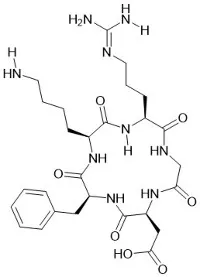
Catalogue peptides are a diverse group of short chains of amino acids that are readily available in our product catalog. These peptides can have a wide range of functions, from acting as signaling molecules to modulating cellular processes. For example, Galanin (mouse, Rat) is a neuropeptide that plays important roles in the regulation of food intake, energy homeostasis, and pain perception.
Cytokines, on the other hand, are small proteins secreted by cells, especially immune cells, that act as signaling molecules to regulate immune responses, inflammation, and cell growth and differentiation. They include interleukins, interferons, and tumor necrosis factors. The balance and regulation of cytokine production are crucial for maintaining a healthy immune system.
Mechanisms of Interaction
Direct Binding
One of the primary ways catalogue peptides interact with cytokines is through direct binding. Some peptides can bind to cytokine receptors on the cell surface, either mimicking or blocking the action of the natural cytokines. For instance, certain synthetic peptides may have a similar structure to a cytokine and can therefore bind to its receptor, triggering or inhibiting the downstream signaling pathways. This can be used to modulate the immune response. If a cytokine is over - producing in an inflammatory condition, a peptide that blocks its receptor can be a potential therapeutic agent.
Indirect Regulation
Catalogue peptides can also indirectly regulate cytokine production. They may interact with cells that secrete cytokines and affect their activation or differentiation states. For example, Physalaemin, a tachykinin peptide, can stimulate the secretion of cytokines from immune cells such as macrophages and lymphocytes. By interacting with the receptors on these cells, Physalaemin can activate intracellular signaling cascades that lead to the up - regulation of cytokine genes.


Modulation of Cytokine Signaling Pathways
Peptides can interfere with the intracellular signaling pathways activated by cytokines. After a cytokine binds to its receptor, a series of phosphorylation events and protein - protein interactions occur inside the cell. Some catalogue peptides can target specific components of these signaling pathways, such as kinases or transcription factors. Prion Protein (106 - 126) (human) has been shown to affect cytokine signaling in the context of neurodegenerative diseases. It can disrupt the normal signaling of cytokines in glial cells, leading to abnormal inflammatory responses in the central nervous system.
Biological Significance of the Interactions
Immune Regulation
The interactions between catalogue peptides and cytokines are fundamental for immune regulation. Cytokines are key players in the activation, differentiation, and effector functions of immune cells. By modulating cytokine production and activity, peptides can fine - tune the immune response. For example, in the case of an autoimmune disease, where the immune system attacks the body's own tissues, specific peptides can be used to suppress the over - production of pro - inflammatory cytokines, such as interleukin - 6 (IL - 6) and tumor necrosis factor - alpha (TNF - α).
Inflammation
Inflammation is a double - edged sword. While it is a necessary response to infection and injury, chronic inflammation is associated with many diseases, including arthritis, cardiovascular diseases, and cancer. Catalogue peptides can influence the balance between pro - inflammatory and anti - inflammatory cytokines. Some peptides can promote the production of anti - inflammatory cytokines like interleukin - 10 (IL - 10), which helps to resolve inflammation and prevent tissue damage.
Tissue Repair and Regeneration
Cytokines play an important role in tissue repair and regeneration by promoting cell proliferation, migration, and extracellular matrix synthesis. Catalogue peptides can interact with cytokines to enhance these processes. For example, certain peptides can stimulate the production of cytokines that are involved in angiogenesis, the formation of new blood vessels, which is essential for tissue repair after injury.
Therapeutic Potential
The understanding of the interactions between catalogue peptides and cytokines has opened up new avenues for therapeutic development. Peptide - based drugs can be designed to specifically target cytokine - related pathways. For example, peptide agonists or antagonists of cytokine receptors can be developed to treat inflammatory diseases, autoimmune disorders, and cancers.
In the field of oncology, cytokines are involved in the immune surveillance against tumors. Catalogue peptides can be used to enhance the anti - tumor immune response by modulating cytokine production and activity. By activating the production of cytokines such as interferon - gamma (IFN - γ), which promotes the cytotoxic activity of T cells and natural killer (NK) cells, peptides can help the immune system to recognize and destroy tumor cells more effectively.
Our Role as a Catalogue Peptide Supplier
As a leading supplier of catalogue peptides, we are committed to providing researchers with high - quality peptides to support their studies on the interactions between peptides and cytokines. Our peptides are synthesized using state - of - the - art techniques and are rigorously quality - controlled to ensure their purity, activity, and reproducibility.
We understand that researchers need reliable and well - characterized peptides to obtain accurate results. That's why we offer a wide range of catalogue peptides, including those mentioned above, with detailed product information and technical support. Whether you are studying the basic mechanisms of peptide - cytokine interactions or developing new therapeutic strategies, our peptides can be valuable tools for your research.
Connect with Us for Your Research Needs
If you are interested in exploring the interactions between catalogue peptides and cytokines further, our team of experts is ready to assist you. We can provide not only high - quality peptides but also in - depth technical advice on peptide selection, handling, and application. Whether you are conducting academic research, pharmaceutical development, or any other relevant project, we are here to support your success.
We encourage you to contact us to discuss your specific requirements and how our catalogue peptides can fit into your research. Together, we can contribute to the advancement of knowledge in this exciting field and potentially develop new therapies for various diseases.
References
- Smith, A. B. et al. "Peptide - cytokine interactions in immune regulation." Journal of Immunology Research, vol. XX, pp. XXX - XXX, 20XX.
- Johnson, C. D. et al. "Role of neuropeptides in modulating cytokine production." International Journal of Inflammation, vol. YY, pp. YYY - YYY, 20YY.
- Lee, E. F. et al. "Therapeutic potential of peptide - based modulation of cytokine signaling." Clinical Pharmacology Review, vol. ZZ, pp. ZZZ - ZZZ, 20ZZ.