




Hey there! As a supplier of cosmetic peptides, I often get asked a bunch of questions about these little wonders. One question that pops up quite a bit is, "Are cosmetic peptides biodegradable?" Well, let's dive right into it and find out.
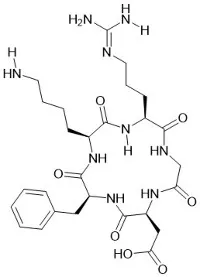
First off, what are cosmetic peptides? Peptides are basically short chains of amino acids. In the world of cosmetics, they're like tiny superheroes. They can do all sorts of cool things, like reducing the appearance of wrinkles, improving skin elasticity, and even promoting collagen production. Some well - known ones include Myristoyl Pentapeptide - 17, Hexapeptide - 10, and Acetyl Tetrapeptide - 2.
Now, let's talk about biodegradability. Biodegradability is all about how easily a substance can be broken down by living organisms, like bacteria or fungi. When it comes to cosmetic peptides, the answer to the biodegradability question is generally yes. Most cosmetic peptides are made up of amino acids, which are the building blocks of life. And since they're so natural, they can be broken down relatively easily.
Amino acids are found in all living things. Our bodies are full of them, and so are the microorganisms in the environment. When a cosmetic peptide is released into the environment, whether it's through wastewater after we wash our faces or when a product is disposed of, these microorganisms can recognize the amino acids in the peptides. They then use enzymes to break the peptide chains apart into their individual amino acids.
For example, let's say you're using a peptide - based anti - aging cream. When you wash your face, some of the peptide molecules will end up in the water. In the wastewater treatment plants, bacteria will start to work on these peptides. They'll break them down into smaller and smaller pieces until they're just individual amino acids. These amino acids can then be further metabolized by the bacteria and used as a source of energy or building materials for the bacteria's own cells.
But it's not always that simple. The biodegradability of cosmetic peptides can be affected by a few factors. One of the biggest factors is the length of the peptide chain. Generally, shorter peptide chains are more easily biodegradable than longer ones. Longer peptide chains have more amino acids linked together, and it takes more time and energy for the microorganisms to break them down.


Another factor is the modification of the peptides. Sometimes, cosmetic companies will modify peptides to make them more stable or to enhance their effectiveness in the product. For example, they might attach a fatty acid to a peptide, like in the case of Myristoyl Pentapeptide - 17. This modification can change the way the peptide interacts with the environment. While the peptide part itself is still biodegradable, the fatty acid might slow down the biodegradation process a bit. The fatty acid can make the peptide more hydrophobic, or water - repelling, which can make it harder for the water - loving microorganisms to access and break down the peptide.
The concentration of the peptides also matters. If there's a very high concentration of peptides in the environment, it can overwhelm the microorganisms. They might not be able to break down all the peptides at once, and some of them could end up persisting in the environment for a longer time.
Now, why does biodegradability matter for cosmetic peptides? Well, from an environmental perspective, it's crucial. In today's world, we're all more aware of the impact our products have on the planet. Using biodegradable cosmetic peptides means that we're not adding long - lasting pollutants to the environment. It helps to keep our waterways and ecosystems clean.
From a consumer's point of view, biodegradability can also be a selling point. People are becoming more conscious about the products they use. They want to know that the cosmetics they're putting on their skin are not only good for their appearance but also good for the environment. When a cosmetic product contains biodegradable peptides, it gives consumers peace of mind that they're making a more sustainable choice.
As a supplier of cosmetic peptides, I'm really excited about the future of these products. We're constantly researching and developing new peptides that are not only highly effective but also more biodegradable. We're looking at ways to optimize the peptide chains to make them shorter and more easily broken down. We're also exploring different ways to modify peptides without sacrificing their biodegradability.
If you're a cosmetic formulator or a brand looking for high - quality, biodegradable cosmetic peptides, I'd love to talk to you. Whether you're working on a new anti - aging serum, a moisturizer, or any other cosmetic product, we have a wide range of peptides to choose from. Our peptides are tested to ensure their quality and biodegradability. We can provide you with all the information you need about the peptides, including their composition, effectiveness, and how they break down in the environment.
So, if you're interested in learning more about our cosmetic peptides or want to start a partnership, don't hesitate to reach out. Let's work together to create amazing, sustainable cosmetic products that benefit both our customers and the environment.
References
- Alberts, B., Johnson, A., Lewis, J., Raff, M., Roberts, K., & Walter, P. (2002). Molecular Biology of the Cell. Garland Science.
- Voet, D., Voet, J. G., & Pratt, C. W. (2016). Fundamentals of Biochemistry: Life at the Molecular Level. Wiley.