




Hey there! As a supplier of cosmetic peptides, I often get asked about the side effects of using these little wonders in skincare. So, I thought I'd dive into this topic and share some insights with you.
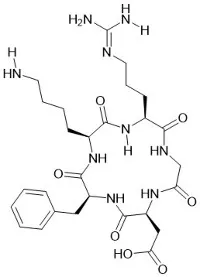
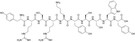
First off, let's understand what cosmetic peptides are. Peptides are short chains of amino acids, which are the building blocks of proteins. In the world of cosmetics, they play a crucial role in various skin - related functions. They can stimulate collagen production, reduce the appearance of wrinkles, improve skin elasticity, and even help with skin repair. Sounds great, right? But like any other skincare ingredient, there might be some potential side effects.
Allergic Reactions
One of the most common concerns with using cosmetic peptides is the possibility of an allergic reaction. Just like with any other skincare product, some people might be hypersensitive to certain peptides. Symptoms of an allergic reaction can range from mild to severe. Mild reactions may include redness, itching, or a slight rash on the skin. In more severe cases, there could be swelling, blistering, or even difficulty breathing. However, allergic reactions to peptides are relatively rare.
It's important to note that different peptides can have different allergenic potential. For example, some people might be allergic to Oligopeptide - 10. Oligopeptide - 10 is known for its ability to promote cell growth and repair. But if you have a sensitive skin type or a history of allergies, it's always a good idea to do a patch test before using a product containing this peptide. Apply a small amount of the product on a small area of your skin, like behind your ear or on your inner wrist, and wait for 24 - 48 hours. If you don't experience any adverse reactions, then it's probably safe to use on your face.
Skin Sensitivity
Even if you're not allergic to a peptide, you might still experience skin sensitivity. This can happen especially if you have very sensitive skin to begin with. Some peptides can cause a tingling or burning sensation when applied to the skin. This is usually a temporary reaction and may subside after a few minutes or days of use as your skin gets used to the product.
Acetyl Hexapeptide - 38 is a peptide that is often used to reduce muscle contractions and smooth out wrinkles. While it's generally well - tolerated, some users with sensitive skin might find it a bit too strong at first. If you experience skin sensitivity, you can try reducing the frequency of use or diluting the product with a gentle moisturizer.
Interaction with Other Ingredients
Another aspect to consider is the interaction of peptides with other ingredients in skincare products. Peptides are often formulated with other active ingredients like vitamins, acids, and antioxidants. Sometimes, these combinations can lead to unexpected side effects. For example, if a peptide is combined with a strong exfoliating acid, it might increase the skin's sensitivity and cause more irritation.
It's also important to be careful when using multiple peptide - containing products at the same time. Using too many peptides can overwhelm your skin and potentially lead to negative effects. For instance, using a product with Pentapeptide - 3, which is great for collagen synthesis, along with another peptide - rich product might be too much for your skin to handle.
Over - stimulation of Collagen Production
Some peptides are designed to stimulate collagen production in the skin. While this is generally a good thing as it can help reduce the appearance of wrinkles and improve skin firmness, there is a small risk of over - stimulation. In rare cases, excessive collagen production can lead to the formation of thick, fibrous tissue under the skin, which might cause lumps or an uneven skin texture.
However, this is extremely rare and usually only occurs when using high - concentration peptide products for an extended period without proper monitoring. Most cosmetic peptide products on the market are formulated with safe and effective concentrations to avoid such issues.
The Good News
Despite these potential side effects, the benefits of using cosmetic peptides often outweigh the risks. Peptides have been extensively studied, and most of them have been proven to be safe and effective for use in skincare. They are a natural and gentle alternative to more invasive cosmetic procedures.


When you're looking for peptide - containing products, it's important to choose high - quality products from reputable suppliers. As a cosmetic peptide supplier, I can assure you that we follow strict quality control measures to ensure the safety and efficacy of our peptides. Our peptides are produced in state - of - the - art facilities and are tested for purity and potency.
How to Minimize Side Effects
If you're interested in using cosmetic peptides but are worried about side effects, here are some tips to minimize the risks:
- Patch test: Always do a patch test before using a new peptide - containing product.
- Start slow: Begin by using the product once or twice a week and gradually increase the frequency as your skin gets used to it.
- Choose the right product: Look for products that are formulated for your skin type. If you have sensitive skin, choose products with lower concentrations of peptides.
- Read the labels: Make sure you understand what other ingredients are in the product and if they might interact with the peptides.
Conclusion
In conclusion, while there are some potential side effects of using cosmetic peptides, they are generally safe and well - tolerated by most people. Allergic reactions, skin sensitivity, interactions with other ingredients, and over - stimulation of collagen production are all possible but relatively rare. By following the tips mentioned above and choosing high - quality products, you can enjoy the benefits of peptides without worrying too much about side effects.
If you're interested in purchasing cosmetic peptides for your skincare products, whether you're a skincare brand or a formulator, I'd love to have a chat with you. We can discuss your specific needs, the best peptides for your products, and how we can work together to create amazing skincare solutions. Don't hesitate to reach out for a friendly chat and let's explore the world of cosmetic peptides together!
References
- Alberts, B., Johnson, A., Lewis, J., Raff, M., Roberts, K., & Walter, P. (2002). Molecular Biology of the Cell. Garland Science.
- Bissett, D. L., Oblong, J. E., & Berge, C. A. (2008). Topical copper peptide GHK - Cu increases dermal glycosaminoglycans and collagen in human skin. Journal of Drugs in Dermatology, 7(3), 232 - 239.
- Griffiths, C. E., & van der Valk, P. G. (2003). Textbook of Dermatology. Blackwell Publishing.