




In the dynamic landscape of the beauty and wellness industry, the pursuit of effective anti - aging solutions has always been at the forefront. As a dedicated catalogue peptides supplier, I've witnessed firsthand the growing interest in peptides as potential game - changers in anti - aging product development. In this blog, we'll explore whether catalogue peptides can indeed be used in the development of anti - aging products, delving into the science, potential benefits, and practical considerations.
Understanding Catalogue Peptides
Catalogue peptides are pre - synthesized, well - characterized peptides that are readily available for purchase. They come in a wide variety, each with its unique amino acid sequence and corresponding biological functions. These peptides are the result of extensive research in biochemistry and molecular biology, and they have been carefully studied for their potential applications in various fields, including medicine, cosmetics, and research.
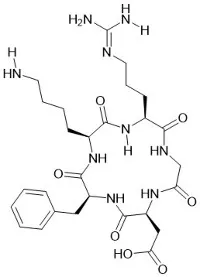
Peptides are short chains of amino acids, the building blocks of proteins. They can act as signaling molecules in the body, interacting with cells and influencing various biological processes. In the context of anti - aging, peptides may play crucial roles in stimulating collagen production, reducing inflammation, and protecting cells from oxidative stress.
The Science Behind Anti - Aging and Peptides
Aging is a complex biological process characterized by a gradual decline in cellular function, a decrease in collagen and elastin production, and an increase in oxidative stress and inflammation. Let's explore how catalogue peptides can potentially address these key aspects of aging.
Collagen Production
Collagen is a protein that gives our skin its structure, elasticity, and firmness. As we age, the production of collagen in our bodies slows down, leading to the formation of wrinkles and sagging skin. Some catalogue peptides can stimulate fibroblasts, the cells responsible for producing collagen. For example, certain peptides mimic the structure of growth factors that are involved in collagen synthesis. When applied topically, these peptides can send signals to fibroblasts, prompting them to produce more collagen. This can result in improved skin texture, reduced wrinkle depth, and increased skin firmness.
Oxidative Stress
Oxidative stress occurs when there is an imbalance between the production of free radicals and the body's ability to neutralize them. Free radicals are unstable molecules that can damage cells, including skin cells, leading to premature aging. Some catalogue peptides have antioxidant properties. They can scavenge free radicals, protecting cells from oxidative damage. For instance, peptides containing amino acids with antioxidant functions, such as cysteine and methionine, can help maintain the integrity of skin cells and prevent the signs of aging caused by oxidative stress.
Inflammation
Chronic inflammation is another factor that contributes to aging. It can disrupt normal cellular function and accelerate the breakdown of collagen and elastin. Certain catalogue peptides have anti - inflammatory properties. They can inhibit the production of pro - inflammatory cytokines, which are signaling molecules that trigger inflammation. By reducing inflammation in the skin, these peptides can help maintain a healthy skin environment and slow down the aging process.
Examples of Catalogue Peptides with Anti - Aging Potential
Let's take a look at some specific catalogue peptides that show promise in anti - aging product development:
Fibronectin Type III Connecting Segment (1 - 25)
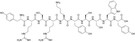
This peptide has been studied for its role in cell adhesion and migration. In the context of anti - aging, it may contribute to the maintenance of a healthy extracellular matrix, which is essential for skin structure and function. You can find more information about Fibronectin Type III Connecting Segment (1 - 25).
Galanin (human)
Galanin is a neuropeptide that has been shown to have various physiological effects, including potential anti - inflammatory and antioxidant properties. In the skin, it may help protect cells from damage and maintain a youthful appearance. Check out Galanin (human) for more details.
Galanin (mouse, Rat)
Similar to its human counterpart, Galanin (mouse, Rat) also has interesting biological activities. Although there are species - specific differences, the basic functions related to cell protection and regulation may be relevant in anti - aging research and product development.
Practical Considerations in Using Catalogue Peptides for Anti - Aging Products
While the potential of catalogue peptides in anti - aging product development is exciting, there are several practical considerations that need to be taken into account.
Stability
Peptides can be sensitive to environmental factors such as temperature, pH, and light. Ensuring the stability of peptides in anti - aging formulations is crucial to maintain their biological activity. Formulators need to carefully select appropriate excipients and packaging materials to protect peptides from degradation.
Penetration
For topical anti - aging products, the ability of peptides to penetrate the skin is essential. The skin has a natural barrier function that can prevent the entry of large molecules. Peptides may need to be formulated in a way that enhances their penetration, such as using liposomes or other delivery systems.
Regulatory Compliance
The use of peptides in anti - aging products is subject to regulatory requirements. Different countries and regions have different regulations regarding the safety and efficacy claims of cosmetic products. It is important to ensure that the use of catalogue peptides complies with all relevant regulations to avoid legal issues.
The Future of Catalogue Peptides in Anti - Aging
The future of catalogue peptides in anti - aging product development looks promising. As research in the field of peptides continues to advance, we can expect to discover more peptides with unique anti - aging properties. Additionally, improvements in peptide synthesis and delivery technologies will make it easier to incorporate peptides into effective anti - aging formulations.
Moreover, the growing consumer demand for natural and science - based anti - aging products provides a favorable market environment for catalogue peptides. Consumers are becoming more educated about the ingredients in their skincare products and are willing to invest in products that offer real results.
Conclusion
In conclusion, catalogue peptides have significant potential in the development of anti - aging products. Their ability to stimulate collagen production, reduce oxidative stress, and inflammation makes them attractive candidates for addressing the key aspects of aging. However, careful consideration of practical factors such as stability, penetration, and regulatory compliance is necessary.
As a catalogue peptides supplier, I am committed to providing high - quality peptides that can meet the needs of the anti - aging product development industry. If you are interested in exploring the use of catalogue peptides in your anti - aging formulations, I encourage you to reach out for a detailed discussion. We can work together to find the most suitable peptides for your products and ensure a successful development process.
References
- Alberts, B., Johnson, A., Lewis, J., Raff, M., Roberts, K., & Walter, P. (2002). Molecular Biology of the Cell. Garland Science.
- Bolognia, J. L., Jorizzo, J. L., & Rapini, R. P. (2012). Dermatology. Elsevier.
- Griffiths, C. E., & Barker, J. N. (2007). Textbook of Dermatology. Wiley - Blackwell.