




Can Exendin - 3 be absorbed orally?
As a supplier of Exendin - 3, I often encounter questions from customers regarding the oral absorption of this peptide. Exendin - 3 is a naturally occurring peptide that has shown significant potential in the field of diabetes research and treatment. In this blog post, I will delve into the scientific aspects of whether Exendin - 3 can be absorbed orally, exploring the challenges and possible solutions.
The Basics of Exendin - 3
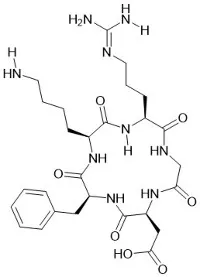
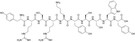
Exendin - 3 is a 39 - amino - acid peptide that was first isolated from the salivary secretions of the Gila monster (Heloderma suspectum). It shares a high degree of sequence homology with glucagon - like peptide - 1 (GLP - 1), a hormone that plays a crucial role in regulating blood glucose levels. Exendin - 3 has been found to stimulate insulin secretion, inhibit glucagon release, and slow gastric emptying, making it a promising candidate for the treatment of type 2 diabetes.
Challenges in Oral Absorption
The oral route of drug administration is the most convenient and patient - preferred method. However, for peptides like Exendin - 3, oral absorption faces several significant challenges:

Enzymatic Degradation
The gastrointestinal tract is rich in proteolytic enzymes such as pepsin, trypsin, and chymotrypsin. These enzymes are designed to break down proteins and peptides into smaller fragments for digestion and absorption. Exendin - 3, being a peptide, is highly susceptible to enzymatic degradation in the stomach and small intestine. Once degraded, its biological activity is lost, and it cannot exert its therapeutic effects.
Poor Membrane Permeability
The epithelial cells lining the gastrointestinal tract form a physical barrier that restricts the passage of large molecules, including peptides. Exendin - 3 has a relatively large molecular size and a hydrophilic nature, which makes it difficult to cross the lipid - rich cell membranes of the intestinal epithelium. This poor membrane permeability limits its ability to enter the bloodstream from the gut lumen.
First - Pass Metabolism
After oral administration, drugs absorbed from the gastrointestinal tract are first transported to the liver via the portal vein. The liver is a major site of drug metabolism, where many enzymes can modify and inactivate drugs. Exendin - 3 may undergo extensive first - pass metabolism in the liver, further reducing its bioavailability.
Research on Oral Absorption of Exendin - 3
Despite the challenges, researchers have been actively exploring ways to improve the oral absorption of Exendin - 3. Some of the strategies being investigated include:
Use of Enzyme Inhibitors
One approach is to co - administer Exendin - 3 with enzyme inhibitors to protect it from proteolytic degradation. For example, protease inhibitors can be added to the formulation to block the activity of proteolytic enzymes in the gastrointestinal tract. However, the use of enzyme inhibitors also raises concerns about potential side effects and interactions with other drugs.
Formulation with Absorption Enhancers
Absorption enhancers are substances that can increase the permeability of the intestinal epithelium. They work by disrupting the tight junctions between epithelial cells or by modifying the lipid structure of the cell membrane. Examples of absorption enhancers include bile salts, fatty acids, and surfactants. By formulating Exendin - 3 with absorption enhancers, researchers hope to improve its ability to cross the intestinal barrier.
Nanoparticle Delivery Systems
Nanoparticle - based delivery systems have shown great potential in enhancing the oral bioavailability of peptides. Nanoparticles can encapsulate Exendin - 3, protecting it from enzymatic degradation and improving its membrane permeability. They can also be designed to target specific cells or tissues in the gastrointestinal tract, increasing the likelihood of absorption. For example, polymeric nanoparticles, liposomes, and micelles have been investigated as delivery vehicles for Exendin - 3.
Current Status and Future Prospects
As of now, there is no commercially available oral formulation of Exendin - 3. Most of the research on oral absorption of Exendin - 3 is still in the pre - clinical or early clinical stages. However, the results from some studies are promising. For instance, certain nanoparticle formulations have been shown to significantly improve the oral bioavailability of Exendin - 3 in animal models.
In the future, with the continuous development of new technologies and delivery systems, it is possible that an effective oral formulation of Exendin - 3 will be developed. This would not only improve patient compliance but also expand the potential applications of Exendin - 3 in the treatment of diabetes and other metabolic disorders.
Related Peptides
If you are interested in other peptides, we also offer a wide range of products. For example, you can check out our Ecdysis - Triggering Hormone (Manduca Sexta), Fibrinogen - Binding Peptide, and FMRF - Like Neuropeptide. These peptides have their own unique biological activities and potential applications in various research fields.
Contact for Procurement
If you are interested in purchasing Exendin - 3 or any of our other peptide products, we welcome you to contact us for procurement discussions. Our team of experts can provide you with detailed information about product specifications, pricing, and delivery options. We are committed to providing high - quality products and excellent customer service.
References
- Drucker DJ. The biology of incretin hormones. Cell Metab. 2006;3(3):153 - 165.
- Patel YC. Peptide drug delivery: barriers and opportunities. J Pharm Sci. 2005;94(1):1 - 11.
- Mitragotri S, Burke PA, Langer R. Overcoming the challenges in administering biopharmaceuticals: formulation and delivery strategies. Nat Rev Drug Discov. 2014;13(12):813 - 832.