




Can RVG29 be used in gene therapy?
Hey there! As a supplier of RVG29, I've been getting a lot of questions lately about whether this little peptide can be used in gene therapy. So, I thought I'd take a deep - dive into this topic and share what I've learned.
First off, let's talk a bit about what RVG29 is. RVG29 is a short peptide derived from the rabies virus glycoprotein (RVG). It's got this really cool ability to cross the blood - brain barrier (BBB). The BBB is like a super - strict security guard for our brains. It keeps out a lot of harmful stuff, but it also makes it tough to get drugs and other therapeutic agents into the brain. RVG29, though, can slip right through, which is a huge deal, especially when it comes to treating brain - related diseases.
Now, onto gene therapy. Gene therapy is all about fixing or modifying genes to treat or prevent diseases. It can involve adding a healthy gene to replace a faulty one, knocking out a malfunctioning gene, or changing the way a gene works. It's a super - exciting field with the potential to cure all sorts of genetic disorders, like some types of cancer, rare inherited diseases, and neurodegenerative conditions.
So, can RVG29 be used in gene therapy? The answer is a big, fat maybe, and here's why.
One of the main challenges in gene therapy is delivering the therapeutic genes to the right cells. And this is where RVG29 could shine. Since it can cross the BBB, it could potentially be used to deliver gene - editing tools, like CRISPR - Cas9, into the brain. For example, in neurodegenerative diseases like Alzheimer's or Parkinson's, there are specific genes that are misbehaving. If we could use RVG29 to get gene - editing agents into the affected brain cells, we might be able to correct those genetic errors.
There have been some really promising studies in this area. Researchers have used RVG29 to carry small interfering RNAs (siRNAs) into the brain. siRNAs can silence specific genes, and in the context of gene therapy, this could be used to turn off genes that are causing problems. For instance, if there's a gene that's over - producing a toxic protein in the brain, siRNAs delivered by RVG29 could potentially reduce its production.
However, it's not all sunshine and rainbows. There are still a bunch of hurdles to overcome. One major issue is the immune response. When we introduce foreign substances, like RVG29 - gene complexes, into the body, the immune system might see them as invaders and mount an attack. This could not only reduce the effectiveness of the gene therapy but also cause some unwanted side effects.
Another challenge is the specificity of delivery. While RVG29 can cross the BBB, we need to make sure it's delivering the gene therapy precisely to the cells that need it. Otherwise, we could end up modifying genes in healthy cells, which could lead to new problems.
Let's also talk about the stability of the RVG29 - gene complexes. Once they're in the body, they need to stay intact long enough to reach the target cells. If they break down too quickly, the gene therapy won't work.
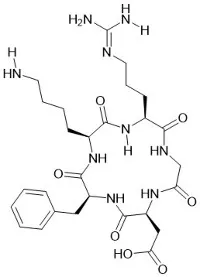
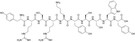
Now, I want to mention a few other related peptides that might also be relevant in the gene - therapy space. Check out E[c(RGDyK)]2. This peptide has its own unique properties and could potentially be used in combination with RVG29 for more targeted delivery. Beta - Amyloid (1 - 40), Human is also interesting, especially when it comes to understanding neurodegenerative diseases and how gene therapy could play a role in treating them. And Prepro VIP (111 - 122) (human) has some functions that could be explored in the context of gene - therapy delivery as well.
In conclusion, while there's a lot of potential for RVG29 in gene therapy, we're still in the early days. There's a ton of research that needs to be done to overcome the challenges I mentioned earlier. But the fact that RVG29 can cross the BBB gives it a real edge in this field.
If you're in the research or medical community and you're interested in exploring the potential of RVG29 for your gene - therapy projects, I'd love to hear from you. We're a leading supplier of high - quality RVG29, and we can work with you to provide the peptide you need for your studies. Whether you're just starting out or you're well into your research, we're here to support you. Reach out to us to start a discussion about your specific needs and how we can help you take your gene - therapy research to the next level.
References
- Zhang, F., et al. "RVG - mediated delivery of siRNA to the mouse brain." Nature Biotechnology, 2010.
- Jinek, M., et al. "A programmable dual - RNA - guided DNA endonuclease in adaptive bacterial immunity." Science, 2012.
- Wang, H., et al. "Genome editing with Cas9 in adult mice corrects a disease mutation and phenotype." Cell, 2013.