




Hey there! As a Tuftsin supplier, I've been getting a lot of questions lately about whether Tuftsin can be used in the treatment of bacterial infections. So, I thought I'd take some time to dig into the science and share what I've found.
First off, let's talk a bit about what Tuftsin is. Tuftsin is a naturally occurring tetrapeptide with the amino acid sequence Thr - Lys - Pro - Arg. It was first discovered in the 1970s and has since been the subject of a ton of research. This little peptide is pretty amazing because it plays a key role in the immune system. It can stimulate the activity of phagocytic cells, like macrophages and neutrophils, which are the body's first line of defense against bacterial invaders.
So, can Tuftsin actually be used to treat bacterial infections? Well, the evidence so far is looking pretty promising. A bunch of in - vitro studies have shown that Tuftsin can enhance the ability of phagocytic cells to engulf and kill bacteria. For example, when researchers added Tuftsin to cultures of macrophages and exposed them to bacteria, the macrophages became much more efficient at gobbling up the bugs. This is a really important step in the body's fight against infection.
In animal models, Tuftsin has also shown some great potential. In experiments with mice infected with various bacteria, treatment with Tuftsin led to a significant reduction in the bacterial load in the animals' tissues. The mice also had a better survival rate compared to those that didn't receive Tuftsin. These results suggest that Tuftsin could be a powerful tool in the treatment of bacterial infections.
One of the really cool things about Tuftsin is its safety profile. Since it's a naturally occurring peptide, it's generally well - tolerated by the body. This is a huge advantage over some of the traditional antibiotics, which can have a lot of side effects. And with the growing problem of antibiotic resistance, finding alternative treatments like Tuftsin is becoming more and more important.
But it's not all sunshine and rainbows. There are still some challenges that need to be overcome before Tuftsin can become a mainstream treatment for bacterial infections. One of the main issues is delivery. Peptides like Tuftsin can be easily broken down in the body, so finding a way to get it to the right place at the right time in an effective dose is tricky. Scientists are working on developing new delivery systems, like nanoparticles or liposomes, to protect Tuftsin and ensure it reaches the site of infection.
Another challenge is the cost of production. Producing high - quality Tuftsin can be expensive, which could limit its widespread use. However, as technology improves and production methods become more efficient, we're hopeful that the cost will come down.
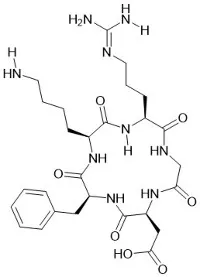
Now, let's talk about some related peptides that are also being studied for their antibacterial properties. One of them is Cyclo(RADfK). This cyclic peptide has shown some interesting antibacterial activity in preliminary studies. It works in a different way than Tuftsin, but it could potentially be used in combination with Tuftsin to enhance the overall antibacterial effect.
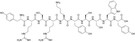
Glycoprotein IIb Fragment (656 - 667) is another peptide that's on the radar. Some research has suggested that this fragment might have antibacterial properties, although more studies are needed to confirm its effectiveness.

And then there's Substance P (1 - 9). This peptide has been studied for its role in the immune system and has shown some potential in fighting off infections. It could be another piece of the puzzle in the search for new antibacterial treatments.
So, where does this leave us? As a Tuftsin supplier, I'm really excited about the future of this peptide in the treatment of bacterial infections. While there are still some hurdles to overcome, the scientific evidence so far is very encouraging. I believe that with continued research and development, Tuftsin could become an important part of the antibacterial arsenal.
If you're a researcher or a company interested in exploring the potential of Tuftsin for the treatment of bacterial infections, I'd love to hear from you. We can discuss how our high - quality Tuftsin products can meet your needs. Whether you're looking for small - scale samples for initial studies or large - scale production for clinical trials, we've got you covered. Reach out to us to start a conversation about how we can work together to advance the field of antibacterial therapy.
In conclusion, Tuftsin has a lot of potential in the treatment of bacterial infections. It's a safe, natural peptide that can boost the immune system's ability to fight off bacteria. While there are challenges ahead, the future looks bright. Let's keep our fingers crossed and see where this research takes us.
References
- Najjar, V. A., & Nishioka, K. (1970). Tuftsin, a thymus-dependent immunostimulating tetrapeptide. Science, 168(3937), 1220 - 1221.
- Frenkel, E. P., & Shoham, J. (1986). Tuftsin: biological activities and therapeutic potential. Critical Reviews in Immunology, 6(1 - 2), 1 - 21.
- Remold, H. G., & Remold - O'Donnell, E. (1975). Stimulation of phagocytosis by tuftsin, a natural peptide. The Journal of Experimental Medicine, 142(6), 1427 - 1439.