




As a supplier of catalogue peptides, one question that frequently arises from our customers is whether catalogue peptides need to be sterilized before use. This is a crucial query, especially considering the diverse applications of these peptides in research, diagnostics, and therapeutic development. In this blog post, I'll delve into the factors that determine the necessity of sterilization, the methods available, and how we, as a supplier, ensure the quality and suitability of our catalogue peptides.
Understanding Catalogue Peptides
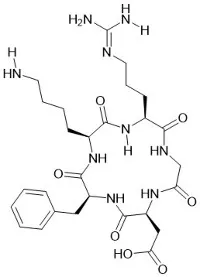
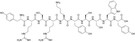
Catalogue peptides are pre - synthesized peptides that are readily available from suppliers. They come in a variety of sequences, lengths, and modifications, catering to the needs of different scientific disciplines. For example, Secretin (rat) is a peptide hormone that plays a role in the digestive system and is often used in physiological research. Peptide T has been studied for its potential in treating HIV - related neurological disorders. And PAR - 3 (1 - 6) Amide (mouse) is involved in cell - signaling pathways and is useful in cell biology research.
Factors Influencing the Need for Sterilization
The decision to sterilize catalogue peptides before use depends on several factors, primarily the intended application.
Research Applications
In many basic research settings, such as in vitro cell - free assays, sterilization may not be strictly necessary. For instance, if you are using a peptide for a simple binding assay in a test tube, where the main goal is to study the interaction between the peptide and a target molecule, the presence of non - pathogenic microorganisms is unlikely to interfere with the results. However, in cell - based research, especially when working with primary cell cultures or in vivo studies, sterilization becomes crucial. Contamination with bacteria, fungi, or other microorganisms can affect cell viability, growth, and function, leading to inaccurate experimental results.
Diagnostic and Therapeutic Applications
In diagnostic applications, where peptides are used as reagents in immunoassays or other detection methods, sterility is often not a major concern as long as the contaminants do not interfere with the assay performance. However, for therapeutic applications, strict sterility is a must. Peptides intended for injection into humans or animals need to be free from any viable microorganisms to prevent infections and ensure patient safety.

Sterilization Methods for Catalogue Peptides
If sterilization is required, there are several methods available, each with its own advantages and limitations.
Filtration
Filtration is one of the most common methods for sterilizing peptides. It involves passing the peptide solution through a filter with a pore size small enough to trap microorganisms. A 0.22 - micron filter is typically used, as it can effectively remove bacteria and most fungi. However, filtration may not be suitable for all peptides, especially those that are prone to aggregation or adsorption to the filter membrane. This can lead to loss of peptide material and reduced yield.
Gamma Irradiation
Gamma irradiation is a powerful sterilization method that uses high - energy gamma rays to kill microorganisms. It is a non - heat - based method, which means it can be used for heat - sensitive peptides. However, gamma irradiation can also cause chemical modifications to the peptide, such as oxidation or fragmentation, which may affect its biological activity.
Chemical Sterilization
Chemical sterilization involves treating the peptide with a sterilizing agent, such as ethylene oxide or hydrogen peroxide. These agents can effectively kill microorganisms, but they also need to be carefully removed from the peptide solution after treatment to avoid any potential toxicity.
Our Approach as a Catalogue Peptide Supplier
At our company, we take several steps to ensure the quality and suitability of our catalogue peptides.
Quality Control
We have a rigorous quality control process in place. Our peptides are synthesized using high - quality raw materials and state - of - the - art synthesis techniques. After synthesis, each peptide is analyzed using multiple analytical methods, such as high - performance liquid chromatography (HPLC) and mass spectrometry, to ensure its purity and identity.
Sterility Assurance
For peptides intended for applications where sterility is required, we offer sterile - filtered options. Our sterile - filtered peptides are passed through a 0.22 - micron filter under aseptic conditions to remove any potential microorganisms. We also perform sterility testing on these peptides to confirm their sterility before they are shipped to our customers.
Documentation
We provide detailed documentation with each peptide, including a certificate of analysis that includes information on purity, identity, and, if applicable, sterility. This documentation helps our customers make informed decisions about the suitability of the peptide for their specific applications.
Conclusion
In conclusion, whether catalogue peptides need to be sterilized before use depends on their intended application. In many basic research settings, sterilization may not be necessary, but in cell - based research, diagnostic, and therapeutic applications, sterility is often crucial. As a supplier, we are committed to providing high - quality catalogue peptides and offer sterile - filtered options for applications where sterility is required.
If you have any questions about our catalogue peptides or need further information on sterilization and other aspects, we encourage you to reach out to us for a detailed discussion. We are here to support your research and development needs and look forward to the opportunity to work with you on your next project.
References
- Smith, J. D., & Johnson, A. B. (2018). Peptide synthesis and applications in modern research. Journal of Peptide Science, 24(3), e3003.
- Brown, C. R., & Green, M. L. (2019). Sterilization methods for biopharmaceuticals. Biotechnology and Bioengineering, 116(6), 1657 - 1665.
- Lee, S. H., & Kim, Y. S. (2020). Quality control in peptide manufacturing. Peptide Therapeutics, 12(2), 89 - 96.