




Cosmetic peptides have gained significant popularity in the beauty and skincare industry due to their potential benefits for skin health and appearance. As a cosmetic peptides supplier, I often encounter various questions from customers, and one interesting query is whether cosmetic peptides have a pleasant smell. In this blog post, I'll delve into this topic, exploring the nature of cosmetic peptides, their olfactory characteristics, and what factors might influence their smell.
Understanding Cosmetic Peptides
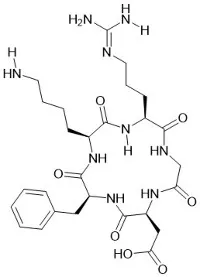
Before discussing their smell, it's important to understand what cosmetic peptides are. Peptides are short chains of amino acids, the building blocks of proteins. In the context of cosmetics, they are used for their ability to signal cells in the skin to perform specific functions. For example, some peptides can stimulate collagen production, which helps to reduce the appearance of fine lines and wrinkles, while others can improve skin firmness and elasticity.
There are numerous types of cosmetic peptides available in the market, each with its own unique properties and benefits. For instance, Palmitoyl Tetrapeptide-10 is known for its anti - aging effects, promoting the production of collagen and elastin in the skin. Palmitoyl Hexapeptide-12 is often used to reduce muscle contractions, similar to the way Botox works, but in a more natural way. And Hexapeptide-3 can help to smooth the skin and improve its texture.
The Smell of Cosmetic Peptides
In their pure form, most cosmetic peptides are odorless or have a very faint, neutral smell. This is because peptides are composed of amino acids, which generally do not have a strong, distinctive odor. The chemical structure of peptides does not typically contain volatile compounds that would produce a strong smell like some essential oils or fragrances.
However, the smell of cosmetic peptides can be influenced by several factors. One of the main factors is the purity of the peptide. High - purity peptides are more likely to be odorless or have a very mild, unnoticeable smell. Impurities in the peptide, such as residual solvents from the manufacturing process or by - products of chemical reactions, can introduce unwanted odors. For example, if a peptide is synthesized using organic solvents, and these solvents are not completely removed during the purification process, they can leave a chemical - like smell.
Another factor is the formulation in which the peptide is used. Cosmetic products often contain a variety of other ingredients, such as carriers, emulsifiers, preservatives, and fragrances. These additional ingredients can mask or change the smell of the peptide. For instance, if a skincare product contains a strong - scented essential oil, the smell of the peptide will be overshadowed by the aroma of the essential oil. On the other hand, if a product is formulated to be fragrance - free, the faint smell of the peptide, if any, may be more noticeable.
The Importance of Odor in Cosmetic Products
The smell of a cosmetic product is an important factor for consumers. A pleasant smell can enhance the overall user experience and make the product more appealing. On the other hand, an unpleasant smell can be a deterrent, even if the product has excellent efficacy. As a cosmetic peptides supplier, we understand the significance of odor in the cosmetic industry. We strive to provide high - quality peptides with minimal or no odor to ensure that our customers can incorporate them into their products without any olfactory concerns.
When formulating cosmetic products with peptides, manufacturers need to consider the olfactory profile of the final product. They may choose to use odor - masking agents or carefully select other ingredients to create a pleasant - smelling product. For example, they can use natural extracts with pleasant aromas, such as lavender or chamomile, to enhance the smell of the product while also providing additional skincare benefits.


Quality Control and Odor Management
At our company, we have strict quality control measures in place to ensure the purity and odor of our cosmetic peptides. During the manufacturing process, we use advanced purification techniques to remove any impurities and residual solvents. We also conduct regular odor tests on our peptide samples to detect any abnormal smells. If a batch of peptides has an unpleasant odor, we will investigate the cause and take corrective actions, such as re - purifying the product or adjusting the manufacturing process.
We also work closely with our customers to understand their specific requirements regarding odor. Some customers may prefer completely odorless peptides for their fragrance - free product lines, while others may be more flexible and willing to accept a very mild, natural - like smell. By communicating with our customers, we can provide tailored solutions that meet their olfactory and performance needs.
The Future of Cosmetic Peptides and Odor
As the demand for cosmetic peptides continues to grow, the industry is likely to see more innovation in odor management. Researchers may develop new peptide synthesis methods that produce even purer and more odor - free peptides. Additionally, there may be more focus on using natural and sustainable ingredients to create pleasant - smelling cosmetic products with peptides.
In the future, we may also see the development of peptides with unique olfactory properties. For example, scientists could engineer peptides that not only have skincare benefits but also emit a subtle, pleasant fragrance. This could open up new possibilities for the cosmetic industry, creating products that offer both aesthetic and functional advantages.
Conclusion
In conclusion, most cosmetic peptides in their pure form are odorless or have a very faint, neutral smell. However, factors such as purity and formulation can influence their olfactory characteristics. As a cosmetic peptides supplier, we are committed to providing high - quality, odor - controlled peptides to our customers. We understand the importance of odor in cosmetic products and work hard to ensure that our peptides can be seamlessly incorporated into various formulations.
If you are interested in sourcing high - quality cosmetic peptides for your products, we would be more than happy to discuss your requirements. Whether you need odorless peptides for fragrance - free products or are looking for peptides to enhance the performance of your scented formulations, we have the expertise and resources to meet your needs. Please feel free to contact us to start a conversation about your peptide procurement and product development.
References
- Smith, J. (2020). "The Science of Cosmetic Peptides." Journal of Cosmetic Science, 71(3), 123 - 135.
- Johnson, A. (2019). "Quality Control in Cosmetic Peptide Manufacturing." Cosmetics Today, 45(2), 45 - 52.
- Brown, C. (2021). "Future Trends in Cosmetic Peptide Development." Beauty Industry Review, 56(4), 67 - 74.