




Hey there! As an amino acids supplier, I've always been fascinated by how these little building blocks work inside our bodies. Today, I'm gonna take you on a journey through the digestive process of amino acids. It's gonna be a wild ride, so buckle up!
The Start of the Digestive Process
The whole process of amino acid digestion kicks off in the mouth. Yeah, you heard me right! When we start chewing our food, we're not just breaking it down physically but also mixing it with saliva. Saliva contains enzymes that start the ball rolling on breaking down the proteins in our food, which are made up of amino acids. But this is just a small start; the real action happens further down the line.
Once we swallow our food, it heads into the stomach. The stomach is like a big, acidic mixer. It secretes hydrochloric acid and pepsin, an enzyme. The hydrochloric acid makes the stomach environment super acidic, which is crucial because it helps to denature the proteins. Denaturing is like unfolding a tightly packed ball of yarn. It makes the proteins easier for the enzymes to get to work on. Pepsin then starts chopping the proteins into smaller polypeptides, which are basically chains of amino acids.
Moving to the Small Intestine
After the stomach has done its thing, the partially digested food moves into the small intestine. This is where the real magic happens. The small intestine is a long, coiled tube, and it's the main site for amino acid digestion and absorption.


First, the pancreas steps in. It releases pancreatic enzymes like trypsin, chymotrypsin, and carboxypeptidase into the small intestine. These enzymes are like tiny scissors. Trypsin and chymotrypsin break the polypeptides into even smaller peptides. Carboxypeptidase works on the ends of the peptide chains, snipping off individual amino acids.
But that's not all. The cells lining the small intestine also have their own set of enzymes called brush border enzymes. These include aminopeptidase and dipeptidase. Aminopeptidase starts from the other end of the peptide chains compared to carboxypeptidase, and it keeps cutting off amino acids. Dipeptidase breaks down dipeptides, which are just two amino acids joined together, into single amino acids.
Absorption of Amino Acids
Once the proteins have been broken down into single amino acids or very small peptides, they're ready to be absorbed. The cells lining the small intestine have special transport proteins on their surface. These transport proteins act like little elevators, carrying the amino acids and small peptides across the cell membrane and into the cells.
There are different types of transport proteins for different amino acids. Some amino acids are transported using a sodium-dependent mechanism. This means that they hitch a ride with sodium ions as they move into the cell. Others use different types of transporters. Once inside the cells, the small peptides can be further broken down into single amino acids by intracellular enzymes.
From the cells of the small intestine, the amino acids then move into the bloodstream. The bloodstream acts like a highway, carrying the amino acids to all parts of the body where they're needed. They can be used for all sorts of things, like building new proteins, making hormones, or providing energy.
Role of the Liver
After the amino acids enter the bloodstream, they first make a stop at the liver. The liver is like a big processing plant. It takes in the amino acids and decides what to do with them. Some amino acids are used right away to make proteins that the liver needs, like albumin, which helps to keep the fluid balance in our bodies.
The liver can also convert some amino acids into other substances. For example, it can convert excess amino acids into glucose or fat through a process called gluconeogenesis or lipogenesis. This is a way of storing energy for later use. The liver also plays a role in getting rid of the nitrogen that's part of the amino acids. It converts the nitrogen into urea, which is then excreted in the urine.
Importance of Amino Acids in the Body
Amino acids are super important for our bodies. They're not just building blocks for proteins; they're involved in so many other processes. For example, some amino acids are precursors for neurotransmitters, which are chemicals that help our brain cells communicate with each other. Tryptophan, for instance, is used to make serotonin, a neurotransmitter that affects our mood, sleep, and appetite.
Amino acids are also important for our immune system. Our white blood cells need amino acids to make antibodies, which help to fight off infections. And they're involved in muscle repair and growth. When we exercise, we break down muscle fibers, and amino acids are used to repair and build them back up stronger.
Our Amino Acids Products
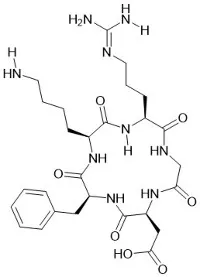
As an amino acids supplier, we offer a wide range of high-quality amino acids and related products. For example, we have Galanin (2-11), which has potential applications in various research areas. Another great product is Myristoyl Pentapeptide-4, which is used in the cosmetic industry for its anti-aging properties. And if you're looking for a specific type of amino acid derivative, we have Fmoc-D-Trp-OPfp, which is useful in peptide synthesis.
Let's Connect
If you're in the market for amino acids or have any questions about our products, don't hesitate to reach out. Whether you're a researcher, a manufacturer, or someone just interested in learning more about amino acids, we're here to help. We can provide you with detailed product information, samples, and competitive pricing. So, let's start a conversation and see how we can work together to meet your needs.
References
- Guyton and Hall Textbook of Medical Physiology.
- Harper's Illustrated Biochemistry.
- Alberts, B., et al. Molecular Biology of the Cell.