




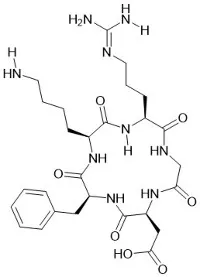
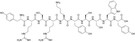
Hey there! As a supplier of cosmetic peptides, I'm super stoked to chat with you about how these amazing little compounds influence skin barrier function. The skin barrier is like a tough protective wall that keeps our skin healthy and looking good. It's in charge of preventing moisture loss, keeping out harmful germs, and maintaining all-round skin health. Let's dig into how cosmetic peptides play a huge part in all this.
First off, what exactly are cosmetic peptides? Well, peptides are short chains of amino acids, and they're the building blocks of proteins. In our skin, proteins like collagen and elastin are crucial for its structure and function. Cosmetic peptides are specifically designed to mimic the actions of natural peptides in the skin, offering various benefits.
When it comes to the skin barrier, its primary function is to act as a shield against the outside world. It's made up of a layer of dead skin cells held together by lipids, creating a sort of "brick and mortar" structure. Any disruption to this structure can lead to problems like dryness, irritation, and even infections. This is where cosmetic peptides come into play.
One key way that cosmetic peptides influence the skin barrier is by stimulating collagen production. Collagen is the most abundant protein in our skin and gives it strength and elasticity. As we age, collagen production naturally slows down, leading to wrinkles, sagging, and a weakened skin barrier. Certain peptides can signal to our skin cells to produce more collagen, helping to repair and strengthen the skin barrier.
For example, Acetyl Hexapeptide - 1 CAS 448944 - 47 - 6 has been shown to have a positive effect on collagen synthesis. It works by interacting with the skin cells and encouraging them to produce more of this vital protein. This, in turn, helps to improve the skin's texture and increase its resilience, making the skin barrier more effective at keeping out harmful substances.
Another important aspect of skin barrier function is the regulation of lipid production. Lipids, such as ceramides, cholesterol, and fatty acids, are essential for maintaining the integrity of the skin barrier. They fill in the spaces between the skin cells, creating a waterproof layer that prevents moisture from escaping. Some cosmetic peptides can influence lipid synthesis, helping to restore and maintain proper lipid levels in the skin.
Acetyl Tetrapeptide - 5 CAS 820959 - 17 - 9 is one such peptide. It has been found to enhance the production of ceramides, which are a type of lipid that plays a crucial role in the skin barrier. By increasing ceramide levels, this peptide helps to improve the skin's moisture retention and reduce transepidermal water loss (TEWL). A lower TEWL means that the skin is better able to hold onto its moisture, keeping it hydrated and supple.
In addition to collagen and lipid production, cosmetic peptides can also have an impact on the skin's immune system. The skin is the body's first line of defense against pathogens, and a strong immune system in the skin is essential for maintaining a healthy barrier. Peptides can modulate the immune response, helping to fight off infections and reduce inflammation.
Acetyl Decapeptide - 3 CAS 935288 - 50 - 9 has been shown to have immunomodulatory properties. It can help to regulate the activity of immune cells in the skin, reducing the risk of inflammation and improving the overall health of the skin barrier. By keeping the immune system in balance, this peptide helps to prevent damage to the skin barrier and promotes faster healing.
Another cool thing about cosmetic peptides is their ability to promote cell turnover. Skin cells are constantly being replaced, and a healthy rate of cell turnover is essential for maintaining a smooth, youthful complexion. Peptides can stimulate the production of new skin cells, helping to replace old, damaged cells more quickly.
This faster cell turnover not only improves the appearance of the skin but also enhances the function of the skin barrier. Newer skin cells are more efficient at producing proteins and lipids, which are crucial for maintaining the integrity of the barrier. As a result, the skin becomes more resilient and better able to protect itself from environmental stressors.
But how do these peptides actually get into the skin and do their magic? Well, the outer layer of the skin, called the stratum corneum, can be a bit of a tough nut to crack. It acts as a natural barrier to prevent foreign substances from entering. However, cosmetic peptides are small enough to penetrate the stratum corneum and reach the deeper layers of the skin where they can have their effect.
Formulation is key when it comes to getting the most out of cosmetic peptides. They need to be formulated in a way that allows them to be stable and easily absorbed by the skin. There are different types of delivery systems available, such as liposomes and nanoemulsions, which can enhance the penetration of peptides into the skin.
Now, you might be wondering how you can incorporate these amazing peptides into your skincare products. As a cosmetic peptides supplier, I can offer a wide range of high - quality peptides that are perfect for formulating effective skincare solutions. Whether you're a skincare brand looking to develop a new product line or a formulator wanting to add some extra oomph to your existing products, we've got you covered.
Our peptides are rigorously tested to ensure their quality and effectiveness. We use the latest technology and scientific research to develop peptides that deliver real results. And because we're a supplier, we can offer competitive prices and flexible ordering options to meet your needs.


If you're interested in learning more about our cosmetic peptides or want to discuss how they can be incorporated into your products, I'd love to hear from you. Just reach out, and we can have a chat about how these peptides can take your skincare products to the next level and improve the skin barrier function of your customers.
In conclusion, cosmetic peptides have a profound influence on skin barrier function. They can stimulate collagen production, regulate lipid synthesis, modulate the immune system, and promote cell turnover. By using these peptides in skincare products, we can help to repair, strengthen, and maintain a healthy skin barrier. So, if you're in the skincare industry and looking for a way to enhance your products, consider adding some of our top - notch cosmetic peptides.
References
- Alberts, B., Johnson, A., Lewis, J., Raff, M., Roberts, K., & Walter, P. (2002). Molecular Biology of the Cell. Garland Science.
- Elias, P. M., & Choi, E. H. (2005). Stratum corneum defensive functions: an integrated view. Journal of Investigative Dermatology, 125(3), 183 - 200.
- Griffiths, C. E., & Barker, J. N. (2007). Pathogenesis and clinical features of atopic dermatitis. The Lancet, 370(9596), 1505 - 1517.