




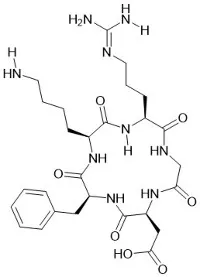
Antibody-drug conjugates (ADCs) have emerged as a promising class of targeted cancer therapies, combining the specificity of monoclonal antibodies with the potent cytotoxicity of small molecule drugs. Peptide linkers play a crucial role in ADCs, as they connect the antibody to the cytotoxic payload. The properties of peptide linkers can significantly influence the stability, pharmacokinetics, and ultimately, the cytotoxicity of ADCs. As a leading supplier of peptide linkers for ADCs, we are deeply involved in understanding how these linkers impact the cytotoxicity of ADCs.
Mechanisms of Action of Peptide Linkers in ADCs
Peptide linkers in ADCs are designed to be stable in the bloodstream to prevent premature release of the cytotoxic payload, which could lead to off - target toxicity. Once the ADC binds to its target antigen on the surface of cancer cells and is internalized via endocytosis, the linker is cleaved, releasing the active drug inside the cell.
There are two main types of peptide linkers: cleavable and non - cleavable. Cleavable peptide linkers are designed to be sensitive to specific intracellular conditions, such as low pH in endosomes and lysosomes or the presence of specific enzymes. For example, some peptide linkers contain sequences that are recognized and cleaved by lysosomal proteases. Non - cleavable linkers, on the other hand, rely on the degradation of the antibody within the cell to release the drug - linker conjugate.
Impact of Peptide Linker Stability on Cytotoxicity
The stability of peptide linkers in the bloodstream is a critical factor affecting the cytotoxicity of ADCs. A highly stable linker reduces the risk of premature payload release, which can cause systemic toxicity. However, if the linker is too stable, it may not be efficiently cleaved inside the target cells, leading to reduced cytotoxicity.
We offer a range of peptide linkers with different stabilities to meet the specific needs of ADC development. For instance, Boc - Val - Cit - PAB - OH is a cleavable peptide linker that is stable in the bloodstream but can be efficiently cleaved by lysosomal proteases after internalization into target cells. This linker has been shown to enhance the cytotoxicity of ADCs by ensuring the selective release of the payload inside cancer cells.
Influence of Peptide Linker Length and Flexibility
The length and flexibility of peptide linkers can also affect the cytotoxicity of ADCs. A longer linker may provide more space between the antibody and the payload, reducing steric hindrance and potentially improving the binding affinity of the antibody to its target antigen. Additionally, a flexible linker can allow the payload to adopt a more favorable orientation for interaction with its intracellular target, enhancing its cytotoxic effect.
Our Alkyne - Val - Cit - PAB - OH linker offers a good balance between length and flexibility. The alkyne group in this linker can be used for further conjugation reactions, allowing for the customization of ADCs. This linker has been used in several ADC development projects, and studies have shown that it can improve the cytotoxicity of ADCs by facilitating the efficient delivery and release of the payload.
Role of Peptide Linker Amino Acid Composition
The amino acid composition of peptide linkers can influence their cleavage efficiency and the overall properties of ADCs. Certain amino acid sequences are more susceptible to cleavage by specific enzymes, while others can enhance the solubility and stability of the linker.
Fmoc - Val - Cit - PAB - OH is a peptide linker with a carefully selected amino acid composition. The Fmoc group can be used for solid - phase peptide synthesis, and the Val - Cit sequence is recognized by lysosomal proteases. This linker has been optimized to ensure efficient cleavage and release of the payload, thereby increasing the cytotoxicity of ADCs.
Case Studies: Peptide Linkers and ADC Cytotoxicity
Several pre - clinical and clinical studies have demonstrated the impact of peptide linkers on the cytotoxicity of ADCs. In a study comparing ADCs with different peptide linkers, it was found that ADCs with a cleavable peptide linker showed higher cytotoxicity against target cancer cells compared to those with a non - cleavable linker. The cleavable linker allowed for the efficient release of the payload inside the cells, leading to a more potent anti - cancer effect.
Another study investigated the effect of linker length on ADC cytotoxicity. ADCs with a longer and more flexible linker showed improved binding to target antigens and enhanced internalization into cells, resulting in increased cytotoxicity. These findings highlight the importance of choosing the right peptide linker for ADC development.
Conclusion and Call to Action
In conclusion, peptide linkers play a vital role in determining the cytotoxicity of ADCs. Their stability, length, flexibility, and amino acid composition all contribute to the overall performance of ADCs. As a trusted supplier of peptide linkers for ADCs, we are committed to providing high - quality linkers that can help researchers and pharmaceutical companies develop more effective ADC therapies.
If you are interested in exploring our range of peptide linkers for ADCs or have any questions about how peptide linkers can affect the cytotoxicity of your ADCs, we invite you to contact us for further discussion and procurement. Our team of experts is ready to assist you in selecting the most suitable peptide linkers for your specific needs.
References
- Ducry, L., & Stump, B. (2010). Antibody - drug conjugates: linking cytotoxic payloads to monoclonal antibodies. Bioconjugate Chemistry, 21(1), 5 - 13.
- Junutula, J. R., et al. (2008). Potent antibody - drug conjugates using a cleavable linker. Nature Biotechnology, 26(8), 925 - 932.
- Shen, B. Q., et al. (2012). Controlling the location of drug attachment in antibody - drug conjugates. Nature Biotechnology, 30(2), 184 - 189.