




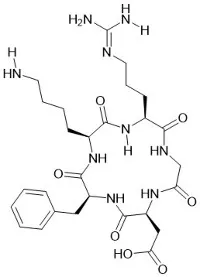

DAMGO, also known as [D-Ala2, N-MePhe4, Gly-ol5]-enkephalin, is a synthetic opioid peptide that has been the subject of extensive research due to its potent analgesic properties. However, its impact on the immune system is an area that has gained increasing attention in recent years. As a DAMGO supplier, I have witnessed the growing interest in understanding how this peptide interacts with the immune system, and I am excited to share some insights on this topic.
The Basics of the Immune System
Before delving into how DAMGO affects the immune system, it is essential to have a basic understanding of the immune system itself. The immune system is a complex network of cells, tissues, and organs that work together to defend the body against harmful pathogens, such as bacteria, viruses, and fungi. It can be divided into two main branches: the innate immune system and the adaptive immune system.

The innate immune system is the body's first line of defense and provides immediate, non-specific protection against pathogens. It includes physical barriers, such as the skin and mucous membranes, as well as immune cells like macrophages, neutrophils, and natural killer (NK) cells. These cells recognize and eliminate pathogens through various mechanisms, such as phagocytosis and the release of cytokines.
The adaptive immune system, on the other hand, is more specific and takes time to develop. It involves the activation of lymphocytes, including T cells and B cells, which can recognize and target specific pathogens. T cells play a crucial role in cell-mediated immunity, while B cells produce antibodies that can neutralize pathogens.
DAMGO and Opioid Receptors
DAMGO is a selective agonist of the mu-opioid receptor (MOR), one of the three main types of opioid receptors in the body (the other two being delta and kappa receptors). Opioid receptors are G protein-coupled receptors that are widely distributed throughout the central nervous system, as well as in peripheral tissues, including the immune system.
When DAMGO binds to the MOR, it activates a signaling cascade that leads to the inhibition of adenylate cyclase, a key enzyme involved in the production of cyclic adenosine monophosphate (cAMP). This, in turn, leads to a decrease in intracellular cAMP levels and the activation of various downstream signaling pathways, ultimately resulting in the modulation of cellular functions.
Effects of DAMGO on Immune Cells
Macrophages
Macrophages are important immune cells that play a crucial role in both the innate and adaptive immune responses. They are responsible for phagocytosing pathogens, presenting antigens to T cells, and producing cytokines. Studies have shown that DAMGO can modulate the function of macrophages.
In vitro studies have demonstrated that DAMGO can inhibit the production of pro-inflammatory cytokines, such as tumor necrosis factor-alpha (TNF-α) and interleukin-6 (IL-6), by macrophages. This suggests that DAMGO may have anti-inflammatory effects on these cells. Additionally, DAMGO has been shown to reduce the phagocytic activity of macrophages, which may have implications for the body's ability to clear pathogens.
T Cells
T cells are central to the adaptive immune response and are responsible for recognizing and eliminating infected or abnormal cells. DAMGO has been shown to have various effects on T cells.
One study found that DAMGO can inhibit the proliferation of T cells in response to mitogens. This suggests that DAMGO may suppress the activation and expansion of T cells, which could potentially lead to a weakened immune response. Additionally, DAMGO has been shown to modulate the production of cytokines by T cells. For example, it can reduce the production of interferon-gamma (IFN-γ), a cytokine that plays a crucial role in cell-mediated immunity.
B Cells
B cells are responsible for producing antibodies, which are essential for humoral immunity. While there is less research on the effects of DAMGO on B cells compared to macrophages and T cells, some studies have suggested that DAMGO may have an impact on B cell function.
One study found that DAMGO can inhibit the proliferation of B cells in response to mitogens. This suggests that DAMGO may suppress the activation and expansion of B cells, which could potentially lead to a decrease in antibody production. Additionally, DAMGO has been shown to modulate the production of cytokines by B cells, which could further affect their function.
Effects of DAMGO on the Immune System in Vivo
In addition to the in vitro studies, several in vivo studies have investigated the effects of DAMGO on the immune system. These studies have generally shown that DAMGO can have immunosuppressive effects.
For example, one study found that administration of DAMGO to mice resulted in a decrease in the number of lymphocytes in the spleen and lymph nodes. This suggests that DAMGO may reduce the overall immune cell population in these organs. Additionally, DAMGO has been shown to impair the ability of mice to clear bacterial infections, further supporting the idea that it can suppress the immune system.
Clinical Implications
The immunosuppressive effects of DAMGO have important clinical implications, particularly in the context of pain management. Opioids, including DAMGO, are commonly used for the treatment of severe pain. However, their immunosuppressive effects may increase the risk of infections in patients.
Patients who are receiving long-term opioid therapy may be more susceptible to bacterial, viral, and fungal infections. This is a significant concern, especially in patients who are already immunocompromised, such as those with HIV/AIDS or cancer. Therefore, it is important for healthcare providers to carefully consider the potential risks and benefits of using opioids in these patients.
Other Peptides and Their Immune System Effects
In addition to DAMGO, there are other peptides that have been shown to affect the immune system. For example, Eledoisin-Related Peptide has been reported to have immunomodulatory effects. It can stimulate the production of cytokines and enhance the activity of immune cells, suggesting a potential role in enhancing the immune response.
Proctolin is another peptide that has been studied for its effects on the immune system. Some research has indicated that it may have anti-inflammatory properties, which could be beneficial in the treatment of inflammatory diseases.
RVG29 is a peptide that has shown potential in targeting the brain and crossing the blood-brain barrier. While its direct effects on the immune system are still being explored, its ability to deliver therapeutic agents to the brain could have implications for treating neurological disorders that involve immune dysregulation.
Conclusion
In conclusion, DAMGO, a selective agonist of the mu-opioid receptor, can have significant effects on the immune system. It can modulate the function of various immune cells, including macrophages, T cells, and B cells, and has been shown to have immunosuppressive effects in both in vitro and in vivo studies. These effects have important clinical implications, particularly in the context of pain management.
As a DAMGO supplier, I understand the importance of providing high-quality products for research purposes. If you are interested in learning more about DAMGO or exploring its potential applications in your research, I encourage you to contact me for further discussion and potential procurement. We are committed to supporting your scientific endeavors and providing the necessary resources to help you achieve your research goals.
References
- Bidlack, J. M., & Abood, M. E. (2003). Opioid pharmacology. In J. G. Hardman, L. E. Limbird, P. B. Molinoff, R. W. Ruddon, & A. Goodman Gilman (Eds.), Goodman & Gilman's The Pharmacological Basis of Therapeutics (10th ed., pp. 569-619). McGraw-Hill.
- Stein, C., & Lang, L. (2011). Opioid analgesics and the immune system. In A. Basbaum, A. Julius, G. R. Lewin, & S. McMahon (Eds.), The Senses: A Comprehensive Reference, Volume 3: The Chemical Senses (pp. 251-268). Academic Press.
- Roy, S., & Loh, H. H. (1996). Immunomodulation by opioids. Life Sciences, 58(14), 1259-1273.