





Exendin-3 is a naturally occurring peptide that has gained significant attention in the scientific community due to its potential therapeutic applications. As a leading supplier of Exendin-3, I have witnessed the growing interest in understanding how this peptide affects the immune system. In this blog post, I will delve into the current scientific knowledge about the impact of Exendin-3 on the immune system, exploring its mechanisms of action, potential benefits, and implications for future research and clinical applications.
The Basics of Exendin-3
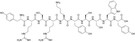
Exendin-3 is a 39-amino acid peptide originally isolated from the venom of the Gila monster (Heloderma suspectum). It shares structural similarities with glucagon-like peptide-1 (GLP-1), a hormone that plays a crucial role in regulating blood glucose levels. Exendin-3 has been shown to bind to the GLP-1 receptor, activating downstream signaling pathways that mimic the effects of GLP-1. This interaction has led to its investigation as a potential treatment for type 2 diabetes and other metabolic disorders.
Exendin-3 and Immune Modulation
Recent studies have suggested that Exendin-3 may also have immunomodulatory properties, meaning it can influence the function of the immune system. The immune system is a complex network of cells, tissues, and organs that work together to defend the body against pathogens and foreign substances. Dysregulation of the immune system can lead to a variety of diseases, including autoimmune disorders, allergies, and infections.
One of the key ways Exendin-3 may affect the immune system is through its ability to regulate inflammation. Inflammation is a natural response of the immune system to injury or infection, but chronic inflammation can contribute to the development of many diseases. Exendin-3 has been shown to reduce the production of pro-inflammatory cytokines, such as tumor necrosis factor-alpha (TNF-α) and interleukin-6 (IL-6), in various cell types. These cytokines are involved in the initiation and propagation of the inflammatory response, and their overproduction can lead to tissue damage and disease.
In addition to its anti-inflammatory effects, Exendin-3 may also modulate the function of immune cells. For example, studies have shown that Exendin-3 can enhance the activity of regulatory T cells (Tregs), a subset of T cells that play a crucial role in maintaining immune homeostasis and preventing autoimmune diseases. Tregs suppress the activation and proliferation of other immune cells, thereby preventing excessive immune responses. By increasing the number and function of Tregs, Exendin-3 may help to restore immune balance and reduce the risk of autoimmune diseases.
Another potential mechanism by which Exendin-3 affects the immune system is through its interaction with the gut microbiota. The gut microbiota is a complex community of microorganisms that live in the gastrointestinal tract and play a crucial role in maintaining health. Dysbiosis, or an imbalance in the gut microbiota, has been associated with a variety of diseases, including inflammatory bowel disease, obesity, and diabetes. Exendin-3 has been shown to modulate the composition and function of the gut microbiota, promoting the growth of beneficial bacteria and reducing the abundance of harmful bacteria. This modulation of the gut microbiota may have a positive impact on the immune system by enhancing the production of short-chain fatty acids (SCFAs), which have anti-inflammatory and immunomodulatory properties.

Potential Therapeutic Applications
The immunomodulatory properties of Exendin-3 have led to its investigation as a potential therapeutic agent for a variety of diseases. In addition to its potential use in the treatment of type 2 diabetes, Exendin-3 may have applications in the treatment of autoimmune diseases, such as rheumatoid arthritis, multiple sclerosis, and inflammatory bowel disease. These diseases are characterized by chronic inflammation and dysregulation of the immune system, and Exendin-3's anti-inflammatory and immunomodulatory effects may help to reduce disease activity and improve patient outcomes.
Exendin-3 may also have potential applications in the field of cancer immunotherapy. Cancer is a complex disease that is often associated with immune evasion, where cancer cells are able to avoid detection and destruction by the immune system. Exendin-3's ability to enhance the function of the immune system may help to overcome immune evasion and improve the effectiveness of cancer immunotherapy. For example, Exendin-3 may be used in combination with other immunotherapeutic agents, such as checkpoint inhibitors, to enhance the immune response against cancer cells.
Comparison with Other Peptides
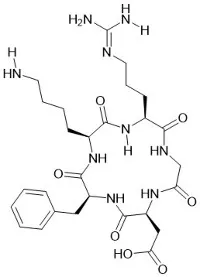
In the field of peptide research, there are several other peptides that have been investigated for their immunomodulatory properties. For instance, Cyclo(RGDyC) is a cyclic peptide that has been shown to have anti-inflammatory and anti-angiogenic effects. It can interact with integrin receptors on the surface of cells, modulating cell adhesion and migration, which are important processes in the immune response.
Parasin I is another peptide with immunomodulatory potential. It has antibacterial and immunostimulatory properties, and it can enhance the activity of immune cells such as macrophages and neutrophils. This peptide has been studied for its potential use in the treatment of infections and inflammatory diseases.
Eledoisin is a peptide that has been shown to have various physiological effects, including vasodilation and smooth muscle contraction. It may also have immunomodulatory effects, although its exact mechanisms of action in the immune system are still being investigated.
Future Research Directions
While the current evidence suggests that Exendin-3 has immunomodulatory properties, further research is needed to fully understand its mechanisms of action and potential therapeutic applications. Future studies should focus on elucidating the specific signaling pathways involved in Exendin-3's immunomodulatory effects, as well as its effects on different cell types and tissues. In addition, more research is needed to determine the optimal dosage and administration route of Exendin-3 for different diseases.
Another important area of future research is the development of novel formulations and delivery systems for Exendin-3. Peptides are often susceptible to degradation and have poor bioavailability, which can limit their therapeutic efficacy. The development of novel formulations and delivery systems, such as nanoparticles and liposomes, may help to improve the stability and bioavailability of Exendin-3, thereby enhancing its therapeutic potential.
Conclusion
In conclusion, Exendin-3 is a promising peptide with potential immunomodulatory properties. Its ability to regulate inflammation, modulate the function of immune cells, and interact with the gut microbiota makes it a potential therapeutic agent for a variety of diseases, including autoimmune diseases, cancer, and metabolic disorders. As a supplier of Exendin-3, I am excited about the potential of this peptide and look forward to seeing further research and development in this area.
If you are interested in learning more about Exendin-3 or exploring its potential applications in your research, I encourage you to contact us for more information. Our team of experts is available to provide you with high-quality Exendin-3 products and support to help you advance your research.
References
- Drucker DJ. The biology of incretin hormones. Cell Metab. 2006;3(3):153-165.
- Campbell LV, Drucker DJ. Mechanisms linking obesity to impaired incretin action and type 2 diabetes. Nat Rev Endocrinol. 2013;9(12):710-721.
- Holst JJ. The physiology of glucagon-like peptide 1. Physiol Rev. 2007;87(4):1409-1439.
- Kim SK, Egan JM. Incretin-based therapies for type 2 diabetes mellitus. Nat Rev Drug Discov. 2012;11(1):121-135.
- Rahmouni K, Haynes WG. Inflammation and the sympathetic nervous system in metabolic syndrome and diabetes. Nat Rev Endocrinol. 2012;8(9):536-544.