





Exendin-4 is a peptide that has drawn significant attention in the scientific and medical communities due to its profound impact on appetite regulation. As a trusted supplier of Exendin-4, I've witnessed firsthand the growing interest in this remarkable peptide and its potential applications. In this blog, I'll delve into how Exendin-4 affects appetite, exploring the underlying mechanisms and the implications for various health conditions.
Understanding Exendin-4
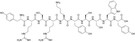
Exendin-4 is a 39-amino acid peptide that was originally isolated from the saliva of the Gila monster, a venomous lizard native to the southwestern United States and northwestern Mexico. It shares significant structural homology with glucagon-like peptide-1 (GLP-1), a hormone produced in the gut that plays a crucial role in glucose metabolism and appetite regulation.
Exendin-4 acts as a potent agonist of the GLP-1 receptor, binding to it with high affinity and activating downstream signaling pathways. This interaction mimics the effects of GLP-1, but with a longer duration of action due to its resistance to degradation by dipeptidyl peptidase-4 (DPP-4), an enzyme that rapidly inactivates GLP-1 in the body.
Mechanisms of Appetite Regulation by Exendin-4
Central Nervous System Effects
One of the primary ways Exendin-4 affects appetite is by acting on the central nervous system (CNS), particularly in the hypothalamus, a region of the brain that plays a key role in regulating hunger and satiety. When Exendin-4 binds to GLP-1 receptors in the hypothalamus, it activates a series of signaling cascades that ultimately lead to a decrease in food intake.
These signaling pathways involve the release of neurotransmitters such as dopamine, serotonin, and neuropeptide Y (NPY), which are known to regulate appetite and food reward. By modulating the activity of these neurotransmitters, Exendin-4 can reduce feelings of hunger and increase feelings of fullness, leading to a decrease in overall food consumption.
Peripheral Effects
In addition to its central effects, Exendin-4 also has direct effects on the gastrointestinal (GI) tract. When administered, it slows down gastric emptying, the process by which food moves from the stomach into the small intestine. This delay in gastric emptying allows for more time for nutrients to be absorbed and for the body to sense satiety.
Exendin-4 also stimulates the release of other gut hormones, such as peptide YY (PYY) and glucagon, which further contribute to appetite regulation. PYY is released in response to food intake and acts on the brain to reduce appetite, while glucagon helps to regulate blood glucose levels and can also have an inhibitory effect on food intake.
Interaction with Other Peptides
Exendin-4 may also interact with other peptides in the body to regulate appetite. For example, Prepro-TRH (178-199) is a peptide that has been shown to have effects on appetite and energy metabolism. It's possible that Exendin-4 and Prepro-TRH (178-199) may work together or in opposition to regulate appetite, although more research is needed to fully understand these interactions.
Similarly, Physalaemin and Proctolin are peptides that have been studied for their effects on the GI tract and smooth muscle function. These peptides may also interact with Exendin-4 in the context of appetite regulation, highlighting the complex interplay between different peptides in the body.
Implications for Health and Disease
Obesity
The ability of Exendin-4 to reduce appetite and promote weight loss makes it a promising therapeutic agent for the treatment of obesity. Clinical trials have shown that Exendin-4 can lead to significant weight loss in obese individuals, along with improvements in metabolic parameters such as blood glucose, insulin sensitivity, and lipid profiles.
By targeting multiple pathways involved in appetite regulation, Exendin-4 offers a more comprehensive approach to weight management compared to traditional anti-obesity medications, which often target a single neurotransmitter or hormone.
Diabetes
Exendin-4 also has beneficial effects on glucose metabolism, making it a valuable treatment option for patients with type 2 diabetes. In addition to its appetite-suppressing effects, Exendin-4 stimulates insulin secretion in a glucose-dependent manner, which helps to lower blood glucose levels without increasing the risk of hypoglycemia.
The combination of appetite reduction and improved glucose control makes Exendin-4 an attractive option for patients with both obesity and type 2 diabetes, as it can address multiple aspects of their metabolic syndrome.
Our Exendin-4 Offering
As a supplier of Exendin-4, we are committed to providing high-quality peptides that meet the strictest standards of purity and quality. Our Exendin-4 is synthesized using state-of-the-art techniques and undergoes rigorous quality control testing to ensure its identity, purity, and biological activity.
We offer Exendin-4 in various quantities and formulations to meet the needs of researchers, pharmaceutical companies, and other customers. Whether you're conducting basic research on appetite regulation or developing new therapies for obesity and diabetes, our Exendin-4 can provide a reliable and effective tool for your studies.
Contact Us for Procurement
If you're interested in learning more about our Exendin-4 product or have any questions about its applications, please don't hesitate to contact us. We're here to provide you with the information and support you need to make informed decisions about your research and development projects.
Our team of experts is available to answer your questions, provide technical assistance, and discuss your specific requirements. We look forward to working with you to advance the field of appetite regulation and improve the health and well-being of individuals around the world.

References
- Drucker DJ. The biology of incretin hormones. Cell Metab. 2006;3(3):153-165.
- Nauck MA, Meier JJ. The role of GLP-1 receptor agonists in the treatment of type 2 diabetes mellitus. Nat Rev Endocrinol. 2013;9(9):512-523.
- Cummings DE, Overduin J. Gastrointestinal regulation of food intake. J Clin Invest. 2007;117(1):13-23.
- Schwartz MW, Woods SC, Porte D Jr, Seeley RJ, Baskin DG. Central nervous system control of food intake. Nature. 2000;404(6778):661-671.