




Hey there! As a supplier of TRAP - 5, I've been getting a lot of questions lately about how insulin affects TRAP - 5 levels. So, I thought I'd sit down and write a blog post to share what I've learned from my research and experience in the field.
First off, let's quickly go over what TRAP - 5 and insulin are. TRAP - 5, or tartrate - resistant acid phosphatase 5, is an enzyme that's mainly produced by osteoclasts, the cells responsible for breaking down bone tissue. Measuring TRAP - 5 levels can give us valuable insights into bone metabolism and conditions like osteoporosis. On the other hand, insulin is a hormone produced by the pancreas. It plays a crucial role in regulating blood sugar levels by allowing cells to take in glucose from the bloodstream.
Now, the relationship between insulin and TRAP - 5 is quite complex. Insulin has a wide range of effects on the body, and some of these effects can indirectly influence TRAP - 5 levels.
One of the key ways insulin affects TRAP - 5 is through its impact on bone metabolism. Insulin is known to have anabolic effects on bone. It promotes the proliferation and differentiation of osteoblasts, the cells that build bone. When osteoblasts are more active, they secrete various factors that can influence the activity of osteoclasts. For example, insulin can increase the production of insulin - like growth factor 1 (IGF - 1) by osteoblasts. IGF - 1, in turn, can inhibit the formation and activity of osteoclasts. Since TRAP - 5 is produced by osteoclasts, a decrease in osteoclast activity due to insulin - stimulated IGF - 1 production can lead to lower TRAP - 5 levels.
Another aspect to consider is the role of insulin in energy metabolism. Insulin helps cells take up glucose, which is used as an energy source. In a state of insulin deficiency, like in type 1 diabetes, cells can't efficiently take up glucose. This can lead to an increase in the breakdown of fat and protein for energy. In the context of bone, this metabolic shift can cause an imbalance in bone remodeling. Osteoclast activity may increase as the body tries to release calcium and other minerals from the bone. As a result, TRAP - 5 levels may rise in individuals with poorly controlled diabetes.
In addition, insulin can also affect the immune system. There's a close link between the immune system and bone metabolism. Some immune cells can secrete cytokines that influence osteoclast activity. Insulin has immunomodulatory effects, and it can regulate the production of these cytokines. For instance, insulin can suppress the production of pro - inflammatory cytokines like tumor necrosis factor - alpha (TNF - α) and interleukin - 6 (IL - 6). These cytokines are known to stimulate osteoclast formation and activity. By reducing their production, insulin can potentially lower TRAP - 5 levels.
Now, let's talk about some real - world implications. In clinical settings, measuring TRAP - 5 levels can be useful for assessing the risk of bone loss in patients with diabetes. If a diabetic patient has high TRAP - 5 levels, it may indicate increased osteoclast activity and a higher risk of osteoporosis. Monitoring these levels can help doctors make more informed decisions about treatment, such as prescribing medications to prevent bone loss.
Moreover, understanding the relationship between insulin and TRAP - 5 can also have implications for research. Scientists can explore new treatment strategies that target this interaction to improve bone health in patients with diabetes and other metabolic disorders.
When it comes to our products as a TRAP - 5 supplier, our high - quality TRAP - 5 assays can be a valuable tool for researchers and clinicians. These assays can accurately measure TRAP - 5 levels in various biological samples, providing reliable data for studies on bone metabolism and the effects of insulin.
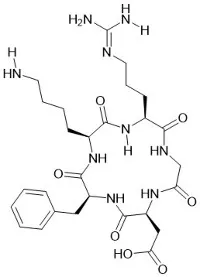
If you're interested in other related peptides, we also offer a range of products. For example, [D - Phe2] VIP (human, Bovine, Porcine, Rat) [https://www.ab.com/catalogue - peptides/d - phe2 - vip - human - bovine - porcine - rat.html] and Galanin (1 - 16) (mouse, Porcine, Rat) [https://www.ab.com/catalogue - peptides/galanin - 1 - 16 - mouse - porcine - rat.html] are available in our catalogue. And don't forget about Substance P (6 - 11)/Hexa - Substance P [https://www.ab.com/catalogue - peptides/substance - p - 6 - 11 - hexa - substance - p.html], which may also be relevant to your research.
If you're involved in research on bone metabolism, diabetes, or any related fields, and you're interested in purchasing our TRAP - 5 products or other peptides, we'd love to hear from you. Whether you're a small research lab or a large pharmaceutical company, we can provide you with the products you need. Just reach out to us, and we can start discussing your specific requirements.
In conclusion, the relationship between insulin and TRAP - 5 is a fascinating area of study. It has important implications for understanding bone health, especially in the context of diabetes and metabolic disorders. Our TRAP - 5 products can play a crucial role in advancing research in this field. So, if you're looking for reliable TRAP - 5 assays or other related peptides, don't hesitate to contact us for a purchase and start a great business partnership.
References
- Canalis E, Delany AM, Stein GS, et al. Insulin-like growth factor actions in bone. Endocr Rev. 2003;24(5):535 - 559.
- Pacifici R. Immunology of bone loss. Arthritis Res Ther. 2006;8(5):223.
- Rizzoli R, Bonjour JP. Insulin and bone. Diabetes Metab Res Rev. 2005;21(6):431 - 442.