




RVG29 - Cys is a peptide that has been attracting increasing attention in the scientific community, particularly in the field of cell biology. As a reliable supplier of RVG29 - Cys, I am excited to delve into the topic of how this unique peptide affects cell proliferation.
Introduction to RVG29 - Cys
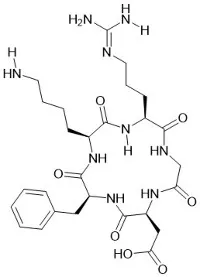
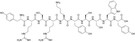
RVG29 - Cys is a modified form of the RVG29 peptide. RVG29 is a short peptide derived from the rabies virus glycoprotein (RVG). The addition of a cysteine residue (Cys) to RVG29 can potentially alter its properties and functions. This modification may affect its solubility, stability, and its ability to interact with other molecules, which in turn can have an impact on cell - related processes such as proliferation.
Mechanisms of Cell Proliferation
Before discussing how RVG29 - Cys affects cell proliferation, it is essential to understand the basic mechanisms of cell proliferation. Cell proliferation is a complex process that involves the growth, division, and replication of cells. It is tightly regulated by a variety of factors, including growth factors, cytokines, and signaling pathways such as the MAPK/ERK pathway, PI3K/Akt pathway, and the Wnt/β - catenin pathway.
Growth factors bind to specific receptors on the cell surface, activating intracellular signaling cascades. These signaling pathways then regulate the expression of genes involved in cell cycle progression, DNA synthesis, and cell survival. For example, the MAPK/ERK pathway is activated by growth factors such as epidermal growth factor (EGF) and fibroblast growth factor (FGF). Once activated, it phosphorylates downstream transcription factors, leading to the up - regulation of genes required for cell cycle entry and progression from the G1 to the S phase.
Potential Effects of RVG29 - Cys on Cell Proliferation
1. Interaction with Cell Surface Receptors
RVG29 - Cys may interact with cell surface receptors. The rabies virus glycoprotein from which RVG29 is derived has a high affinity for the nicotinic acetylcholine receptor (nAChR) expressed on neuronal cells. It is possible that RVG29 - Cys retains some of this binding affinity. When RVG29 - Cys binds to nAChR or other cell surface receptors, it can trigger intracellular signaling events.
If the binding activates a signaling pathway that promotes cell proliferation, such as the PI3K/Akt pathway, it may lead to an increase in cell proliferation. For instance, activation of PI3K/Akt can phosphorylate and inactivate proteins that inhibit the cell cycle, allowing cells to progress through the cell cycle more rapidly. On the other hand, if RVG29 - Cys binding inhibits a receptor that is essential for cell proliferation, it could lead to a decrease in cell growth.
2. Regulation of Gene Expression
Another way RVG29 - Cys may affect cell proliferation is by regulating gene expression. It can potentially enter the cell and interact with transcription factors or other nuclear proteins. For example, it may bind to specific DNA sequences or modify the activity of transcription factors, thereby altering the expression of genes involved in cell proliferation, such as cyclins and cyclin - dependent kinases (CDKs).
Cyclins and CDKs are key regulators of the cell cycle. Cyclins bind to CDKs, activating them and allowing for the phosphorylation of target proteins that are necessary for cell cycle progression. If RVG29 - Cys up - regulates the expression of cyclins or CDKs, it can promote cell proliferation. Conversely, down - regulation of these genes may lead to cell cycle arrest and reduced proliferation.
3. Impact on Cell Membrane Integrity
The cysteine residue in RVG29 - Cys may have an impact on cell membrane integrity. Cysteine can form disulfide bonds, which can affect the peptide's conformation and its interaction with the cell membrane. If RVG29 - Cys disrupts the cell membrane, it can lead to the leakage of cellular contents and ultimately cell death, which would significantly reduce cell proliferation.
However, in some cases, a mild disruption of the cell membrane by RVG29 - Cys may trigger a stress response in the cell. This stress response can activate repair mechanisms and signaling pathways that promote cell growth as a compensatory mechanism.
Experimental Evidence
Although research on the specific effects of RVG29 - Cys on cell proliferation is still in its early stages, some related studies can provide insights. For example, studies on the parent RVG29 peptide have shown its ability to cross the blood - brain barrier and deliver cargos to neuronal cells. This indicates its potential to interact with cells and modulate cellular functions.
In in vitro cell culture experiments, it is possible to measure the effects of RVG29 - Cys on cell proliferation using methods such as the MTT assay, which measures the metabolic activity of cells as an indicator of cell viability and proliferation. By treating cells with different concentrations of RVG29 - Cys and comparing the results with untreated control cells, we can determine whether RVG29 - Cys promotes or inhibits cell proliferation.
Comparison with Other Peptides
In the world of peptides, there are various other molecules that can affect cell proliferation. For example, Peptide YY (3 - 36) (human) is a peptide that has been shown to regulate appetite and energy homeostasis. It can also have effects on cell growth in some tissues. Similarly, Urechistachykinin II and Proctolin are peptides with different biological functions, and they may also influence cell proliferation in their respective target cells.
Compared to these peptides, RVG29 - Cys has a unique origin and potential mode of action. Its ability to target specific receptors, such as nAChR, may give it a distinct advantage in modulating cell proliferation in neuronal or other nAChR - expressing cells.
Implications for Research and Applications
Understanding how RVG29 - Cys affects cell proliferation has significant implications for both basic research and potential applications. In basic research, it can help us to better understand the complex mechanisms of cell growth and regulation. It may also provide new insights into the role of peptides in cellular processes.
In terms of applications, if RVG29 - Cys is found to promote cell proliferation in a controlled manner, it could be used in tissue engineering and regenerative medicine. For example, it could be incorporated into scaffolds to enhance the growth of cells and the regeneration of damaged tissues. On the other hand, if it is shown to inhibit cell proliferation, it may have potential as an anti - cancer agent.
Conclusion and Call to Action
In conclusion, RVG29 - Cys is a peptide with the potential to significantly affect cell proliferation through various mechanisms, including interaction with cell surface receptors, regulation of gene expression, and impact on cell membrane integrity. However, more research is needed to fully understand its effects and the underlying molecular mechanisms.
As a supplier of high - quality RVG29 - Cys, we are committed to supporting the scientific community in exploring the potential of this peptide. If you are interested in purchasing RVG29 - Cys for your research or have any questions about its properties and applications, please feel free to contact us for further discussions and procurement details.
References
- Kumar, A., & Takahashi, H. (2018). Rabies virus glycoprotein: Structure, function and evolution. Virus Research, 253, 132 - 144.
- Malumbres, M., & Barbacid, M. (2009). Cell cycle, CDKs and cancer: A changing paradigm. Nature Reviews Cancer, 9(3), 153 - 166.
- Kaelin Jr, W. G., & McKnight, S. L. (2013). Cell - cycle control and cancer. Nature, 491(7424), 355 - 365.