




Yo, fellow plant enthusiasts! I'm stoked to be here as a Systemin supplier to chat about how this amazing peptide responds to stress in plants. It's like a superhero for our green friends, stepping in when things get tough.
Let's start with the basics. Systemin is a small peptide that plants use as a signaling molecule. It's kind of like a plant's way of sending out an SOS when it's under stress. When a plant gets damaged, say by a pesky insect munching on its leaves or a harsh environmental condition like drought, Systemin comes into play.
When a plant is injured, the damaged cells release Systemin. This peptide then travels through the plant's vascular system, kind of like a highway for signals. As it moves around, it binds to specific receptors on the surface of other cells. These receptors are like the plant's ears, listening for the Systemin signal.
Once Systemin binds to the receptors, it sets off a whole chain of events inside the cell. It activates a series of genes that are involved in the plant's defense response. These genes produce proteins that help the plant fight off the stress. For example, some of these proteins might be enzymes that break down the toxins produced by insects or help the plant tolerate drought conditions.
One of the really cool things about Systemin is that it can trigger a systemic response. That means that even parts of the plant that aren't directly damaged can start to defend themselves. It's like the plant is warning its other parts, "Hey, there's trouble coming, get ready!"
Now, let's talk about the different types of stress that Systemin can help plants deal with. First up is herbivore attack. When an insect starts chomping on a plant, the damage to the leaves releases Systemin. The plant then starts producing chemicals that make its leaves taste bad or are toxic to the insects. This can deter the insects from eating more of the plant and can even kill them.
Another type of stress is mechanical damage. This could be caused by things like strong winds, hail, or even human activities. When the plant is physically damaged, Systemin is released, and the plant activates its defense mechanisms. It might produce proteins that help repair the damaged tissue or strengthen the cell walls to prevent further damage.
Environmental stressors like drought and high salinity can also trigger a Systemin response. In these cases, Systemin helps the plant adjust its physiology to better tolerate the harsh conditions. For example, it might help the plant conserve water by closing its stomata (tiny pores on the leaves) or by increasing the production of osmolytes, which are molecules that help the plant maintain its water balance.
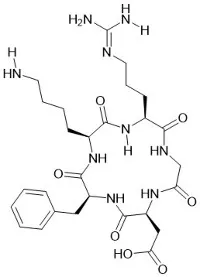
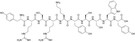
Now, I want to mention a few related peptides that are also involved in plant stress responses. Check out Urechistachykinin II, Substance P (1 - 7), and Osteocalcin (7 - 19) (human). These peptides have their own unique roles in the plant's defense system and can work together with Systemin to keep the plant healthy.
As a Systemin supplier, I know how important it is to have high - quality Systemin for research and agricultural applications. Whether you're a scientist studying plant biology or a farmer looking to boost your crop's resistance to stress, having a reliable source of Systemin is key.
Our Systemin is carefully produced to ensure its purity and effectiveness. We use the latest techniques to extract and purify Systemin, so you can be confident that you're getting a top - notch product.
If you're interested in learning more about how Systemin can benefit your plants or if you want to place an order, don't hesitate to reach out. We're always happy to have a chat and help you find the right solution for your needs. Whether you're just starting out with plant stress research or you're an experienced pro, we're here to support you.
In conclusion, Systemin is an amazing peptide that plays a crucial role in helping plants respond to stress. It's like a natural defense mechanism that plants have evolved over time. By understanding how Systemin works, we can use it to our advantage to protect our plants and improve crop yields. So, if you're in the market for Systemin, give us a shout, and let's work together to keep your plants healthy and happy.
References
- Farmer, E. E., & Ryan, C. A. (1992). Octadecanoid precursors of jasmonic acid activate the synthesis of wound - induced proteinase inhibitors. The Plant Cell, 4(10), 129 - 134.
- Schilmiller, A. L., & Howe, G. A. (2005). Fatty acid - derived signals in plant defense. Current Opinion in Plant Biology, 8(4), 365 - 371.
- Ryan, C. A. (2000). The systemin signaling pathway: differential activation of plant defensive genes. Biochimie, 82(10 - 11), 843 - 851.