




Cold stress is one of the most significant environmental factors that limit plant growth, development, and productivity. Plants have evolved complex mechanisms to sense and respond to cold stress, which involve a variety of signaling molecules and pathways. Systemin, a well - known plant peptide, has been shown to play a role in multiple stress responses, including cold stress. In this blog, as a Systemin supplier, I will delve into how Systemin works in plant cold stress response.
Systemin: An Overview
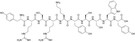
Systemin is an 18 - amino - acid polypeptide first discovered in tomato plants. It was initially identified as a signal molecule involved in the systemic wound response. When a plant is wounded, Systemin is released and activates a series of defense responses, including the synthesis of protease inhibitors, which can protect the plant from herbivores. The discovery of Systemin opened up a new area of research in plant peptide signaling.
Since its discovery, studies have shown that Systemin is not only involved in wound responses but also participates in other stress responses. Cold stress can cause a series of physiological and biochemical changes in plants, such as membrane damage, oxidative stress, and changes in gene expression. Systemin may act as a key regulator in the plant's response to these cold - induced changes.
Systemin and Cold - Induced Signaling Pathways
Calcium Signaling
Calcium ions (Ca²⁺) are important second messengers in plant cells. Cold stress can rapidly trigger an increase in the cytosolic Ca²⁺ concentration. Systemin has been found to be involved in modulating this calcium signaling. When Systemin binds to its receptor on the cell membrane, it can activate calcium channels, leading to an influx of Ca²⁺ into the cytosol. This increase in Ca²⁺ concentration can then activate downstream calcium - dependent protein kinases (CDPKs). CDPKs play a crucial role in phosphorylating various target proteins, which in turn regulate gene expression related to cold tolerance. For example, some CDPKs can phosphorylate transcription factors that bind to the promoters of cold - responsive genes, such as C - repeat binding factors (CBFs). CBFs are key regulators of the cold - acclimation process in plants, and their activation can lead to the expression of a large number of cold - responsive genes.
Hormonal Signaling
Plant hormones also play important roles in the cold stress response. Systemin can interact with hormonal signaling pathways. For instance, it can enhance the synthesis and signaling of abscisic acid (ABA). ABA is a well - known stress hormone that accumulates in plants under cold stress. Systemin may promote the expression of genes involved in ABA biosynthesis, leading to an increase in ABA levels. ABA can then induce stomatal closure, reduce water loss, and regulate the expression of cold - responsive genes.
In addition to ABA, Systemin may also interact with other hormones such as jasmonic acid (JA). JA is involved in plant defense responses and has been shown to play a role in cold tolerance. Systemin can stimulate the production of JA, which can further activate defense - related genes and enhance the plant's ability to withstand cold stress.
Systemin and Cold - Induced Gene Expression
Activation of Cold - Responsive Genes
Systemin can directly or indirectly regulate the expression of cold - responsive genes. As mentioned above, through calcium and hormonal signaling pathways, Systemin can activate transcription factors that bind to the promoters of cold - responsive genes. For example, the CBF pathway is a major cold - responsive pathway in plants. Systemin can enhance the expression of CBF genes, which then bind to the C - repeat/DRE (dehydration - responsive element) motifs in the promoters of downstream cold - responsive genes, such as COR (cold - regulated) genes. The expression of COR genes can lead to the production of proteins that protect plant cells from cold damage, such as antifreeze proteins and late embryogenesis abundant (LEA) proteins.
Repression of Genes Involved in Growth and Development
Cold stress often requires plants to re - allocate resources from growth and development to stress defense. Systemin can contribute to this resource re - allocation by repressing the expression of genes involved in growth and development. For example, it can inhibit the expression of genes related to cell division and elongation. This allows the plant to focus its energy on cold tolerance mechanisms, such as the synthesis of protective proteins and the maintenance of membrane integrity.
Systemin and Membrane Integrity
Cold stress can cause damage to the cell membrane, leading to electrolyte leakage and loss of membrane function. Systemin can help maintain membrane integrity under cold stress. It can regulate the expression of genes involved in lipid metabolism. For example, it can promote the synthesis of unsaturated fatty acids, which can increase the fluidity of the cell membrane. A more fluid membrane is less likely to be damaged by cold - induced phase transitions.
In addition, Systemin can also enhance the activity of antioxidant enzymes, such as superoxide dismutase (SOD), catalase (CAT), and peroxidase (POD). Cold stress can generate reactive oxygen species (ROS), which can cause oxidative damage to the cell membrane. Antioxidant enzymes can scavenge ROS, protecting the membrane from oxidative damage.
Related Peptides in the Context of Stress Response
In the field of peptide - mediated stress responses in plants and other biological systems, there are several related peptides worth mentioning. Substance P is a neuropeptide in animals, but it also has some similarities in function with Systemin in terms of signaling. It is involved in pain perception and inflammation responses in animals, similar to how Systemin is involved in stress - related signaling in plants.
Fibrinopeptide B (human) is a peptide involved in the blood - clotting process in humans. Although its direct connection to plant cold stress response is not obvious, the concept of peptide - mediated signaling is similar. Peptides can act as signaling molecules to trigger specific biological processes in different organisms.
PTH (53 - 84) (human) is a fragment of parathyroid hormone. It plays a role in calcium and phosphate metabolism in humans. In plants, as we have seen, calcium signaling is an important part of the cold stress response, highlighting the importance of peptides in regulating key physiological processes across different biological kingdoms.
Implications for Agriculture
Understanding how Systemin works in plant cold stress response has significant implications for agriculture. By manipulating the Systemin signaling pathway, we may be able to develop strategies to improve the cold tolerance of crops. For example, exogenous application of Systemin or its analogs may enhance the cold tolerance of plants. This could be particularly useful in regions where cold snaps can cause significant damage to crops.
As a Systemin supplier, we are well - positioned to provide high - quality Systemin products for researchers and farmers interested in exploring these applications. Our Systemin can be used in laboratory studies to further understand its mechanism of action and in field trials to test its effectiveness in improving crop cold tolerance.
Conclusion
In conclusion, Systemin plays a multifaceted role in the plant's response to cold stress. It is involved in calcium and hormonal signaling pathways, regulates gene expression, maintains membrane integrity, and helps the plant re - allocate resources during cold stress. The knowledge of how Systemin works in plant cold stress response not only deepens our understanding of plant stress biology but also provides potential strategies for improving crop cold tolerance.
If you are interested in learning more about Systemin or would like to discuss potential applications and procurement, please feel free to reach out. We are eager to engage in productive discussions and help you meet your research and agricultural needs.
References
- Pearce, G., Strydom, D., Johnson, S., & Ryan, C. A. (1991). A polypeptide from tomato leaves induces wound - inducible proteinase inhibitor proteins. Science, 253(5021), 895 - 898.
- Thomashow, M. F. (1999). Plant cold acclimation: Freezing tolerance genes and regulatory mechanisms. Annual review of plant physiology and plant molecular biology, 50(1), 571 - 599.
- Zhu, J. K. (2002). Salt and drought stress signal transduction in plants. Annual review of plant biology, 53(1), 247 - 273.