




In the dynamic field of pharmaceutical research, understanding the interactions between different drugs is crucial for developing effective treatment strategies. As a supplier of RVG29, a peptide with significant potential in targeted drug delivery, I am often asked about how RVG29 interacts with other drugs. In this blog post, I will delve into the mechanisms behind these interactions, explore real - world applications, and highlight the implications for the future of medicine.
Understanding RVG29
RVG29 is a 29 - amino - acid peptide derived from the rabies virus glycoprotein. It has a unique ability to cross the blood - brain barrier (BBB), which is a major obstacle in the treatment of many neurological disorders. The BBB is a highly selective semi - permeable membrane that protects the brain from harmful substances in the bloodstream but also restricts the entry of therapeutic agents. RVG29 binds to the acetylcholine receptor expressed on the surface of brain endothelial cells, facilitating its passage through the BBB and enabling targeted drug delivery to the central nervous system. You can find more information about RVG29 on our website RVG29.
Mechanisms of Interaction
Physical and Chemical Interactions
At the most basic level, the interaction between RVG29 and other drugs can occur through physical and chemical processes. For example, RVG29 can form non - covalent bonds such as hydrogen bonds, van der Waals forces, and electrostatic interactions with other drug molecules. These interactions can affect the solubility, stability, and bioavailability of the drugs. If RVG29 forms strong hydrogen bonds with a particular drug, it may change the drug's conformation, which in turn can influence its binding affinity to its target receptor.


Enzyme - Mediated Interactions
Enzymes play a crucial role in drug metabolism and can also be involved in the interaction between RVG29 and other drugs. Some enzymes in the body may recognize RVG29 - drug complexes and metabolize them differently compared to the individual drugs. For instance, cytochrome P450 enzymes, which are responsible for the metabolism of many drugs, may have altered activity when RVG29 is present. This can lead to changes in the pharmacokinetics of the drugs, such as altered clearance rates and half - lives.
Receptor - Mediated Interactions
Since RVG29 has a specific receptor on the blood - brain barrier endothelial cells, it can potentially interact with other drugs at the receptor level. If another drug also binds to the same or a related receptor, there may be competition for binding sites. This competition can affect the uptake of both RVG29 and the other drug into the brain. On the other hand, RVG29 can also act as a carrier to enhance the delivery of other drugs to the receptor - expressing cells. For example, if a drug is conjugated to RVG29, it can be transported across the BBB along with RVG29, increasing its concentration in the brain.
Examples of Interactions with Other Drugs
Interaction with Anti - Cancer Drugs
In the treatment of brain tumors, RVG29 has shown promise in enhancing the delivery of anti - cancer drugs across the BBB. Many traditional anti - cancer drugs have limited efficacy in treating brain tumors because they cannot cross the BBB effectively. When conjugated with RVG29, these drugs can be transported into the brain, where they can target tumor cells more effectively. For example, a study has shown that when a chemotherapy drug is linked to RVG29, it can significantly improve the survival rate of mice with brain tumors compared to the use of the chemotherapy drug alone.
Interaction with Neuroprotective Agents
Neuroprotective agents are used to prevent or slow down the progression of neurological disorders such as Alzheimer's and Parkinson's disease. RVG29 can interact with these agents to improve their delivery to the affected neurons in the brain. By transporting neuroprotective agents across the BBB, RVG29 can increase their concentration in the brain tissue, where they can exert their protective effects more effectively.
Interaction with Peptide Drugs
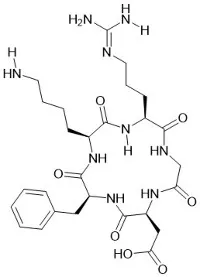
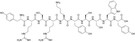
RVG29 can also interact with other peptide drugs. For example, Galanin (porcine) is a peptide with potential neuroprotective and analgesic effects. When RVG29 and Galanin (porcine) are used in combination, RVG29 can help Galanin (porcine) cross the BBB, enhancing its therapeutic potential in the treatment of neurological pain and neurodegenerative diseases. Another example is Cyclo(RGDfK), a cyclic peptide with anti - angiogenic properties. RVG29 can be used to deliver Cyclo(RGDfK) to the brain, where it can inhibit the growth of blood vessels in brain tumors.
Implications for Drug Development
Enhanced Therapeutic Efficacy
The interaction between RVG29 and other drugs offers the potential to enhance the therapeutic efficacy of existing drugs. By improving drug delivery to the target site, especially in the brain, RVG29 can increase the concentration of drugs at the site of action, leading to better treatment outcomes. This is particularly important for diseases that are difficult to treat, such as neurological disorders and brain tumors.
Reduced Side Effects
Since RVG29 enables targeted drug delivery, it can reduce the amount of drug that is distributed to non - target tissues. This can lead to a reduction in side effects associated with the drugs. For example, in the case of chemotherapy drugs, reducing their exposure to healthy tissues can minimize the toxic effects on the body, such as nausea, hair loss, and immunosuppression.
Development of Novel Drug Combinations
The understanding of the interaction between RVG29 and other drugs opens up new possibilities for the development of novel drug combinations. Researchers can design drug cocktails that take advantage of the unique properties of RVG29 to improve the delivery and efficacy of multiple drugs simultaneously. This can lead to the development of more personalized and effective treatment regimens.
Future Directions
Further Research on Interaction Mechanisms
Although significant progress has been made in understanding the interaction between RVG29 and other drugs, there is still much to learn. Future research should focus on elucidating the detailed molecular mechanisms of these interactions, including the role of specific receptors, enzymes, and signaling pathways. This will help to optimize the design of RVG29 - drug conjugates and improve their therapeutic potential.
Clinical Trials
More extensive clinical trials are needed to evaluate the safety and efficacy of RVG29 - drug combinations in humans. These trials will provide valuable data on the real - world performance of these combinations and help to determine the optimal dosage and administration routes.
Expansion of Applications
In addition to neurological disorders and cancer, there is potential to explore the use of RVG29 in other areas of medicine, such as infectious diseases and autoimmune disorders. By understanding how RVG29 interacts with drugs used in these fields, we can develop new treatment strategies that take advantage of its unique delivery properties.
Conclusion
The interaction between RVG29 and other drugs is a complex but fascinating area of research. As a supplier of RVG29, I am excited about the potential of this peptide to revolutionize drug delivery and improve treatment outcomes. The mechanisms of interaction, including physical, chemical, enzyme - mediated, and receptor - mediated interactions, offer numerous opportunities for enhancing the efficacy and reducing the side effects of drugs. The examples of interactions with anti - cancer drugs, neuroprotective agents, and other peptide drugs demonstrate the versatility of RVG29 in different therapeutic applications.
If you are interested in exploring the potential of RVG29 in your research or drug development projects, I encourage you to contact us for more information and to discuss potential procurement. We are committed to providing high - quality RVG29 and supporting your efforts in advancing the field of medicine.
References
- Pardridge WM. The blood - brain barrier: bottleneck in brain drug development. NeuroRx. 2005;2(1):3 - 14.
- Kumar P, et al. RVG - 29 peptide - mediated delivery of siRNA to the central nervous system. Nature Biotechnology. 2007;25(3):321 - 327.
- Zhang Y, et al. Targeted delivery of anti - cancer drugs to the brain using RVG29 - conjugated nanoparticles. Journal of Controlled Release. 2012;161(2):391 - 397.