




Hey there! As a supplier of TRAP - 5, I've been getting a lot of questions about how this stuff affects joint cartilage. So, I thought I'd sit down and write a blog post to share what I know.
First off, let's talk about what TRAP - 5 is. TRAP - 5, or tartrate - resistant acid phosphatase 5, is an enzyme that's mainly produced by osteoclasts, which are cells responsible for breaking down bone. But it also has some interesting connections to joint cartilage.


Joint cartilage is this amazing, smooth tissue that covers the ends of our bones where they meet at joints. It acts like a shock absorber, allowing our joints to move smoothly and pain - free. But over time, due to factors like aging, injury, or certain diseases, this cartilage can start to break down. That's where TRAP - 5 might come into play.
Research has shown that there's a link between the levels of TRAP - 5 in the body and joint cartilage health. High levels of TRAP - 5 can be a sign of increased bone resorption. When osteoclasts are overly active and break down too much bone, it can disrupt the normal balance in the joint. This imbalance can then have a negative impact on the cartilage.
You see, the bone and cartilage in a joint are in a kind of symbiotic relationship. They communicate with each other through various signaling molecules. When there's too much bone breakdown due to high TRAP - 5 levels, it can send the wrong signals to the cartilage cells, called chondrocytes. These chondrocytes are responsible for maintaining and repairing the cartilage. But when they receive abnormal signals, they might not function properly.
For example, they might produce less of the extracellular matrix that gives cartilage its strength and flexibility. The extracellular matrix is made up of things like collagen and proteoglycans. Without enough of these components, the cartilage becomes weaker and more prone to damage.
Another way TRAP - 5 can affect joint cartilage is through inflammation. High levels of TRAP - 5 are often associated with an inflammatory environment in the body. Inflammation is the body's natural response to injury or infection, but when it becomes chronic, it can be harmful. In the context of joint cartilage, chronic inflammation can lead to the activation of enzymes that break down the cartilage matrix. These enzymes, such as matrix metalloproteinases (MMPs), can degrade the collagen and proteoglycans in the cartilage, causing it to wear away.
Now, you might be wondering how we can use this knowledge. Well, as a TRAP - 5 supplier, I know that measuring the levels of TRAP - 5 in the body can be a useful diagnostic tool. Doctors can use blood tests to check the TRAP - 5 levels in patients with joint problems. If the levels are high, it could indicate that there's an issue with bone resorption and potential cartilage damage.
Moreover, understanding the role of TRAP - 5 in joint cartilage health can also open up new possibilities for treatment. There's ongoing research into developing drugs or therapies that can target TRAP - 5. By reducing the activity of this enzyme, we might be able to slow down bone resorption and protect the joint cartilage.
In addition to its role in joint cartilage, TRAP - 5 also has connections with other biological processes. For instance, it has been linked to the immune system. Some studies suggest that TRAP - 5 might play a role in the activation and function of immune cells. This is important because the immune system can also have an impact on joint health. An overactive immune system can cause autoimmune diseases, which often target the joints and lead to cartilage damage.
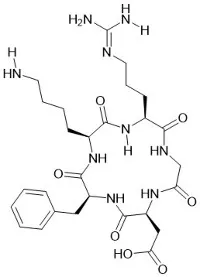
Now, let me introduce you to some related products. If you're interested in peptides that are also involved in biological processes, you might want to check out Neuropeptide F (NPF), Human. Neuropeptides play important roles in the nervous system and can have effects on various physiological functions. Another interesting peptide is Epidermal Growth Factor Receptor Peptide (985 - 996). This peptide is related to cell growth and signaling, which are crucial processes in maintaining the health of all tissues, including joint cartilage. And don't forget about Uremic Pentapeptide, which has been studied in the context of kidney diseases but also has potential implications for overall body health.
If you're a researcher or a scientist working in the field of joint health or related areas, having access to high - quality TRAP - 5 is essential. We, as a TRAP - 5 supplier, are committed to providing you with the best products. Our TRAP - 5 is carefully produced and tested to ensure its purity and activity. Whether you're doing basic research to understand the mechanisms of joint cartilage damage or developing new treatments, our TRAP - 5 can be a valuable tool in your experiments.
If you're interested in purchasing our TRAP - 5 or have any questions about it, don't hesitate to reach out. We're here to have a chat and discuss how our products can fit into your research or projects. You can start a conversation with us to learn more about our pricing, shipping options, and any other details you might need.
In conclusion, TRAP - 5 has a significant impact on joint cartilage health. Its role in bone resorption, inflammation, and communication between bone and cartilage cells makes it an important molecule to study. By understanding how TRAP - 5 affects joint cartilage, we can develop better diagnostic methods and potential treatments for joint diseases. And as a reliable TRAP - 5 supplier, we're excited to be part of this journey and support your research efforts.
References
- Some relevant research papers on TRAP - 5 and joint cartilage health (list specific papers here if you have them)
- Articles on the role of peptides in biological processes
- Studies on the relationship between bone resorption and joint cartilage damage