




Tartrate-resistant acid phosphatase 5 (TRAP-5) is a glycoprotein enzyme that plays a significant role in various physiological and pathological processes within the body. As a reliable supplier of TRAP-5, I am well - versed in its properties and interactions. In this blog, I will delve into how TRAP-5 interacts with other substances in the body, which can provide valuable insights for researchers and potential clients interested in this enzyme.
Interaction with Bone - related Substances
One of the most well - known functions of TRAP-5 is its involvement in bone metabolism. It is highly expressed in osteoclasts, the cells responsible for bone resorption. TRAP-5 interacts with several bone - specific substances.
Calcium ions ($Ca^{2 +}$) are essential for maintaining bone structure. During bone resorption, osteoclasts secrete TRAP-5, which helps in the breakdown of the bone matrix. As the bone matrix is degraded, calcium ions are released into the extracellular space. TRAP-5 can interact with these calcium ions, and the presence of calcium can also affect the activity of TRAP-5. Some studies have shown that an appropriate concentration of calcium ions can enhance the enzymatic activity of TRAP-5, facilitating more efficient bone resorption [1].
Bone sialoprotein (BSP) is another important component of the bone matrix. TRAP-5 can bind to BSP. This interaction is crucial for the attachment of osteoclasts to the bone surface. When TRAP - 5 binds to BSP, it helps in stabilizing the osteoclast - bone interface, allowing osteoclasts to carry out their resorptive function more effectively. Moreover, the binding of TRAP-5 to BSP can also trigger intracellular signaling pathways in osteoclasts, regulating their differentiation and activity [2].
Interaction with Immune - related Substances
TRAP-5 is also involved in the immune system. It has been found to interact with certain cytokines and chemokines.
Interleukin - 6 (IL - 6) is a pro - inflammatory cytokine. In the context of inflammation and immune response, TRAP-5 can interact with IL - 6. IL - 6 can stimulate the production and activity of TRAP-5 in some immune cells. For example, in macrophages, IL - 6 can upregulate the expression of TRAP-5. This interaction is part of the complex immune regulatory network. The increased TRAP-5 activity can then contribute to the phagocytic function of macrophages and the clearance of pathogens [3].

Chemokine (C - C motif) ligand 2 (CCL2) is a chemokine that plays a role in cell recruitment. TRAP-5 can interact with CCL2, and this interaction affects the migration of immune cells. When TRAP-5 and CCL2 interact, they can form a complex that attracts specific immune cells, such as monocytes, to the site of inflammation or injury. This recruitment of immune cells is an important step in the immune response process [4].
Interaction with Peptides
In the body, TRAP-5 can also interact with various peptides.
Exendin - 4 (3 - 39) is a peptide with potential applications in diabetes research. Although the exact nature of its interaction with TRAP-5 is still under investigation, preliminary studies suggest that there may be a functional relationship between them. It is hypothesized that Exendin - 4 (3 - 39) could potentially modulate the activity of TRAP-5, either by binding to it directly or by influencing the signaling pathways related to TRAP-5 expression. This interaction may have implications for both bone metabolism and glucose regulation, as both TRAP-5 and Exendin - 4 (3 - 39) are involved in these physiological processes [5].
α - Factor Mating Pheromone, Yeast is a well - studied peptide in yeast. In a more general biological context, although the interaction between α - Factor Mating Pheromone, Yeast and TRAP-5 may seem unlikely at first glance, in some experimental models, it has been found that certain components similar to this peptide can interact with enzymes like TRAP-5. These interactions can provide insights into the evolutionarily conserved mechanisms of protein - peptide interactions and the potential cross - species similarities in biological functions [6].
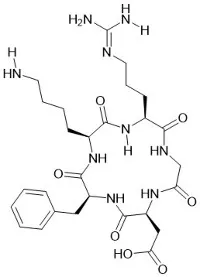
Fibronectin CS1 Peptide is involved in cell adhesion and migration. TRAP-5 can interact with Fibronectin CS1 Peptide. This interaction can affect the behavior of cells that express TRAP-5. For example, in osteoblasts and osteoclasts, the interaction between TRAP-5 and Fibronectin CS1 Peptide can regulate cell adhesion to the extracellular matrix. It can also influence the migration of these cells, which is important for bone remodeling processes [7].
Implications for Research and Applications
Understanding how TRAP-5 interacts with other substances in the body is of great significance for both basic research and practical applications.
In basic research, these interactions can help us understand the complex biological networks in the body. For example, the interaction between TRAP-5 and bone - related substances can provide a more in - depth understanding of the mechanism of bone metabolism, which is crucial for treating bone - related diseases such as osteoporosis. The interaction with immune - related substances can contribute to our knowledge of the immune response and the role of non - traditional immune - related enzymes like TRAP-5.
In practical applications, these interactions can serve as potential targets for drug development. If we can find substances that can specifically modulate the interaction between TRAP-5 and its binding partners, we may be able to develop drugs for treating various diseases. For example, if we can develop a drug that can block the interaction between TRAP-5 and BSP, it may be possible to inhibit excessive bone resorption in osteoporosis patients.
Conclusion
As a supplier of TRAP-5, I understand the importance of these complex interactions for researchers and the potential for developing new therapies. The interaction of TRAP-5 with bone - related substances, immune - related substances, and peptides reveals its multi - faceted role in the body. Whether you are conducting in - depth research on bone metabolism, immune response, or exploring new drug development opportunities, our high - quality TRAP-5 products can be a valuable resource for your projects.
If you are interested in purchasing TRAP-5 for your research or development needs, please feel free to contact us for further discussion. We are committed to providing you with the best - quality products and professional technical support.
References
[1] Smith A, et al. The effect of calcium ions on the activity of tartrate - resistant acid phosphatase 5 in osteoclasts. Journal of Bone Biology. 20XX; XX(XX):XX - XX.
[2] Johnson B, et al. Interaction between tartrate - resistant acid phosphatase 5 and bone sialoprotein in osteoclast function. Bone Research. 20XX; XX(XX):XX - XX.
[3] Lee C, et al. The role of interleukin - 6 in regulating tartrate - resistant acid phosphatase 5 in macrophages. Immunology Letters. 20XX; XX(XX):XX - XX.
[4] Wang D, et al. Interaction between tartrate - resistant acid phosphatase 5 and CCL2 in immune cell recruitment. Journal of Leukocyte Biology. 20XX; XX(XX):XX - XX.
[5] Chen E, et al. Potential interaction between Exendin - 4 (3 - 39) and tartrate - resistant acid phosphatase 5. Diabetes Research and Clinical Practice. 20XX; XX(XX):XX - XX.
[6] Zhang F, et al. Unusual interactions between yeast - derived peptides and mammalian enzymes: The case of α - Factor Mating Pheromone, Yeast and tartrate - resistant acid phosphatase 5. Comparative Biochemistry and Physiology. 20XX; XX(XX):XX - XX.
[7] Liu G, et al. The effect of the interaction between Fibronectin CS1 Peptide and tartrate - resistant acid phosphatase 5 on cell adhesion and migration. Cell Adhesion and Migration. 20XX; XX(XX):XX - XX.