




Cosmetic peptides have emerged as a revolutionary ingredient in the skincare industry, offering a wide range of benefits from reducing wrinkles to improving skin texture. As a leading supplier of cosmetic peptides, I often get asked the question: "How long does it take for cosmetic peptides to show results?" In this blog post, I'll delve into the factors that influence the time it takes to see results from cosmetic peptides and provide some general timelines based on different types of peptides.
Understanding Cosmetic Peptides
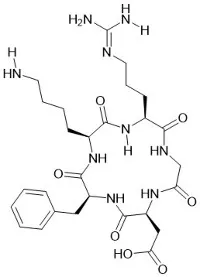
Before we discuss the time it takes for cosmetic peptides to work, let's first understand what they are. Peptides are short chains of amino acids, the building blocks of proteins. In skincare, peptides can mimic the natural proteins in our skin, such as collagen and elastin, and help to stimulate their production. They can also signal cells to perform certain functions, like reducing inflammation or promoting cell turnover.
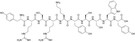
There are many different types of cosmetic peptides, each with its own unique benefits. For example, A-MSH is a peptide that can help to regulate skin pigmentation, while Tripeptide-29 is known for its anti-aging properties, and Palmitoyl Hexapeptide-14 can help to improve skin firmness.
Factors Affecting the Time to See Results
The time it takes for cosmetic peptides to show results can vary depending on several factors:
1. Type of Peptide
Different peptides have different mechanisms of action, which can affect how quickly they produce visible results. For example, some peptides work on the surface of the skin to improve its appearance immediately, while others need to penetrate deeper into the skin layers to stimulate collagen production, which can take more time.
2. Concentration of Peptide
The concentration of the peptide in the skincare product also plays a crucial role. Higher concentrations of peptides are generally more effective and may produce results more quickly. However, it's important to note that using a product with too high a concentration of peptides can also increase the risk of skin irritation.
3. Skin Type
Everyone's skin is unique, and factors such as skin type, age, and overall skin health can influence how quickly the skin responds to peptides. For example, younger skin may be more responsive to peptides and show results more quickly than older skin, which may have a slower cell turnover rate.
4. Frequency of Use
Consistency is key when it comes to using cosmetic peptides. Using the product regularly as directed is essential for achieving the best results. Skipping applications or using the product infrequently can delay the appearance of results.
5. Lifestyle Factors
Lifestyle factors such as diet, exercise, stress levels, and sun exposure can also affect the effectiveness of cosmetic peptides. A healthy lifestyle can support the skin's natural functions and enhance the benefits of using peptide-based skincare products.
General Timelines for Different Types of Peptides
Immediate Results
Some peptides can provide immediate results by improving the skin's appearance on the surface. For example, peptides that act as moisturizers or skin smoothers can make the skin look and feel softer and more hydrated right after application. These types of peptides can be a great option for those looking for a quick fix or a boost of confidence.
Short-Term Results (2 - 4 Weeks)
Within a few weeks of consistent use, you may start to notice some short-term results from using cosmetic peptides. For example, peptides that help to reduce the appearance of fine lines and wrinkles by increasing skin elasticity may start to show some improvement in the skin's texture and firmness. You may also notice a reduction in the appearance of dark circles or puffiness under the eyes.


Medium-Term Results (4 - 8 Weeks)
After 4 - 8 weeks of using peptide-based skincare products, you may start to see more significant results. Peptides that stimulate collagen production can help to improve the overall appearance of the skin, reducing the depth of wrinkles and fine lines and giving the skin a more youthful and radiant look. You may also notice an improvement in skin tone and texture, with a reduction in the appearance of uneven skin pigmentation.
Long-Term Results (3 - 6 Months or More)
For long-term results, it's important to continue using cosmetic peptides consistently over a period of several months. Peptides that work on a cellular level to promote skin regeneration and repair can have a profound impact on the skin's health and appearance over time. With continued use, you may notice a significant reduction in the appearance of deep wrinkles, improved skin elasticity, and a more even skin tone.
Tips for Maximizing the Results of Cosmetic Peptides
To get the most out of your peptide-based skincare products, here are some tips:
- Choose the Right Product: Select a skincare product that contains a high-quality peptide at an appropriate concentration for your skin type and concerns.
- Follow the Instructions: Read and follow the instructions on the product label carefully. Use the product as directed, and don't overuse it, as this can increase the risk of skin irritation.
- Be Patient: Remember that results from using cosmetic peptides take time. Don't expect to see dramatic changes overnight. Be consistent with your skincare routine and give the peptides time to work.
- Combine with Other Skincare Ingredients: Peptides can work synergistically with other skincare ingredients such as antioxidants, vitamins, and hyaluronic acid to enhance their effectiveness. Look for products that combine peptides with these other beneficial ingredients.
- Protect Your Skin from the Sun: Sun exposure can damage the skin and reduce the effectiveness of cosmetic peptides. Make sure to wear sunscreen daily to protect your skin from the harmful effects of UV rays.
Conclusion
In conclusion, the time it takes for cosmetic peptides to show results can vary depending on several factors, including the type of peptide, concentration, skin type, frequency of use, and lifestyle factors. While some peptides can provide immediate results, others may take several weeks or months to produce visible improvements in the skin's appearance. By understanding these factors and following the tips outlined in this blog post, you can maximize the benefits of using peptide-based skincare products and achieve the best possible results.
If you're interested in incorporating cosmetic peptides into your skincare routine or are looking for a reliable supplier of high-quality cosmetic peptides, I encourage you to reach out to us. We offer a wide range of cosmetic peptides that are carefully formulated to meet the needs of different skin types and concerns. Our team of experts is always available to provide you with personalized advice and support. Contact us today to start your journey towards healthier, more beautiful skin.
References
- Alberts, B., Johnson, A., Lewis, J., Raff, M., Roberts, K., & Walter, P. (2002). Molecular Biology of the Cell. Garland Science.
- Guyton, A. C., & Hall, J. E. (2006). Textbook of Medical Physiology. Elsevier Saunders.
- Lademann, J., Richter, H., Patzelt, A., & Sterry, W. (2006). Skin Penetration Enhancement. Springer.