




Hey there! As a supplier of peptide linkers for ADCs (Antibody - Drug Conjugates), I've been getting a lot of questions lately about how to determine the optimal ratio of peptide linker to antibody in ADCs. It's a crucial topic, and I'm excited to share some insights with you.
First off, let's understand why the ratio of peptide linker to antibody matters so much. ADCs are a hot area in cancer treatment and other therapeutic fields. They combine the specificity of antibodies, which can target specific cells in the body, with the potency of cytotoxic drugs. The peptide linker plays a key role here. It connects the antibody to the drug, and the right ratio ensures that the ADC works effectively. If there are too few linkers, the amount of drug delivered to the target cells might be insufficient. On the other hand, too many linkers can cause the antibody to lose its targeting ability or lead to unwanted side - effects.
Factors Affecting the Optimal Ratio
Antibody Characteristics
The type of antibody you're using is a major factor. Different antibodies have different structures, sizes, and binding affinities. For example, some antibodies have more available sites for linker attachment. Monoclonal antibodies, which are widely used in ADCs, can vary in their amino acid sequences and surface properties. An antibody with a higher density of reactive amino acids, like lysine or cysteine, can potentially accommodate more linkers. But you also need to be careful not to over - modify the antibody, as it can disrupt its binding to the target antigen.
Peptide Linker Properties
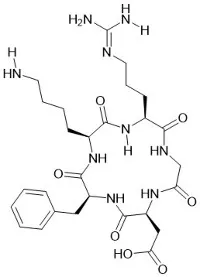
The nature of the peptide linker itself is also important. Linkers come in different lengths, compositions, and reactivities. Some linkers, like the Azido - PEG3 - Val - Cit - PAB - OH, are designed to be cleavable under specific conditions, such as in the acidic environment of the target cell's lysosome. This allows the drug to be released once the ADC reaches its destination. Other linkers, like the Fmoc - Val - Cit - PAB - OH, are used for different chemical conjugation strategies. The stability and flexibility of the linker can influence how many can be attached to the antibody without causing steric hindrance or affecting the antibody's function.
Drug Properties
The drug that's being conjugated to the antibody via the linker is another consideration. Some drugs are highly potent, so you might need fewer drug - linker conjugates per antibody to achieve the desired therapeutic effect. For example, if you're using a very toxic chemotherapy drug, loading too many of them onto a single antibody can increase the risk of systemic toxicity. The solubility and hydrophobicity of the drug also play a role. A hydrophobic drug might require a specific ratio of linkers to improve its solubility in the bloodstream and prevent aggregation of the ADC.
Methods for Determining the Optimal Ratio
In Vitro Studies
One common approach is to conduct in vitro studies. You can start by preparing a series of ADCs with different ratios of peptide linker to antibody. Then, test these ADCs against cell lines that express the target antigen. Measure parameters like cell viability, drug release, and binding affinity. For example, you can use flow cytometry to analyze how well the ADCs bind to the target cells. By comparing the results from different ratios, you can start to narrow down the optimal range.
In Vivo Studies
In vivo studies in animal models are also essential. These studies can give you a more comprehensive understanding of how the ADC behaves in a living organism. You can monitor factors like tumor growth inhibition, pharmacokinetics, and toxicity. For example, if you inject ADCs with different linker - to - antibody ratios into mice with tumors, you can observe which ratio leads to the best tumor shrinkage with the least amount of side - effects. However, in vivo studies are more complex and time - consuming than in vitro studies.
Computational Modeling
Computational modeling is a powerful tool that's becoming increasingly popular. You can use software to simulate the structure and behavior of the ADC. This can help you predict how different ratios of linker to antibody will affect the ADC's stability, binding, and drug release. For example, molecular dynamics simulations can show how the linker and antibody interact at the atomic level. By using these models, you can save time and resources by reducing the number of experimental trials.
Our Role as a Peptide Linker Supplier
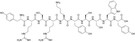
As a supplier of peptide linkers for ADCs, we're here to support you in finding the optimal ratio. We offer a wide range of high - quality peptide linkers, like the Azido - PEG3 - Val - Cit - PAB - OH, Fmoc - Val - Cit - PAB - OH, and Alkyne - Val - Cit - PAB - OH. Our linkers are synthesized with strict quality control to ensure their purity and consistency.
We also have a team of experts who can provide technical support. Whether you're new to ADC development or an experienced researcher, we can help you choose the right linker for your specific antibody and drug combination. We can offer advice on conjugation methods and help you troubleshoot any issues you might encounter during the process of determining the optimal ratio.
Conclusion
Determining the optimal ratio of peptide linker to antibody in ADCs is a complex but crucial process. It involves considering multiple factors, using a combination of experimental and computational methods, and having access to high - quality peptide linkers. As a supplier, we're committed to helping you succeed in your ADC development projects. If you're interested in learning more about our peptide linkers or need assistance in finding the right ratio for your ADCs, don't hesitate to reach out for a procurement discussion. We're here to work with you to develop the next generation of effective and safe ADCs.
References
- Ducry, L., & Stump, B. (2010). Antibody - drug conjugates: linking cytotoxic payloads to monoclonal antibodies. Bioconjugate Chemistry, 21(1), 5 - 13.
- Beck, A., Goetsch, L., Dumontet, C., & Corvaia, N. (2017). Strategies and challenges for the next generation of antibody - drug conjugates. Nature Reviews Drug Discovery, 16(5), 315 - 337.
- Junutula, J. R., et al. (2008). Potent antibody - drug conjugates using a cleavable disulfide linker. Nature Biotechnology, 26(8), 925 - 932.