




How to perform circRNA analysis on Tet - 213 cells?
As a supplier of Tet - 213 cells, I understand the growing interest in circular RNA (circRNA) analysis in these cells. CircRNAs are a class of non - coding RNAs with a covalently closed circular structure, which have been shown to play important roles in various biological processes and diseases. Here, I will guide you through the process of performing circRNA analysis on Tet - 213 cells.
1. Cell Culture and Harvest
First and foremost, proper cell culture is essential. Tet - 213 cells should be cultured in an appropriate medium. Typically, a medium containing specific nutrients and growth factors is used to support their growth. Maintain the cells in a humidified incubator at 37°C with 5% CO₂. Regularly monitor the cell density and morphology to ensure the cells are in a healthy state.
When the cells reach the appropriate confluency, it is time to harvest them. Wash the cells with phosphate - buffered saline (PBS) to remove any residual medium. Then, use a suitable cell detachment reagent, such as trypsin, to detach the cells from the culture flask. Centrifuge the cell suspension to pellet the cells and remove the supernatant. The harvested cells can be stored at - 80°C until further use.
2. RNA Extraction
The next step is to extract RNA from the harvested Tet - 213 cells. There are several commercial RNA extraction kits available on the market. These kits usually contain reagents for cell lysis, RNA purification, and DNase treatment to remove any genomic DNA contamination.
Follow the manufacturer's instructions carefully during the RNA extraction process. After extraction, measure the concentration and purity of the RNA using a spectrophotometer. The A260/A280 ratio should be around 1.8 - 2.0, indicating high - quality RNA. Additionally, the integrity of the RNA can be assessed by agarose gel electrophoresis or using an automated electrophoresis system.
3. Library Preparation for circRNA Sequencing
Once high - quality RNA is obtained, it is time to prepare the library for circRNA sequencing. There are specific protocols for circRNA library preparation. First, ribosomal RNA (rRNA) should be depleted from the total RNA to enrich for circRNAs. This can be achieved using rRNA depletion kits.
After rRNA depletion, the remaining RNA is fragmented into smaller pieces. Reverse transcription is then performed to convert the RNA into complementary DNA (cDNA). Adapter ligation is carried out to attach specific adapters to the ends of the cDNA fragments, which are necessary for sequencing.
Finally, the cDNA library is amplified by polymerase chain reaction (PCR) to increase the amount of DNA for sequencing. The amplified library should be checked for quality and quantity using appropriate methods, such as gel electrophoresis and qPCR.
4. circRNA Sequencing
The prepared cDNA library is then ready for sequencing. Next - generation sequencing (NGS) platforms, such as Illumina sequencers, are commonly used for circRNA sequencing. These platforms can generate a large number of short reads, which can be used to identify and quantify circRNAs.
During sequencing, the library is loaded onto the sequencing flow cell, and the DNA fragments are sequenced in parallel. The sequencing data are generated in the form of FASTQ files, which contain the nucleotide sequences and quality scores of each read.
5. Data Analysis
The analysis of circRNA sequencing data is a complex process. First, the raw sequencing reads need to be pre - processed. This includes removing adapter sequences, low - quality reads, and reads that map to rRNA.

The pre - processed reads are then mapped to the reference genome. There are several mapping tools available, such as BWA and STAR. After mapping, circRNA identification algorithms are used to detect circRNAs based on the junction reads, which are reads that span the backsplice junctions of circRNAs.
Quantification of circRNAs can be performed using various methods, such as counting the number of junction reads for each circRNA. Differential expression analysis can also be carried out to compare the expression levels of circRNAs between different experimental conditions, for example, between normal and diseased Tet - 213 cells.
6. Functional Analysis of circRNAs
Once the circRNAs are identified and quantified, their functions can be investigated. One common approach is to predict the potential miRNA - binding sites on circRNAs. CircRNAs can act as miRNA sponges, sequestering miRNAs and regulating their target genes. Tools like miRanda and TargetScan can be used to predict miRNA - circRNA interactions.
Another way is to perform gene ontology (GO) and pathway analysis on the potential target genes of circRNAs. This can help to understand the biological processes and signaling pathways in which the circRNAs are involved.
7. Validation of circRNAs
It is important to validate the identified circRNAs using independent methods. Reverse transcription - quantitative PCR (RT - qPCR) is a commonly used method for circRNA validation. Design specific primers that span the backsplice junctions of the circRNAs. The primers should be designed to specifically amplify the circRNA and not the linear RNA counterparts.
In addition to RT - qPCR, northern blotting can also be used to confirm the presence and size of the circRNAs. This method provides more direct evidence of the circular structure of the RNAs.
Related Products for Research
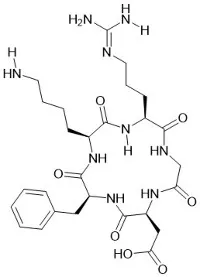
During the process of circRNA analysis on Tet - 213 cells, you may also need some related peptides for further studies. For example, OVA Peptide (323 - 339) can be used in immunological studies related to the cells. Beta - Amyloid (1 - 40), Human is relevant in neurodegenerative disease - related research, which may be related to the functions of circRNAs in Tet - 213 cells. Osteocalcin (7 - 19) (human) can be used in bone - related studies, and circRNAs in Tet - 213 cells may also have implications in bone - related biological processes.
Contact for Procurement
If you are interested in purchasing Tet - 213 cells or the related peptides mentioned above for your circRNA analysis research, please feel free to contact us for procurement and further discussion. We are committed to providing high - quality products and excellent customer service to support your scientific research.
References
- Chen, L. L. (2016). Biogenesis, function and challenges of circular RNAs. Nature Reviews Genetics, 17(8), 475 - 490.
- Salzman, J., Gawad, C., Wang, P. L., Lacayo, N., & Brown, P. O. (2012). Circular RNAs are the predominant transcript isoform from hundreds of human genes in diverse cell types. PLoS ONE, 7(2), e30733.
- Memczak, S., Jens, M., Elefsinioti, A., Torti, F., Krueger, J., Rybak, A., ... & Rajewsky, N. (2013). Circular RNAs are a large class of animal RNAs with regulatory potency. Nature, 495(7441), 333 - 338.