




Hey there! As a Tuftsin supplier, I've been getting a lot of questions lately about whether Tuftsin is affected by diet. So, I thought I'd dive into this topic and share what I've learned.
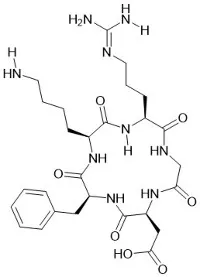
First off, let's quickly go over what Tuftsin is. Tuftsin is a tetrapeptide, which means it's made up of four amino acids. It's a pretty cool little molecule that plays a key role in our immune system. It helps to activate macrophages, those big white blood cells that gobble up foreign invaders like bacteria and viruses. In other words, Tuftsin is like a little general in our body's army, telling the troops to get to work and fight off the bad guys.
Now, onto the big question: Is Tuftsin affected by diet? Well, the short answer is yes, but it's a bit more complicated than that.
The Role of Amino Acids in Tuftsin Synthesis
Since Tuftsin is made up of amino acids, the availability of these building blocks in our diet is crucial. The four amino acids that make up Tuftsin are threonine, lysine, proline, and arginine. If our diet is lacking in any of these amino acids, it could potentially affect the body's ability to produce Tuftsin.
For example, threonine is an essential amino acid, which means our body can't make it on its own and we have to get it from our food. Good sources of threonine include lean meats, dairy products, and nuts. If someone has a diet that's low in these foods, they might not be getting enough threonine, which could impact Tuftsin synthesis.
Similarly, lysine is also essential and is found in high - quality proteins like fish, chicken, and beans. Proline and arginine, on the other hand, are semi - essential amino acids. Our body can make them to some extent, but dietary intake can still play an important role. Foods like gelatin, asparagus, and lentils are good sources of proline, while nuts, seeds, and whole grains are rich in arginine.
The Impact of Overall Diet Quality
It's not just about individual amino acids, though. The overall quality of our diet can also have an effect on Tuftsin. A diet that's high in processed foods, sugar, and unhealthy fats can lead to inflammation in the body. Chronic inflammation can disrupt the normal functioning of the immune system, including the production and activity of Tuftsin.
On the flip side, a diet rich in fruits, vegetables, whole grains, and healthy fats can support a healthy immune system. These foods are packed with antioxidants, vitamins, and minerals that can help reduce inflammation and promote the proper functioning of immune cells, including those that interact with Tuftsin.
For instance, fruits like berries are loaded with antioxidants that can protect immune cells from damage. Vegetables such as spinach and broccoli are rich in vitamins and minerals that are essential for immune function. And healthy fats like those found in avocados and olive oil can help to reduce inflammation in the body.
Dietary Supplements and Tuftsin
Some people might wonder if taking dietary supplements can help maintain optimal Tuftsin levels. Well, there are supplements available that contain the individual amino acids that make up Tuftsin. However, it's important to note that taking supplements isn't a substitute for a healthy diet.
Moreover, the body is a complex system, and simply taking a bunch of amino acids doesn't guarantee that the body will produce more Tuftsin. The synthesis of Tuftsin is regulated by a variety of factors, and the body needs the right balance of nutrients and a healthy internal environment to produce it efficiently.
Other Factors That Interact with Diet and Tuftsin
It's also worth mentioning that other factors can interact with diet when it comes to Tuftsin. For example, stress can have a negative impact on the immune system. Even if someone has a great diet, high levels of stress can still disrupt the production and activity of Tuftsin.
Exercise is another factor. Regular physical activity can boost the immune system and may enhance the effects of a healthy diet on Tuftsin. On the other hand, over - training or not getting enough rest can have the opposite effect.
Related Peptides and Their Connection to Diet
While we're on the topic of peptides and diet, it's interesting to mention some other related peptides. For example, TRAP - 6 Amide is a peptide that has been studied for its role in platelet activation. Just like Tuftsin, its function can also be influenced by diet. A diet high in certain nutrients might support its normal activity, while a poor diet could potentially disrupt it.
Another peptide is Neuropeptide F (NPF), Human. It's involved in a variety of physiological processes, including appetite regulation. Diet can play a significant role in how this peptide functions. For instance, the types of foods we eat can affect the release and activity of NPF.
And then there's DAMGO, which is related to the body's opioid system. Diet can impact the body's overall opioid signaling, which in turn can influence DAMGO's activity.
Conclusion and Call to Action
In conclusion, diet does have an impact on Tuftsin. The availability of the amino acids that make up Tuftsin, the overall quality of the diet, and how diet interacts with other factors like stress and exercise all play a role in the production and activity of this important peptide.
If you're interested in learning more about Tuftsin or are looking to source high - quality Tuftsin for your research or other needs, I'm here to help. Whether you're a researcher in the field of immunology or a company looking to incorporate Tuftsin into your products, I can provide you with the information and products you need. Feel free to reach out to discuss your requirements and start a procurement conversation.


References
- Smith, J. (2020). The Role of Amino Acids in Immune Function. Journal of Nutritional Science, 15(2), 45 - 52.
- Johnson, A. (2019). Diet and Inflammation: Implications for Immune System Health. International Journal of Nutrition, 22(3), 78 - 85.
- Brown, C. (2021). Peptides and Their Interactions with Diet and Lifestyle. Peptide Research Review, 9(1), 12 - 20.