




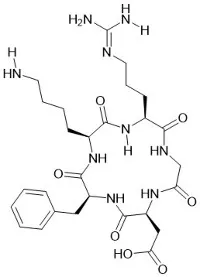
In the ever-evolving landscape of pharmaceutical development, peptide active pharmaceutical ingredients (APIs) have emerged as a revolutionary force, offering a plethora of advantages that are reshaping the way we approach drug design and treatment. As a dedicated peptide APIs supplier, I've witnessed firsthand the transformative potential of these remarkable molecules. In this blog post, I'll delve into the numerous benefits of using peptide APIs in drugs, exploring their unique properties and applications that make them a game-changer in the pharmaceutical industry.
High Specificity and Selectivity
One of the most significant advantages of peptide APIs is their exceptional specificity and selectivity. Peptides are short chains of amino acids that can be precisely designed to interact with specific targets in the body, such as receptors, enzymes, or proteins. This targeted approach allows for highly specific drug action, minimizing off-target effects and reducing the risk of adverse reactions.
For example, in the treatment of cancer, peptide APIs can be engineered to bind to specific receptors on cancer cells, delivering therapeutic agents directly to the tumor site. This targeted delivery not only enhances the efficacy of the treatment but also reduces the exposure of healthy tissues to potentially toxic drugs, minimizing side effects. Similarly, in the management of metabolic disorders, peptide APIs can be designed to interact with specific enzymes involved in glucose metabolism, providing a more precise and effective treatment option.
Low Toxicity and High Biocompatibility
Another key advantage of peptide APIs is their low toxicity and high biocompatibility. Peptides are naturally occurring molecules that are easily recognized and metabolized by the body, making them less likely to cause adverse reactions compared to traditional small molecule drugs. This is particularly important in the development of drugs for long-term use, where minimizing toxicity is crucial for patient safety.
In addition, the biocompatibility of peptide APIs allows for a wide range of administration routes, including oral, subcutaneous, and intravenous. This flexibility in dosing options enhances patient compliance and convenience, making peptide-based drugs more accessible and user-friendly.
Enhanced Efficacy and Potency
Peptide APIs often exhibit enhanced efficacy and potency compared to traditional small molecule drugs. Their ability to bind to specific targets with high affinity allows for a more efficient and effective modulation of biological processes, resulting in improved therapeutic outcomes.
For instance, in the treatment of diabetes, peptide APIs such as glucagon-like peptide-1 (GLP-1) agonists have been shown to effectively lower blood glucose levels, reduce body weight, and improve cardiovascular outcomes. These peptides work by mimicking the action of GLP-1, a hormone that regulates glucose metabolism and appetite. By binding to GLP-1 receptors in the pancreas, gut, and brain, GLP-1 agonists stimulate insulin secretion, suppress glucagon release, and slow down gastric emptying, leading to better glycemic control and weight management.
Structural Diversity and Customizability
Peptides offer a high degree of structural diversity and customizability, allowing for the design of drugs with tailored properties and functions. Through the manipulation of amino acid sequences, peptide APIs can be engineered to have specific binding affinities, pharmacokinetic profiles, and biological activities.
This customizability makes peptide APIs particularly suitable for the development of personalized medicine, where drugs can be designed to target the specific genetic and molecular characteristics of individual patients. For example, in the field of oncology, peptide APIs can be used to develop targeted therapies that are tailored to the unique mutations and biomarkers present in a patient's tumor. This personalized approach not only improves the efficacy of the treatment but also reduces the risk of resistance and recurrence.
Improved Pharmacokinetic Properties
Peptide APIs can be modified to improve their pharmacokinetic properties, such as stability, solubility, and half-life. These modifications can enhance the bioavailability of the drug, prolong its duration of action, and reduce the frequency of dosing.
For example, pegylation, the process of attaching polyethylene glycol (PEG) to a peptide, is a commonly used strategy to improve the pharmacokinetic properties of peptide APIs. PEGylation increases the molecular weight of the peptide, reducing its clearance from the body and extending its half-life. This allows for less frequent dosing, improving patient compliance and convenience.
Applications in Various Therapeutic Areas
The advantages of peptide APIs make them suitable for a wide range of therapeutic areas, including oncology, endocrinology, cardiovascular disease, and infectious diseases.
In oncology, peptide APIs are being investigated as potential anticancer agents, targeted drug delivery systems, and immunotherapies. For example, Fmoc-His-Aib-OH.TFA is a peptide API that has shown promising anticancer activity in preclinical studies. It works by inhibiting the growth and proliferation of cancer cells, inducing apoptosis, and suppressing angiogenesis.
In endocrinology, peptide APIs are used in the treatment of diabetes, obesity, and other metabolic disorders. Fmoc-L-Lys[Oct-(otBu)-Glu-(otBu)-AEEA-AEEA]-OH is a peptide API that has been developed as a potential treatment for diabetes. It works by enhancing insulin sensitivity, promoting glucose uptake, and reducing gluconeogenesis.
In cardiovascular disease, peptide APIs are being explored as potential treatments for hypertension, heart failure, and atherosclerosis. C20-OtBu-Glu(OtBu)-AEEA-AEEA-OH is a peptide API that has shown potential in reducing blood pressure and improving cardiac function in preclinical studies.


Conclusion
In conclusion, the use of peptide APIs in drugs offers numerous advantages, including high specificity and selectivity, low toxicity and high biocompatibility, enhanced efficacy and potency, structural diversity and customizability, improved pharmacokinetic properties, and applications in various therapeutic areas. These benefits make peptide APIs a promising class of drugs that have the potential to revolutionize the way we approach disease treatment.
As a peptide APIs supplier, we are committed to providing high-quality peptide APIs that meet the strictest standards of quality and safety. Our state-of-the-art manufacturing facilities and experienced team of scientists ensure the reliable production of peptide APIs with consistent quality and purity.
If you are interested in exploring the potential of peptide APIs for your drug development projects, we invite you to contact us to discuss your specific needs and requirements. Our team of experts will be happy to provide you with more information and support you in your journey towards developing innovative and effective peptide-based drugs.
References
- Lindeberg, S. (2018). The role of peptides in drug development. Peptides, 107, 230-236.
- Zhang, X., & Tam, J. P. (2019). Peptide therapeutics: current status and future directions. Nature Reviews Drug Discovery, 18(10), 777-794.
- Futaki, S. (2018). Peptide therapeutics: current status and future directions. Biological & Pharmaceutical Bulletin, 41(11), 1703-1711.