




Hey there! As a supplier of Exendin - 4, I've had my fair share of discussions about its differences with Lixisenatide. So, I thought I'd break it down for you in this blog.
1. Chemical Structure
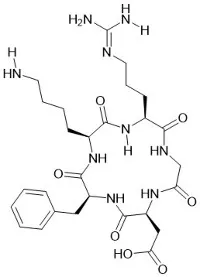
Let's start with the basics - the chemical structure. Exendin - 4 is a 39 - amino - acid peptide. It's derived from the saliva of the Gila monster. This natural origin gives it a unique chemical makeup that has been studied extensively for its therapeutic potential.
On the other hand, Lixisenatide is a synthetic peptide. It's a long - acting GLP - 1 receptor agonist. While it shares some similarities with Exendin - 4 in terms of its function (more on that later), its chemical structure is modified to enhance its pharmacokinetic properties. The modifications in Lixisenatide are aimed at making it last longer in the body, which is a key difference when it comes to dosing.
2. Mechanism of Action
Both Exendin - 4 and Lixisenatide work by activating the GLP - 1 (glucagon - like peptide - 1) receptors. When these receptors are activated, it leads to several beneficial effects in the body.
Exendin - 4 stimulates insulin secretion in a glucose - dependent manner. That means it only tells the pancreas to release insulin when blood sugar levels are high. This helps in keeping blood sugar in check without causing too low blood sugar (hypoglycemia). It also slows down gastric emptying, which means food stays in the stomach longer and is digested more slowly. This can lead to a feeling of fullness and reduced appetite.
Lixisenatide has a similar mechanism of action. It also activates GLP - 1 receptors to increase insulin secretion and slow gastric emptying. However, because of its modified structure, it may have a slightly different profile in terms of how quickly it starts working and how long its effects last.
3. Pharmacokinetics
Pharmacokinetics is all about how the body processes a drug - how it's absorbed, distributed, metabolized, and excreted.
Exendin - 4 has a relatively short half - life. After injection, it's quickly absorbed into the bloodstream, but it also gets cleared from the body relatively fast. This means that it usually needs to be administered more frequently. In some cases, it might be given multiple times a day to maintain its therapeutic effects.
Lixisenatide, on the other hand, has a longer half - life. Thanks to its chemical modifications, it can stay in the body for a longer time. This allows for once - daily dosing, which is a big plus for patients who don't want to deal with multiple injections throughout the day.
4. Efficacy
When it comes to efficacy in treating diabetes, both Exendin - 4 and Lixisenatide have been shown to be effective in lowering blood sugar levels.
Exendin - 4 has been studied in clinical trials, and it has been found to significantly reduce HbA1c (a measure of long - term blood sugar control) levels. It also helps in reducing body weight, which is an added benefit for many patients with diabetes.
Lixisenatide has also demonstrated its ability to lower HbA1c levels. In some studies, it has been shown to be as effective as other GLP - 1 receptor agonists in controlling blood sugar. However, the degree of blood sugar reduction may vary depending on the patient's individual characteristics, such as their baseline blood sugar levels and overall health.
5. Safety Profile
Safety is always a top concern when it comes to any medication.
Exendin - 4 is generally well - tolerated. The most common side effects include nausea, vomiting, and diarrhea. These side effects are usually mild and tend to go away over time as the body gets used to the medication. In rare cases, it may cause more serious side effects, such as pancreatitis, but this is very uncommon.
Lixisenatide also has a similar safety profile. Nausea and vomiting are the most frequently reported side effects. However, because of its longer - acting nature, the side effect profile may be slightly different. For example, some patients may experience more prolonged nausea compared to those taking Exendin - 4.
6. Cost and Availability
Cost can be a major factor for patients when choosing a medication.
Exendin - 4, being a natural peptide, may have a different cost structure compared to Lixisenatide. The production process of Exendin - 4 may involve more complex steps due to its natural origin, which could potentially affect its price. However, as a supplier, I can offer competitive prices for Exendin - 4 to meet the needs of our customers.
In terms of availability, both Exendin - 4 and Lixisenatide are available in the market, but the accessibility may vary depending on the region and the regulatory requirements.
7. Applications Beyond Diabetes
While both Exendin - 4 and Lixisenatide are primarily used for diabetes management, there is growing research on their potential applications in other areas.
Exendin - 4 has shown promise in neurodegenerative diseases. Some studies have suggested that it may have a protective effect on neurons, which could be beneficial in conditions like Alzheimer's and Parkinson's disease. There is also research on its potential use in treating obesity, as its ability to reduce appetite and promote weight loss could be further explored.
Lixisenatide is mainly focused on diabetes treatment at the moment, but as research progresses, there may be new applications discovered for it as well.
Some Related Peptides
If you're interested in peptides, you might also want to check out some related ones. For example, Obestatin (human) has been studied for its role in appetite regulation. Another one is Galanin Message Associated Peptide (44 - 59) Amide, which has potential implications in the nervous system. And Fibrinopeptide A (human) is involved in the blood - clotting process.
Conclusion
In conclusion, Exendin - 4 and Lixisenatide have both similarities and differences. They share a common mechanism of action in activating GLP - 1 receptors to control blood sugar, but their chemical structures, pharmacokinetics, and side effect profiles are distinct.
As a supplier of Exendin - 4, I'm here to provide high - quality Exendin - 4 for your research or other needs. If you're interested in purchasing Exendin - 4 or have any questions about it, feel free to reach out. We can have a detailed discussion about your requirements and how Exendin - 4 can fit into your projects.
References
- Drucker DJ. The biology of incretin hormones. Cell Metab. 2006;3(3):153 - 165.
- Nauck MA, Meier JJ. The role of GLP - 1 receptor agonists in the management of type 2 diabetes mellitus. Nat Rev Endocrinol. 2018;14(2):75 - 87.
- Campbell LV, Drucker DJ. Mechanisms linking obesity to insulin resistance and type 2 diabetes. Nature. 2019;569(7756):356 - 364.