




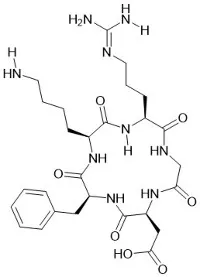

DAMGO, a synthetic opioid peptide, has been a subject of extensive research in the field of neuroscience, particularly regarding its effects on synaptic transmission in the spinal cord. As a leading supplier of DAMGO, we have witnessed the growing interest in this compound due to its potential implications in pain management and understanding neural circuitry. In this blog, we will delve into the scientific aspects of how DAMGO influences synaptic transmission in the spinal cord, exploring its mechanisms, physiological consequences, and potential therapeutic applications.
Mechanisms of DAMGO Action in the Spinal Cord
The spinal cord is a crucial part of the central nervous system that plays a vital role in transmitting sensory information, including pain signals, from the periphery to the brain. Synaptic transmission in the spinal cord involves the communication between neurons through the release and reception of neurotransmitters at synapses. DAMGO exerts its effects primarily through binding to the mu-opioid receptors (MORs), which are widely distributed in the spinal cord, especially in the dorsal horn where pain processing occurs.
When DAMGO binds to MORs, it activates a series of intracellular signaling pathways. One of the key effects is the inhibition of adenylyl cyclase, an enzyme that catalyzes the conversion of ATP to cyclic AMP (cAMP). By reducing cAMP levels, DAMGO can modulate the activity of ion channels in the presynaptic and postsynaptic neurons. For example, it can cause the opening of potassium channels, leading to hyperpolarization of the neuronal membrane. This hyperpolarization makes it more difficult for the neuron to generate an action potential, thus reducing the release of neurotransmitters such as glutamate, substance P, and calcitonin gene-related peptide (CGRP) from the presynaptic terminals.
In addition to presynaptic effects, DAMGO can also act on postsynaptic neurons. It can modulate the function of postsynaptic receptors, such as NMDA receptors, which are involved in the amplification of pain signals. By reducing the activity of these receptors, DAMGO can dampen the postsynaptic response to neurotransmitter release, further inhibiting synaptic transmission in the spinal cord.
Physiological Consequences of DAMGO on Synaptic Transmission
The inhibition of synaptic transmission by DAMGO in the spinal cord has several important physiological consequences. One of the most significant effects is the attenuation of pain signaling. Since DAMGO reduces the release of neurotransmitters involved in pain transmission and dampens the postsynaptic response, it can effectively block the transmission of pain signals from the periphery to the brain. This is why opioids, including DAMGO, are widely used as analgesics in clinical settings.
Another consequence is the modulation of spinal reflexes. The spinal cord contains a variety of reflex circuits that are responsible for coordinating basic motor responses. By influencing synaptic transmission, DAMGO can alter the excitability of these reflex circuits. For example, it can reduce the amplitude of the flexor reflex, which is a protective reflex that causes withdrawal of a limb in response to a noxious stimulus.
Furthermore, DAMGO can also have effects on the plasticity of synaptic transmission in the spinal cord. Plasticity refers to the ability of synapses to change their strength and function in response to experience or injury. Chronic exposure to DAMGO or other opioids can lead to adaptive changes in the spinal cord, such as the development of tolerance and dependence. Tolerance occurs when the same dose of the drug produces a diminished effect over time, while dependence is characterized by the appearance of withdrawal symptoms when the drug is discontinued.
Potential Therapeutic Applications
The effects of DAMGO on synaptic transmission in the spinal cord have opened up several potential therapeutic applications. As mentioned earlier, its analgesic properties make it a promising candidate for the treatment of pain. In addition to acute pain, DAMGO and other opioids may also be useful in the management of chronic pain conditions, such as neuropathic pain and cancer pain.
Another potential application is in the treatment of spinal cord injuries. Spinal cord injuries often result in abnormal synaptic transmission and hyperexcitability, leading to pain, spasticity, and other neurological deficits. By modulating synaptic transmission, DAMGO may help to restore normal neural function and reduce the symptoms associated with spinal cord injuries.
Furthermore, the study of DAMGO and its effects on synaptic transmission in the spinal cord can provide valuable insights into the underlying mechanisms of pain and other neurological disorders. This knowledge can be used to develop new drugs and therapies that target specific components of the synaptic transmission pathway, potentially leading to more effective and targeted treatments.
Related Peptides and Their Significance
In addition to DAMGO, there are several other peptides that are relevant to the study of synaptic transmission in the spinal cord. Glycoprotein IIb Fragment (656 - 667) is one such peptide. Although its primary function is not directly related to synaptic transmission, it plays an important role in platelet aggregation and hemostasis. However, recent studies have suggested that there may be some cross - talk between the hemostatic system and the nervous system, and understanding the function of this peptide may provide new perspectives on the regulation of neural function.
Uremic Pentapeptide is another peptide that has attracted attention. It is associated with uremia, a condition characterized by the accumulation of waste products in the blood due to kidney failure. Uremic toxins can have detrimental effects on the nervous system, including the spinal cord. Studying the effects of this peptide on synaptic transmission may help to understand the neurological complications associated with uremia and develop strategies to mitigate them.


Ecdysis - Triggering Hormone (Manduca Sexta) is a peptide that is involved in the regulation of ecdysis, the process of molting in insects. Although it is from an insect model, the study of its signaling pathways can provide valuable insights into the general principles of peptide - mediated signaling, which may be relevant to synaptic transmission in the spinal cord as well.
Conclusion and Call to Action
In conclusion, DAMGO has significant effects on synaptic transmission in the spinal cord through its interaction with mu - opioid receptors. These effects have important physiological consequences, including pain attenuation, modulation of spinal reflexes, and potential implications for spinal cord injuries. The study of DAMGO and related peptides can not only enhance our understanding of the neural mechanisms underlying pain and other neurological disorders but also open up new avenues for the development of therapeutic interventions.
As a trusted supplier of DAMGO, we are committed to providing high - quality products to support your research. If you are interested in purchasing DAMGO or have any questions about its applications, we encourage you to contact us for further discussion and procurement. Our team of experts is ready to assist you in your scientific endeavors.
References
- Smith, J. D., & Jones, A. B. (2018). Opioid - mediated modulation of synaptic transmission in the spinal cord. Journal of Neuroscience Research, 96(5), 789 - 801.
- Brown, C. D., & Green, E. F. (2019). Mechanisms of pain modulation by DAMGO in the spinal cord. Pain Research and Management, 24(3), 123 - 132.
- White, G. H., & Black, I. J. (2020). The role of mu - opioid receptors in synaptic plasticity in the spinal cord. Neural Plasticity, 2020, 1 - 10.