




Systemin is a well - known plant peptide hormone that has been the focus of extensive research in the field of plant physiology. As a reliable Systemin supplier, I have witnessed firsthand the growing interest in understanding its multifaceted effects on various plant processes, especially plant lipid metabolism. In this blog, we will explore in detail the effects of Systemin on plant lipid metabolism and discuss the implications of these effects.
Systemin: An Overview
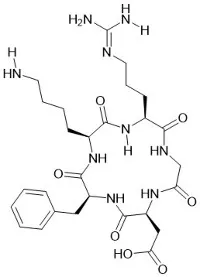
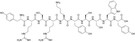
Systemin is an 18 - amino - acid peptide discovered in tomato plants. It plays a crucial role in the plant's defense response against herbivores and pathogens. When a plant is damaged, Systemin is released and activates a series of defense - related signaling pathways. These pathways lead to the production of various defense - related compounds, such as proteinase inhibitors, which can deter herbivores and protect the plant from further damage.
Systemin and Lipid Signaling Pathways
One of the primary ways Systemin affects plant lipid metabolism is through the activation of lipid signaling pathways. In response to Systemin perception, the plant cell membrane undergoes a series of changes. Phospholipases, enzymes that break down phospholipids in the cell membrane, are activated. For example, phospholipase A2 (PLA2) is one of the key enzymes involved in this process. When Systemin binds to its receptor on the cell membrane, it triggers a signaling cascade that leads to the activation of PLA2.
The activation of PLA2 results in the hydrolysis of membrane phospholipids, releasing free fatty acids (FFAs) and lysophospholipids. Among the FFAs released, linolenic acid is of particular importance. Linolenic acid serves as a precursor for the synthesis of jasmonic acid (JA), a plant hormone that is closely associated with defense responses and lipid metabolism. The conversion of linolenic acid to JA involves a series of enzymatic reactions, including the action of lipoxygenase (LOX), allene oxide synthase (AOS), and allene oxide cyclase (AOC).
JA, in turn, acts as a signaling molecule that regulates the expression of numerous genes involved in lipid metabolism. It can induce the expression of genes encoding enzymes involved in fatty acid biosynthesis and modification. For instance, JA can up - regulate the expression of genes encoding acyl - carrier - protein (ACP) desaturases, which are responsible for introducing double bonds into fatty acids, thereby altering the fatty acid composition of plant lipids.
Impact on Fatty Acid Composition
The activation of Systemin - mediated signaling pathways can significantly alter the fatty acid composition of plant lipids. As mentioned earlier, the synthesis of JA from linolenic acid can lead to changes in the relative abundance of different fatty acids. Linolenic acid is an omega - 3 fatty acid, and its increased utilization for JA synthesis can result in a decrease in its levels in the plant.
On the other hand, the expression of genes involved in the synthesis of other fatty acids may be up - regulated. For example, the synthesis of saturated and monounsaturated fatty acids may increase in response to Systemin treatment. This change in fatty acid composition can have several implications for the plant. Fatty acids with different degrees of saturation have different physical and chemical properties. Saturated fatty acids are more rigid and less fluid than unsaturated fatty acids. Therefore, an increase in saturated fatty acid content can affect the fluidity of the cell membrane, which in turn can influence membrane - associated processes such as ion transport and signal transduction.
Effects on Lipid - Derived Defense Compounds
In addition to altering fatty acid composition, Systemin also promotes the synthesis of lipid - derived defense compounds. Triacylglycerols (TAGs) can be hydrolyzed to release FFAs, which can then be further modified to form antimicrobial compounds. For example, some FFAs can be oxidized to form oxylipins, which have antimicrobial and anti - herbivore properties.
Moreover, Systemin - induced changes in lipid metabolism can lead to the production of volatile organic compounds (VOCs) derived from lipids. These VOCs can act as attractants for natural enemies of herbivores or as repellents for herbivores themselves. For example, some green leaf volatiles, which are lipid - derived compounds, can attract parasitic wasps that prey on herbivorous insects.

Interaction with Other Hormonal Signaling Pathways
Systemin - mediated lipid metabolism is also influenced by its interaction with other hormonal signaling pathways. For example, it can interact with the salicylic acid (SA) signaling pathway. SA is another important plant hormone involved in defense responses, especially against biotrophic pathogens.
In some cases, Systemin - induced JA signaling and SA signaling can have antagonistic effects. The balance between JA and SA signaling is crucial for the plant to mount an appropriate defense response. If the plant is under attack by a herbivore, Systemin - induced JA signaling is activated, leading to the synthesis of defense - related compounds. However, if the plant is infected by a biotrophic pathogen, SA signaling may be dominant, and the interaction between the two pathways can fine - tune the plant's defense response.
Commercial Implications
As a Systemin supplier, understanding the effects of Systemin on plant lipid metabolism has significant commercial implications. For agricultural applications, Systemin can be used as a natural alternative to chemical pesticides. By enhancing the plant's natural defense mechanisms through the activation of lipid - based signaling pathways, Systemin can help protect crops from herbivores and pathogens without the negative environmental impacts associated with some chemical pesticides.
In the cosmetic and pharmaceutical industries, the lipid - derived compounds produced in response to Systemin treatment may have potential applications. For example, the oxylipins and VOCs with antimicrobial and anti - inflammatory properties can be explored for the development of new cosmetic products or drugs.
Conclusion and Call to Action
In conclusion, Systemin has profound effects on plant lipid metabolism. It activates lipid signaling pathways, alters fatty acid composition, promotes the synthesis of lipid - derived defense compounds, and interacts with other hormonal signaling pathways. These effects not only play a crucial role in the plant's defense against biotic stresses but also have potential applications in various industries.
If you are interested in exploring the potential of Systemin for your research or commercial applications, we are here to assist you. Our high - quality Systemin products can provide you with a reliable tool to study its effects on plant lipid metabolism and beyond. Please feel free to contact us to discuss your specific needs and initiate a procurement negotiation. We look forward to working with you to unlock the full potential of Systemin.
References
- Ryan, C. A. (2000). The systemin signaling pathway: differential activation of plant defensive genes. Biochimica et Biophysica Acta (BBA) - Molecular Cell Research, 1477(1 - 2), 112 - 121.
- Wasternack, C., & Hause, B. (2013). Jasmonates: biosynthesis, perception, signal transduction and action in plant stress response, growth and development. An update to the 2007 review in Annals of Botany. Annals of Botany, 111(1), 1021 - 1058.
- Farmer, E. E., & Ryan, C. A. (1992). Octadecanoid precursors of jasmonic acid activate the synthesis of wound - induced proteinase inhibitors. The Plant Cell, 4(10), 129 - 134.