




Systemin is a well - studied plant peptide that plays a crucial role in various physiological processes within plants. As a leading Systemin supplier, I've witnessed a growing interest in understanding its effects on plant respiration. In this blog, we'll delve deep into the science behind how Systemin impacts plant respiration and why this knowledge is essential for both agricultural and scientific communities.
Understanding Systemin: A Brief Overview
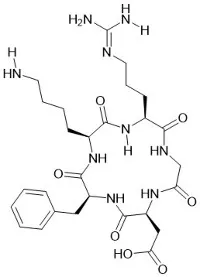
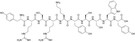
Systemin is an 18 - amino - acid peptide that was first discovered in tomato plants. It acts as a signal molecule, triggering a systemic defense response in plants when they are damaged by herbivores or pathogens. When a plant is attacked, Systemin is released at the site of injury and then transported throughout the plant via the phloem. This systemic spread allows the entire plant to activate its defense mechanisms, including the production of protease inhibitors that can deter herbivores.
The Link between Systemin and Plant Respiration
Plant respiration is a fundamental metabolic process that involves the breakdown of organic compounds, such as sugars, to release energy in the form of ATP. This energy is then used for various cellular activities, including growth, repair, and defense. Systemin has been found to have significant effects on this crucial process.
1. Activation of Respiratory Pathways
One of the primary ways Systemin affects plant respiration is by activating specific respiratory pathways. When Systemin is released in response to damage, it can stimulate the activity of enzymes involved in glycolysis and the tricarboxylic acid (TCA) cycle. These are the central pathways of plant respiration. For example, Systemin can increase the activity of phosphofructokinase, a key enzyme in glycolysis. By enhancing the activity of this enzyme, more glucose is broken down, leading to an increased production of pyruvate. Pyruvate then enters the TCA cycle, where it is further oxidized to generate more ATP.
This activation of respiratory pathways is essential for the plant's defense response. The increased energy production allows the plant to synthesize defense - related compounds, such as phytoalexins and protease inhibitors. These compounds help the plant to fight off pathogens and herbivores more effectively.
2. Influence on Mitochondrial Function
Mitochondria are the powerhouses of the cell and are responsible for the majority of ATP production during respiration. Systemin has been shown to have an impact on mitochondrial function. Studies have indicated that Systemin can increase the number of mitochondria in plant cells and enhance their respiratory capacity.
When Systemin binds to its receptors on the cell membrane, it triggers a series of signaling events that ultimately lead to changes in mitochondrial gene expression. This results in the synthesis of more mitochondrial proteins, which are essential for efficient respiration. Additionally, Systemin can also affect the membrane potential of mitochondria, which is crucial for the production of ATP. By increasing the membrane potential, Systemin can enhance the efficiency of oxidative phosphorylation, leading to a higher yield of ATP.
3. Role in Stress - Induced Respiration
Plants often experience stress from various environmental factors, such as drought, high temperature, and pathogen attack. Systemin plays a vital role in stress - induced respiration. When a plant is under stress, Systemin levels increase, which in turn stimulates respiration. This stress - induced respiration helps the plant to cope with the adverse conditions.
For instance, during drought stress, Systemin can increase respiration to provide energy for the synthesis of osmolytes, which help the plant to maintain its water balance. Similarly, in the case of pathogen attack, the increased respiration due to Systemin allows the plant to produce more defense - related compounds.
Implications for Agriculture
The effects of Systemin on plant respiration have significant implications for agriculture. By understanding how Systemin regulates respiration, farmers and plant breeders can develop strategies to enhance plant health and productivity.
1. Disease and Pest Resistance
As Systemin enhances the plant's defense response through increased respiration, it can be used to develop plants with improved disease and pest resistance. By applying Systemin or by breeding plants that over - produce Systemin, farmers can reduce the need for chemical pesticides. This not only benefits the environment but also reduces the cost of farming.
2. Stress Tolerance
Plants that are more responsive to Systemin are likely to be more tolerant to environmental stress. By selecting or genetically modifying plants to have a more efficient Systemin - mediated respiration response, we can develop crops that can withstand drought, high temperature, and other stress conditions. This is particularly important in the face of climate change, where extreme weather events are becoming more frequent.
Related Peptides in Our Catalogue
As a Systemin supplier, we also offer a range of other peptides that are relevant to plant physiology. For example, Urocortin III (human) has been studied for its potential role in modulating cellular responses in various organisms. Another peptide in our catalogue is VIP (human, Porcine, Rat, Ovine), which has diverse functions in different biological systems. We also provide Proinsulin C - Peptide (55 - 89) (human), which has been the subject of research in the field of endocrinology.
Conclusion
In conclusion, Systemin has profound effects on plant respiration. It activates respiratory pathways, influences mitochondrial function, and plays a crucial role in stress - induced respiration. These effects have far - reaching implications for agriculture, including improved disease and pest resistance and enhanced stress tolerance. As a Systemin supplier, we are committed to providing high - quality Systemin and other related peptides to support research in this exciting field.
If you're interested in learning more about Systemin or any of our other products, or if you're looking to start a procurement discussion, please feel free to reach out. We're here to assist you with your research and agricultural needs.
References
- Ryan, C. A. (2000). The systemin signaling pathway: differential activation of plant defensive genes. Biochimie, 82(10 - 11), 847 - 853.
- Stratmann, J. W. (2003). MAP kinases in plant defense signaling. Current Opinion in Plant Biology, 6(5), 491 - 495.
- Mittler, R., & Blumwald, E. (2010). Genetic engineering for modern agriculture: challenges and perspectives. Annual Review of Plant Biology, 61, 443 - 462.