




Hey there! As a supplier of Exendin - 4, I've been really intrigued by the future prospects of this amazing peptide in medical treatment. So, let's dive right in and explore what the future might hold for Exendin - 4.
What is Exendin - 4?
First off, for those who aren't in the know, Exendin - 4 is a peptide that was originally isolated from the saliva of the Gila monster. It shares a significant amount of structural similarity with glucagon - like peptide - 1 (GLP - 1), a hormone in our bodies that plays a crucial role in regulating blood sugar levels.
Exendin - 4 works by binding to the GLP - 1 receptor, which then activates a series of cellular responses. This leads to increased insulin secretion when blood glucose levels are high, decreased glucagon secretion, slowed gastric emptying, and increased satiety. These effects make it a powerful tool in managing diabetes, especially type 2 diabetes.
Current Use in Diabetes Treatment
Currently, Exendin - 4 is already being used in the form of drugs like exenatide, which is a synthetic version of Exendin - 4. Exenatide has been a game - changer for many patients with type 2 diabetes. It helps in controlling blood sugar levels, reducing the risk of hypoglycemia compared to some other diabetes medications, and also aids in weight loss.
Many patients on exenatide have reported better glycemic control, which means their blood sugar levels are more stable throughout the day. This not only improves their quality of life but also reduces the long - term complications associated with diabetes, such as kidney damage, nerve damage, and cardiovascular problems.
Future Prospects in Diabetes
Looking ahead, the future of Exendin - 4 in diabetes treatment seems very bright. Researchers are constantly working on improving the delivery methods of Exendin - 4. Currently, it's mainly administered via injection, but there are efforts to develop oral formulations. An oral version would be a huge breakthrough as it would make it much more convenient for patients to take their medication.
Moreover, there's potential for combination therapies. Exendin - 4 could be combined with other diabetes drugs to enhance its effects. For example, combining it with metformin, a commonly used diabetes medication, could lead to even better blood sugar control and fewer side effects.
Beyond Diabetes: Other Medical Applications
But the potential of Exendin - 4 doesn't stop at diabetes. There's emerging research suggesting that it could have applications in other areas of medicine.
Obesity
Obesity is a major health issue worldwide, and Exendin - 4 might offer a solution. Its ability to increase satiety and slow down gastric emptying makes it a promising candidate for obesity treatment. By making patients feel full for longer periods, it could help them consume fewer calories, leading to weight loss. Some studies have already shown positive results in using Exendin - 4 in obese patients, and further research could lead to new obesity drugs based on this peptide.
Cardiovascular Diseases
Cardiovascular diseases are the leading cause of death globally. Exendin - 4 has shown some cardioprotective effects in pre - clinical studies. It can improve blood vessel function, reduce inflammation, and protect the heart muscle from damage. This means it could potentially be used to prevent or treat cardiovascular diseases, such as heart attacks and strokes.
Neurological Disorders
There's also some exciting research in the field of neurology. Exendin - 4 has been found to have neuroprotective properties. It can protect nerve cells from damage, reduce inflammation in the brain, and improve cognitive function. This opens up the possibility of using Exendin - 4 in the treatment of neurological disorders like Alzheimer's and Parkinson's diseases.
Our Role as a Supplier
As a supplier of Exendin - 4, we're really excited about these future prospects. We're committed to providing high - quality Exendin - 4 to researchers and pharmaceutical companies who are working on these innovative treatments.
We understand the importance of purity and stability in peptides. That's why we have strict quality control measures in place to ensure that the Exendin - 4 we supply meets the highest standards. Whether it's for pre - clinical research or clinical trials, our Exendin - 4 can be relied upon.
Related Peptides in Our Catalogue
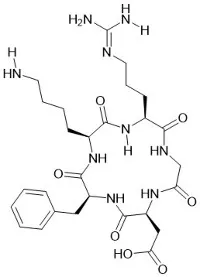
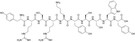
In addition to Exendin - 4, we also offer other peptides that might be of interest to researchers. For example, you can check out Cyclo(RGDfV), which has potential applications in cancer research. Another one is Stresscopin (human), which is involved in the body's stress response and could be relevant in studies related to mental health and stress - related disorders. And don't forget Secretin, Porcine, which has applications in digestive system research.
Let's Connect
If you're a researcher, a pharmaceutical company, or anyone interested in Exendin - 4 or our other peptides, I'd love to hear from you. We're here to support your research and help bring these exciting medical breakthroughs to life. Whether you have questions about our products, need samples, or want to discuss potential collaborations, just reach out. We're ready to have a chat and see how we can work together.
References
- Drucker, D. J. (2006). The biology of incretin hormones. Cell Metabolism, 3(3), 153 - 165.
- Nauck, M. A., & Meier, J. J. (2018). The clinical pharmacology of GLP - 1 receptor agonists: a review. Diabetes, Obesity and Metabolism, 20(S1), 3 - 16.
- Perry, G. C., & Greig, N. H. (2016). GLP - 1 receptor agonists: a new class of drugs for neurodegenerative disease. Trends in Pharmacological Sciences, 37(11), 1031 - 1042.