




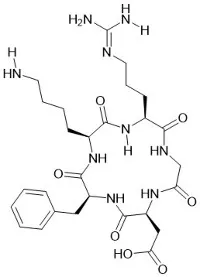
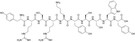
As a supplier of RVG29, a peptide known for its potential in targeted drug delivery, I have witnessed the growing interest in its application within the pharmaceutical and biomedical research fields. RVG29, derived from the rabies virus glycoprotein, has shown promise in crossing the blood - brain barrier (BBB) and delivering therapeutic agents to the central nervous system (CNS). However, like any emerging technology, it comes with its own set of limitations that need to be carefully considered.
1. Immunogenicity Concerns
One of the primary limitations of using RVG29 for targeted drug delivery is its potential immunogenicity. When introduced into the body, RVG29 may be recognized as a foreign substance by the immune system. The immune response can range from mild inflammation to the production of antibodies against RVG29. These antibodies can bind to RVG29 and prevent it from effectively delivering the attached drugs to the target cells.
In some cases, repeated administration of RVG29 - based drug delivery systems may lead to an amplified immune response. This could result in adverse effects such as hypersensitivity reactions, which may limit the long - term use of RVG29 for drug delivery. Moreover, the immune response can also clear the RVG29 - drug complex from the circulation before it reaches the target site, reducing the overall efficacy of the treatment.
2. Specificity and Off - target Effects
Although RVG29 is designed to target specific cells in the CNS, it may not be as specific as desired. The peptide binds to the acetylcholine receptor, which is not only present on neurons in the brain but also on other cell types in the body. This means that RVG29 - drug conjugates may be taken up by non - target cells, leading to off - target effects.
Off - target effects can cause unwanted side effects in other organs or tissues. For example, if the drug delivered by RVG29 has cytotoxic properties, it may damage non - target cells and lead to organ toxicity. Additionally, the non - specific uptake of RVG29 - drug conjugates can reduce the amount of the drug available at the intended target site, thereby decreasing the therapeutic efficacy.

3. Loading Capacity
The loading capacity of RVG29 for drugs is another significant limitation. RVG29 is a relatively small peptide, and its ability to carry large or multiple drug molecules is restricted. The size and chemical properties of the drug can affect its binding to RVG29. If the drug is too large or has a complex structure, it may not be able to bind effectively to RVG29, or the binding may disrupt the function of the peptide.
In some cases, the limited loading capacity may require the use of high doses of RVG29 - drug conjugates to achieve the desired therapeutic effect. However, this can increase the risk of adverse effects and also be costly. Moreover, the low loading capacity may not be sufficient for drugs that require a high dose for effective treatment, such as some chemotherapeutic agents.
4. Stability in Biological Environments
RVG29 - drug conjugates need to be stable in the biological environment to ensure effective drug delivery. However, the peptide and the attached drug may be susceptible to degradation by enzymes and other biological factors in the body. For example, proteases in the bloodstream can cleave RVG29, leading to the release of the drug before it reaches the target site.
The stability of RVG29 - drug conjugates can also be affected by the pH and temperature in different tissues. If the conjugate is not stable under physiological conditions, the drug may be inactivated or released prematurely, reducing the therapeutic efficacy. Additionally, the degradation products of RVG29 and the drug may have their own toxicities, which can pose additional risks to the patient.
5. Delivery Efficiency to the Target Site
Despite its ability to cross the BBB, the delivery efficiency of RVG29 - drug conjugates to the target site in the CNS may not be optimal. The complex physiological environment of the brain, including the presence of the BBB and the dense network of cells, can pose challenges to the delivery of the conjugate.
The BBB is a highly selective barrier that restricts the entry of many substances into the brain. Although RVG29 can cross the BBB, the process may be slow and inefficient. Moreover, once inside the brain, the conjugate may have difficulty reaching the specific target cells due to the complex architecture of the CNS. This can result in a low concentration of the drug at the target site, reducing the effectiveness of the treatment.
Comparison with Other Peptides
To better understand the limitations of RVG29, it is useful to compare it with other peptides used for targeted drug delivery. For example, Matrix Protein M1 (58 - 66) (Influenza A Virus), Galanin (2 - 11), and Dynorphin B (1 - 9) are also being investigated for their potential in drug delivery.
Matrix Protein M1 (58 - 66) has shown good targeting properties to certain cell types, and it may have a different mechanism of action compared to RVG29. Galanin (2 - 11) has been studied for its ability to target specific receptors in the nervous system, and it may offer better specificity in some cases. Dynorphin B (1 - 9) has unique binding properties that could potentially be exploited for drug delivery. By comparing these peptides, researchers can identify the advantages and disadvantages of RVG29 more clearly and explore alternative strategies for targeted drug delivery.
Conclusion
Despite the limitations, RVG29 still holds great potential for targeted drug delivery, especially for CNS - related diseases. Understanding these limitations is crucial for the development of improved RVG29 - based drug delivery systems. Researchers are actively working on strategies to overcome these limitations, such as modifying the peptide structure to improve stability and specificity, and developing new methods to increase the loading capacity.
As a supplier of RVG29, we are committed to providing high - quality products and supporting research in this field. If you are interested in exploring the potential of RVG29 for your drug delivery needs or have any questions about its limitations and applications, we invite you to contact us for further discussion and procurement. Our team of experts is ready to assist you in finding the best solutions for your research and development projects.
References
- Pardridge, W. M. (2002). Drug transport across the blood - brain barrier. Journal of Cerebral Blood Flow & Metabolism, 22(11), 1237 - 1249.
- Kumar, P., & Torchilin, V. P. (2016). Cell - penetrating peptides: mechanism and kinetics of cargo delivery. Advanced Drug Delivery Reviews, 98, 24 - 33.
- Zhang, Y., & Pardridge, W. M. (2001). Receptor - mediated delivery of peptide and protein drugs through the blood - brain barrier. Current Pharmaceutical Design, 7(6), 509 - 519.