





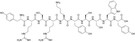
Exendin-4, a peptide initially recognized for its significant role in diabetes treatment, has emerged as a molecule with far - reaching potential beyond its well - established therapeutic application. As a dedicated Exendin - 4 supplier, I am excited to explore the various non - diabetic applications of this remarkable peptide.
1. Neuroprotective Effects
In recent years, substantial research has been conducted on the neuroprotective properties of Exendin - 4. The peptide has shown promise in the treatment of neurodegenerative diseases such as Alzheimer's and Parkinson's.
In Alzheimer's disease, the accumulation of beta - amyloid plaques is a key pathological feature. Exendin - 4 may act by modulating the metabolism of amyloid precursor protein, thereby reducing the production and aggregation of beta - amyloid peptides. Some pre - clinical studies have demonstrated that Exendin - 4 can improve cognitive function in animal models of Alzheimer's disease. It may also protect neurons from oxidative stress and inflammation, which are known to contribute to the progression of the disease. For more information on related peptides, you can visit Beta - Amyloid (1 - 42), Mouse, Rat.
In Parkinson's disease, Exendin - 4 has been shown to protect dopaminergic neurons in the substantia nigra. It can activate signaling pathways that promote cell survival and reduce apoptosis. Additionally, it may have anti - inflammatory effects in the brain, which can help mitigate the neuroinflammatory processes associated with Parkinson's disease. The potential of Exendin - 4 in neurodegenerative diseases opens up a new avenue for the development of novel therapies.
2. Cardiovascular Protection
Exendin - 4 has also been investigated for its cardiovascular protective effects. In the context of diabetes, patients often have an increased risk of cardiovascular diseases such as atherosclerosis, myocardial infarction, and heart failure. However, Exendin - 4 may have beneficial effects on the cardiovascular system independent of its glucose - lowering action.
It can improve endothelial function, which is crucial for maintaining normal blood vessel tone and preventing the development of atherosclerosis. Exendin - 4 may also reduce oxidative stress and inflammation in the vascular wall, two important factors in the pathogenesis of cardiovascular diseases. In pre - clinical studies, treatment with Exendin - 4 has been associated with reduced infarct size after myocardial infarction and improved cardiac function in animal models of heart failure.
Moreover, Exendin - 4 can modulate lipid metabolism. It may increase the clearance of triglyceride - rich lipoproteins and improve the lipid profile, which is beneficial for cardiovascular health. These cardiovascular protective effects make Exendin - 4 an attractive candidate for the prevention and treatment of cardiovascular diseases, especially in patients with diabetes.
3. Obesity and Metabolic Syndrome
Beyond diabetes, Exendin - 4 has potential applications in the treatment of obesity and metabolic syndrome. It acts on the central nervous system to reduce appetite and increase satiety. By binding to specific receptors in the hypothalamus, Exendin - 4 can regulate the release of neuropeptides involved in appetite control, such as neuropeptide Y and pro - opiomelanocortin.
In clinical trials, patients treated with Exendin - 4 have shown significant weight loss compared to placebo. This effect is not only due to reduced food intake but also to an increase in energy expenditure. Exendin - 4 can enhance fatty acid oxidation and thermogenesis, leading to a net loss of body fat.
In addition, Exendin - 4 can improve insulin sensitivity in peripheral tissues, which is a key feature of metabolic syndrome. It can enhance glucose uptake in skeletal muscle and reduce hepatic glucose output, thereby helping to normalize blood glucose levels and improve overall metabolic function. These properties make Exendin - 4 a potential therapeutic option for patients with obesity and metabolic syndrome.
4. Anti - Inflammatory and Immune - Modulatory Effects
Exendin - 4 has been shown to have anti - inflammatory and immune - modulatory effects. Inflammatory processes play a role in many diseases, including diabetes, cardiovascular diseases, and neurodegenerative diseases. Exendin - 4 can inhibit the production of pro - inflammatory cytokines such as tumor necrosis factor - alpha (TNF - α), interleukin - 6 (IL - 6), and interleukin - 1 beta (IL - 1β) in various cell types.
It can also modulate the function of immune cells. For example, Exendin - 4 can reduce the activation of macrophages, which are important immune cells involved in the inflammatory response. In addition, it may have immunomodulatory effects on T cells, helping to maintain immune homeostasis. These anti - inflammatory and immune - modulatory properties of Exendin - 4 may contribute to its beneficial effects in a wide range of diseases. For related products, you can refer to Endotoxin Inhibitor.
5. Wound Healing
Another potential application of Exendin - 4 is in wound healing. Diabetes is often associated with impaired wound healing, which can lead to serious complications such as foot ulcers and infections. Exendin - 4 can promote angiogenesis, the formation of new blood vessels, which is essential for wound healing. It can also enhance the migration and proliferation of fibroblasts, the cells responsible for producing collagen and other extracellular matrix components.
In addition, Exendin - 4 can reduce inflammation at the wound site, which can help create a more favorable environment for tissue repair. By improving blood supply and promoting cell proliferation and extracellular matrix synthesis, Exendin - 4 may accelerate the wound - healing process, especially in patients with diabetes.
6. Cancer
Although the role of Exendin - 4 in cancer is still in the early stages of research, there are some indications that it may have anti - cancer effects. Some studies have shown that Exendin - 4 can inhibit the growth and proliferation of cancer cells in vitro. It may act by modulating signaling pathways involved in cell growth, survival, and apoptosis.
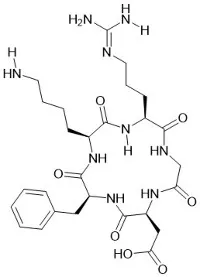
For example, Exendin - 4 can activate the cyclic adenosine monophosphate (cAMP) - protein kinase A (PKA) pathway, which can lead to the inhibition of cell growth and the induction of apoptosis in cancer cells. Additionally, its anti - inflammatory and immune - modulatory effects may also contribute to its potential anti - cancer activity. However, more research is needed to fully understand the mechanisms and potential of Exendin - 4 in cancer treatment. For related peptides in the context of potential cancer research, you can check Cyclo(RGDfV).
As a reliable Exendin - 4 supplier, we are committed to providing high - quality Exendin - 4 for research and potential therapeutic development. The diverse potential applications of Exendin - 4 beyond diabetes treatment offer exciting opportunities for the scientific community. If you are interested in exploring these applications further or have a need for Exendin - 4 for your research projects, we encourage you to contact us for procurement and to discuss potential collaborations.
References
- Drucker, D. J. (2006). The biology of incretin hormones. Cell metabolism, 3(3), 153 - 165.
- Perry, T. L., et al. (2010). Exendin - 4, a glucagon - like peptide - 1 (GLP - 1) agonist, has neuroprotective effects in a rodent model of Parkinson's disease. Experimental neurology, 223(1), 142 - 150.
- Buse, J. B., et al. (2009). Effects of exenatide (exendin - 4) on glycemic control and weight over 30 weeks in metformin - treated patients with type 2 diabetes. Diabetes care, 32(5), 722 - 727.
- Siqueira, L. S., et al. (2017). Exendin - 4 protects against oxidative stress and improves endothelial function in rats with streptozotocin - induced diabetes. Journal of diabetes research, 2017.
- Stojanovska, L., et al. (2019). The role of GLP - 1 receptor agonists in the treatment of obesity: A review. Journal of obesity, 2019.