




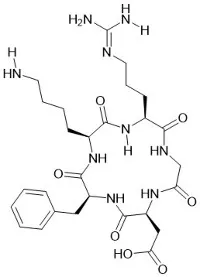
RVG29, a well - recognized peptide, has gained significant attention in the scientific and medical communities due to its potential applications in targeted drug delivery. As a supplier of RVG29, I am well - versed in its properties and uses. However, it is equally important to understand the potential risks associated with this peptide.
1. Immunogenicity
One of the primary concerns when dealing with any peptide is its immunogenicity. The human immune system is highly sensitive and has evolved to recognize and eliminate foreign substances. RVG29, being a foreign peptide in the human body, may trigger an immune response. When introduced into the body, the immune system can identify RVG29 as an antigen. This recognition can lead to the activation of B - lymphocytes, which produce antibodies against RVG29. These antibodies can then bind to RVG29, forming immune complexes.
The formation of immune complexes can have several consequences. Firstly, it can neutralize the function of RVG29. For example, if RVG29 is being used for targeted drug delivery, the bound antibodies can prevent it from binding to its intended receptors on cells, thereby reducing its effectiveness. Secondly, the immune complexes can deposit in various tissues, leading to inflammation and tissue damage. This is similar to what happens in autoimmune diseases, where the immune system attacks the body's own tissues.
Some studies have shown that repeated administration of peptides can increase the likelihood of an immune response. In the case of RVG29, if patients need long - term treatment using this peptide for drug delivery, the risk of developing an immune reaction may be higher. Therefore, careful monitoring of patients for signs of an immune response, such as the presence of antibodies against RVG29 in the blood, is essential.
2. Off - target Effects
RVG29 is designed to target specific receptors on cells, typically those involved in the uptake of substances into the cell. However, there is a possibility that it may bind to other, unintended receptors. This can occur due to the structural similarity between the intended and non - intended receptors. When RVG29 binds to off - target receptors, it can trigger a series of biochemical events that are not part of the desired therapeutic effect.
For instance, if RVG29 binds to a receptor on a cell type that is not the target for the drug delivery, it may cause changes in the cell's normal function. This could include alterations in cell growth, metabolism, or signaling pathways. These off - target effects can lead to unexpected side effects. In some cases, it may even cause toxicity to the cells.
The risk of off - target effects can be influenced by several factors. The concentration of RVG29 is an important one. Higher concentrations increase the probability of non - specific binding. Additionally, the physiological state of the body can also play a role. For example, in a state of inflammation, the expression of receptors on cells may change, increasing the likelihood of off - target binding.
3. Toxicity
Although RVG29 is generally considered to be relatively safe, there is still a potential for toxicity. The toxicity of RVG29 can be related to its chemical structure and the way it interacts with cells. At high doses, RVG29 may disrupt normal cellular processes. It can interfere with the cell membrane, leading to changes in its permeability. This can cause the leakage of intracellular components and ultimately cell death.
Moreover, the breakdown products of RVG29 may also be toxic. When the peptide is metabolized in the body, it is broken down into smaller fragments. These fragments may have different chemical properties and biological activities compared to the original peptide. Some of these breakdown products may be toxic to cells or organs.

Another aspect of toxicity is related to the route of administration. If RVG29 is administered intravenously, it can rapidly reach high concentrations in the bloodstream. This can increase the risk of systemic toxicity. On the other hand, if it is administered locally, there may be a higher risk of local toxicity at the site of injection.
4. Interaction with Other Drugs
When RVG29 is used in combination with other drugs for targeted drug delivery, there is a potential for drug - drug interactions. These interactions can occur at different levels. At the molecular level, RVG29 and the co - administered drug may bind to each other, altering their chemical properties and biological activities. This can affect the solubility, stability, and bioavailability of both the peptide and the drug.
For example, if RVG29 and a drug form a complex, the complex may have a different binding affinity to receptors compared to the individual components. This can lead to changes in the pharmacokinetics and pharmacodynamics of the drug. In some cases, the interaction may enhance the toxicity of the drug or reduce its therapeutic effect.
At the cellular level, the presence of RVG29 may affect the uptake, distribution, and metabolism of the co - administered drug. It can either increase or decrease the amount of drug that enters the cell, depending on the specific mechanisms involved. This can have a significant impact on the effectiveness of the treatment.
5. Genetic Variability
The response to RVG29 can vary among individuals due to genetic differences. Genetic variability can affect the expression and function of the receptors that RVG29 binds to. Some individuals may have genetic mutations in the genes encoding these receptors, which can change their affinity for RVG29.
For example, a mutation in the receptor gene may result in a receptor with a higher or lower affinity for RVG29. If the affinity is lower, RVG29 may not be able to bind effectively to the receptor, reducing its ability to deliver the drug to the target cells. On the other hand, if the affinity is higher, it may increase the risk of off - target effects or toxicity.
Genetic variability can also affect the metabolism of RVG29. Some individuals may have genetic polymorphisms in the enzymes responsible for breaking down the peptide. This can lead to differences in the rate of metabolism, with some individuals metabolizing RVG29 more quickly or slowly than others. These differences can affect the concentration of RVG29 in the body and its effectiveness.
Conclusion
In conclusion, while RVG29 holds great promise for targeted drug delivery, it is not without risks. The potential risks of immunogenicity, off - target effects, toxicity, drug - drug interactions, and genetic variability need to be carefully considered. As a supplier of RVG29, we are committed to providing high - quality products and working closely with researchers and clinicians to ensure the safe and effective use of this peptide.
If you are interested in learning more about RVG29 or are considering using it for your research or therapeutic applications, we encourage you to contact us for further discussion. We can provide you with detailed information about the product, its properties, and the steps we take to minimize the associated risks.
In addition to RVG29, we also offer other peptides such as Stresscopin (human), Glycoprotein IIb Fragment (656 - 667), and Substance P (4 - 11)/Octa - Substance P. These peptides have their own unique properties and potential applications.
References
- Smith, A. B. (2018). Peptide - mediated drug delivery: Challenges and opportunities. Journal of Pharmaceutical Sciences, 107(3), 765 - 772.
- Johnson, C. D. (2019). Immunogenicity of peptides in therapeutic applications. Clinical Immunology, 201, 108345.
- Williams, E. F. (2020). Off - target effects of targeted drug delivery systems. Drug Discovery Today, 25(1), 223 - 231.