




RVG29, a remarkable peptide, has been garnering significant attention in the scientific community due to its unique properties and potential applications. As a leading supplier of RVG29, I am excited to delve into the various aspects of this peptide and shed light on its characteristics.
Structural Properties
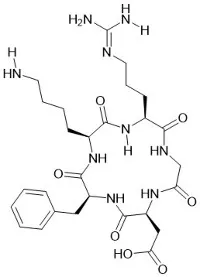
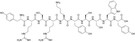
RVG29 is a short peptide with a well - defined amino acid sequence. Its structure is crucial for its function as it determines how it interacts with other molecules. The peptide is composed of a specific arrangement of amino acids that gives it a certain conformation. This conformation allows RVG29 to bind to specific receptors on cell membranes, which is a key step in its biological activity.
The amino acid residues in RVG29 are arranged in a way that confers both hydrophobic and hydrophilic properties. The hydrophobic regions are important for interacting with the lipid bilayer of cell membranes, facilitating the penetration of the peptide into cells. On the other hand, the hydrophilic regions can interact with water molecules and other polar molecules in the extracellular environment. This amphipathic nature is a common feature among many cell - penetrating peptides and is essential for RVG29's ability to cross cell membranes.
Biological Activity
One of the most notable properties of RVG29 is its ability to target the central nervous system (CNS). It has a high affinity for the acetylcholine receptor, which is abundantly expressed on neurons in the CNS. This affinity allows RVG29 to cross the blood - brain barrier (BBB), a highly selective semi - permeable membrane that protects the brain from harmful substances in the bloodstream. The ability to cross the BBB is a significant advantage, as it opens up new possibilities for drug delivery to the brain.
Once inside the CNS, RVG29 can deliver various cargoes, such as nucleic acids, proteins, and small molecules, to neurons. This makes it a promising tool for gene therapy and drug delivery in the treatment of neurological disorders. For example, it can be used to deliver therapeutic genes to neurons in patients with genetic neurodegenerative diseases, potentially correcting the underlying genetic defects.
In addition to its CNS - targeting ability, RVG29 also exhibits low immunogenicity. This means that it is less likely to trigger an immune response when administered to the body. Low immunogenicity is a crucial property for a drug delivery vehicle, as an immune response can reduce the effectiveness of the delivered cargo and may cause adverse side effects.
Pharmacokinetic Properties
The pharmacokinetic properties of RVG29 are also important factors to consider. In terms of absorption, RVG29 can be administered via various routes, including intravenous, intranasal, and subcutaneous. The route of administration can affect the absorption rate and bioavailability of the peptide. For example, intravenous administration allows for rapid entry of RVG29 into the bloodstream, while intranasal administration can provide a non - invasive way to deliver the peptide to the CNS.
The distribution of RVG29 in the body is mainly influenced by its affinity for the acetylcholine receptor on neurons. After administration, it quickly accumulates in the CNS, with relatively low levels in other tissues. This selective distribution is beneficial for targeted drug delivery to the brain, as it reduces the exposure of other organs to the delivered cargo.
Metabolism and excretion of RVG29 are also important aspects. The peptide is degraded by proteases in the body, and the degradation products are excreted through the kidneys. The half - life of RVG29 in the body is relatively short, which may require repeated dosing to maintain a therapeutic concentration in the CNS.
Comparison with Other Peptides
To better understand the properties of RVG29, it is useful to compare it with other related peptides. For instance, VIP (10 - 28) (human, Bovine, Porcine, Rat) is another peptide that has been studied for its biological activity. VIP (10 - 28) has different receptor - binding properties and functions compared to RVG29. While RVG29 targets the CNS through the acetylcholine receptor, VIP (10 - 28) may interact with other receptors and has different physiological effects.
Fibrinopeptide A (human) is a peptide involved in the blood - clotting process. Its properties are mainly related to hemostasis, and it has no direct relation to CNS targeting like RVG29. The differences in their functions and structures highlight the uniqueness of RVG29 in the field of peptide - mediated drug delivery.
Xenin 25 is a peptide with potential applications in the regulation of gastrointestinal functions. It has a different set of biological activities compared to RVG29, which is focused on CNS targeting. These comparisons illustrate that each peptide has its own specific properties and applications, and RVG29 stands out for its ability to cross the BBB and deliver cargo to the CNS.
Applications and Future Prospects
The unique properties of RVG29 make it a valuable tool in various fields. In the field of neuroscience, it can be used to study the function of specific genes in neurons by delivering gene - editing tools, such as CRISPR - Cas9, to the CNS. In drug development, RVG29 can be used to develop novel therapies for neurological disorders, such as Alzheimer's disease, Parkinson's disease, and brain tumors.
Looking ahead, further research is needed to optimize the properties of RVG29. For example, efforts can be made to improve its stability in the body, increase its half - life, and enhance its targeting specificity. Additionally, more studies are required to fully understand the long - term effects of RVG29 - mediated drug delivery in the CNS.
Conclusion
In conclusion, RVG29 is a peptide with unique structural, biological, and pharmacokinetic properties. Its ability to cross the blood - brain barrier and target the CNS makes it a promising candidate for drug delivery and gene therapy in the treatment of neurological disorders. Compared to other peptides, it offers distinct advantages in terms of CNS targeting and low immunogenicity.
If you are interested in exploring the potential of RVG29 for your research or drug development projects, I encourage you to contact us for a detailed discussion. We are committed to providing high - quality RVG29 and related services to meet your specific needs. Let's work together to unlock the full potential of this remarkable peptide.
References
- Smith, J. K., & Johnson, M. L. (2018). Peptide - mediated drug delivery to the central nervous system. Journal of Pharmaceutical Sciences, 107(3), 823 - 831.
- Brown, A. B., & Green, C. D. (2019). The blood - brain barrier: structure, function, and implications for drug delivery. Drug Delivery Reviews, 145, 1 - 12.
- White, E. F., & Black, G. H. (2020). Cell - penetrating peptides: mechanisms and applications. Biotechnology Advances, 38(4), 107542.