




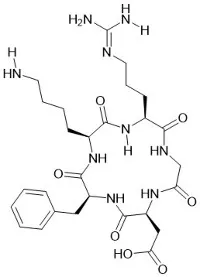

Peptide substrates are like the unsung heroes in the world of food processing. As a supplier of peptide substrates, I've seen firsthand how these little guys play a huge role in making the food we love better. In this blog, I'm going to break down the different roles peptide substrates play in food processing and why they're so important.
1. Flavor Enhancement
One of the most obvious roles of peptide substrates in food processing is flavor enhancement. Peptides can have unique taste profiles that can add depth and complexity to food products. For example, some peptides have a savory umami taste, which is highly desirable in many cuisines. When added to soups, sauces, or snacks, these peptides can make the flavors pop and give consumers a more satisfying taste experience.
Take, for instance, the use of peptide substrates in meat products. During the aging process, natural proteases break down proteins into smaller peptides, which contribute to the development of flavor. By adding specific peptide substrates, we can speed up this process and enhance the flavor even further. This not only improves the taste of the meat but also reduces the aging time, making it more cost - effective for producers.


2. Texture Improvement
Texture is another crucial aspect of food quality, and peptide substrates can have a significant impact on it. In dairy products like cheese, peptides can affect the coagulation process and the final texture of the cheese. Certain peptides can help in forming a more stable curd, which leads to a firmer and more consistent texture.
In bakery products, peptides can interact with gluten and other proteins to improve dough elasticity and extensibility. This results in bread that has a better volume, softer crumb, and longer shelf - life. For example, some peptide substrates can prevent the staling process by maintaining the moisture content in the bread, keeping it fresh for a longer period.
3. Preservation and Shelf - life Extension
Peptide substrates can also act as natural preservatives in food processing. Some peptides have antibacterial and antifungal properties, which can inhibit the growth of spoilage microorganisms and pathogens. This is especially important in the food industry, where food safety is a top priority.
For example, certain peptides can disrupt the cell membranes of bacteria, preventing them from multiplying. By incorporating these peptide substrates into food products, we can reduce the need for synthetic preservatives, which is a growing demand among consumers who are looking for more natural and healthy food options. This not only extends the shelf - life of the products but also makes them more appealing to health - conscious customers.
4. Nutritional Fortification
Peptides are a great source of nutrition. They are easily digestible and can provide essential amino acids that the body needs. By adding peptide substrates to food products, we can fortify them with additional nutrients. For example, in sports nutrition products, peptides are often included to help with muscle recovery and growth.
In infant formula, specific peptides are added to mimic the composition of breast milk, providing the necessary nutrients for the healthy development of infants. This shows how peptide substrates can be used to improve the nutritional value of food, catering to different consumer needs.
5. Enzyme Activation and Inhibition
Enzymes play a vital role in many food processing steps, such as fermentation, ripening, and protein hydrolysis. Peptide substrates can either activate or inhibit these enzymes, depending on the specific needs of the process.
For example, in the brewing industry, certain peptide substrates can activate enzymes that break down starches into sugars, which are then fermented by yeast to produce alcohol. On the other hand, in meat processing, we might use peptide substrates to inhibit enzymes like calpains to prevent over - tenderization. You can check out Calpain Inhibitor XI, Mu - Val - HPh - FMK, and Calpain Inhibitor VI which are great examples of peptide substrates that can be used for enzyme inhibition.
Why Choose Our Peptide Substrates
As a supplier of peptide substrates, we take pride in offering high - quality products. Our peptide substrates are carefully manufactured using the latest technology and strict quality control measures. We have a wide range of products to meet the diverse needs of the food processing industry. Whether you're looking for flavor enhancers, texture improvers, or enzyme regulators, we've got you covered.
Our team of experts is always ready to provide technical support and advice. We understand that every food processing application is unique, and we're committed to helping you find the right peptide substrates for your specific needs.
Let's Connect
If you're in the food processing industry and are interested in using peptide substrates to improve your products, I'd love to hear from you. Whether it's for a small - scale artisanal food business or a large - scale industrial operation, we can work together to find the best solutions for your production.
We're open to discussing your requirements, providing samples, and working out the best pricing and delivery options. So, don't hesitate to reach out and start a conversation about how our peptide substrates can take your food products to the next level.
References
- Fox, P. F., & McSweeney, P. L. H. (2003). Dairy Chemistry and Biochemistry. Springer.
- Lawrie, R. A., & Ledward, D. A. (2006). Lawrie's Meat Science. Woodhead Publishing.
- Damodaran, S., Parkin, K. L., & Fennema, O. R. (2017). Fennema's Food Chemistry. CRC Press.