




Systemin is a well - known plant peptide that has attracted significant attention in the field of plant biology. As a leading supplier of Systemin, I am excited to delve into the roles of Systemin in plant seed germination.
1. Introduction to Systemin
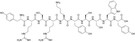
Systemin is a small, 18 - amino - acid peptide that was first discovered in tomato plants. It acts as a systemic signal in plants, playing a crucial role in the plant's defense response against herbivores and pathogens. When a plant is damaged, Systemin is released, which then triggers a series of biochemical reactions that lead to the production of protease inhibitors. These inhibitors can interfere with the digestion of herbivores, thus protecting the plant. However, recent research has also shed light on its potential roles in other physiological processes, including seed germination.
2. Systemin and Seed Germination: An Overview
Seed germination is a complex process that involves the activation of various metabolic pathways and physiological changes. It is influenced by a variety of internal and external factors. Systemin has been found to have an impact on this process through multiple mechanisms.
2.1 Hormonal Interactions
One of the key ways Systemin affects seed germination is through its interaction with plant hormones. Abscisic acid (ABA) and gibberellins (GA) are two important hormones that play opposite roles in seed germination. ABA generally inhibits germination, while GA promotes it. Systemin has been shown to modulate the balance between these two hormones.
In some studies, it was found that Systemin can reduce the levels of ABA in seeds. ABA acts as a dormancy - inducing hormone, and by decreasing its concentration, Systemin can break seed dormancy and initiate the germination process. On the other hand, Systemin may also enhance the synthesis or activity of GA. GA is responsible for promoting the breakdown of stored nutrients in the seed, such as starch, into simple sugars that can be used by the germinating embryo for energy. For example, GA activates the production of amylase, an enzyme that hydrolyzes starch. Systemin - mediated increase in GA activity can thus accelerate the mobilization of stored reserves, facilitating seed germination.
2.2 Signaling Pathways
Systemin activates a complex signaling network in plants. It binds to specific receptors on the cell membrane, which then initiates a cascade of phosphorylation events. These signaling pathways lead to the activation of transcription factors that regulate the expression of genes involved in seed germination.
Some of the genes regulated by Systemin - mediated signaling are related to stress response and metabolic processes. For instance, genes encoding antioxidant enzymes are often up - regulated. During germination, seeds are exposed to various stresses, such as oxidative stress. Antioxidant enzymes help to remove reactive oxygen species (ROS) that can damage cellular components. By enhancing the expression of these genes, Systemin can protect the germinating seed from stress and ensure successful germination.
3. Impact on Seed Coat Permeability
The seed coat plays a crucial role in protecting the embryo and regulating water and gas exchange. Systemin can influence the permeability of the seed coat. It may induce the production of enzymes that break down the components of the seed coat, such as pectin and cellulose.
When the seed coat becomes more permeable, water can enter the seed more easily. Water uptake is a critical first step in seed germination as it activates the metabolic processes in the embryo. Additionally, increased gas exchange allows for the uptake of oxygen, which is required for respiration. Respiration provides the energy needed for cell division and growth during germination.
4. Role in Microbial Interactions
Seeds are often associated with a variety of microorganisms, some of which can have positive or negative effects on germination. Systemin can influence the interaction between seeds and these microorganisms.
On one hand, Systemin can induce the production of antimicrobial compounds in seeds. These compounds can protect the germinating seed from pathogenic microorganisms that could otherwise damage the embryo and prevent germination. On the other hand, Systemin may also promote the growth of beneficial microorganisms. Some beneficial bacteria and fungi can help in nutrient uptake, produce growth - promoting substances, or enhance the plant's resistance to stress. By modulating the microbial community around the seed, Systemin can create a more favorable environment for germination.
5. Comparison with Other Peptides
In the world of plant peptides, Systemin is not the only one with potential roles in seed germination. For example, (Gly14) - Humanin (human) is a peptide that has been studied in the context of cell survival and stress response in humans. In plants, although its exact role in seed germination is not as well - established as Systemin, there is some speculation that it may also have an impact on cellular processes related to germination through its antioxidant and anti - apoptotic properties.
Urechistachykinin II is another peptide. While it is more commonly associated with the nervous systems of certain invertebrates, research is beginning to explore its possible roles in plants. It may interact with plant signaling pathways and potentially affect seed germination, although more studies are needed to confirm this.
Substance P (5 - 11)/Hepta - Substance P is a well - known neuropeptide in animals. In plants, it may have some cross - talk with plant signaling molecules and influence physiological processes, including seed germination. However, the relationship between Substance P and plant seed germination is still in the early stages of investigation.
6. Practical Applications
As a Systemin supplier, understanding the roles of Systemin in seed germination has important practical implications. Farmers and horticulturists can use Systemin - based products to improve seed germination rates.
In agricultural settings, low germination rates can lead to poor crop yields. By applying Systemin to seeds before sowing, it is possible to increase the percentage of seeds that successfully germinate. This can result in more uniform plant stands and ultimately higher yields.
In horticulture, Systemin can be used for the propagation of ornamental plants. Many ornamental plant seeds have low germination rates due to dormancy or other factors. Systemin treatment can help to overcome these issues and ensure a higher success rate in plant propagation.
7. Conclusion and Call to Action
In conclusion, Systemin plays a multi - faceted role in plant seed germination. It affects hormonal balance, activates signaling pathways, modulates seed coat permeability, and influences microbial interactions. These functions make it a valuable tool in improving seed germination rates in both agricultural and horticultural applications.
If you are interested in exploring the benefits of Systemin for your seed germination needs, we invite you to engage in a procurement discussion. Our team of experts is ready to provide you with detailed information about our Systemin products and how they can be tailored to your specific requirements. Contact us to start the conversation and take advantage of the latest scientific research in plant biology.
References
- Farmer, E. E., & Ryan, C. A. (1992). Oligosaccharins, brassinosteroids, and jasmonates: nontraditional regulators of plant growth, development, and gene expression. Science, 258(5086), 1317 - 1322.
- Koornneef, M., & Karssen, C. M. (1994). The genetic regulation of seed dormancy and germination in Arabidopsis thaliana. Plant physiology, 105(4), 1491 - 1495.
- Ryan, C. A. (2000). The systemin - signaling pathway: differential activation of plant defensive genes. Biochimica et Biophysica Acta (BBA) - Molecular Cell Research, 1477(1 - 2), 112 - 121.