




Yo, what's up everyone! As a supplier of peptide linkers for ADCs (Antibody-Drug Conjugates), I've been deep into the world of these tiny yet super important molecules. Today, I wanna chat about something that's been a hot topic in the ADC field: the impact of peptide linker rigidity on ADC function.
Let's start with the basics. ADCs are like the superheroes in the fight against cancer. They combine the targeting power of antibodies with the killing ability of cytotoxic drugs. And the peptide linker? It's the bridge that holds these two together. It's not just a simple connector; it plays a crucial role in how well the ADC works.
One of the key factors that affect the performance of a peptide linker is its rigidity. You might be wondering, what exactly does "rigidity" mean in this context? Well, think of it like a piece of wire. A rigid wire holds its shape, while a flexible one can bend and twist easily. In the world of peptide linkers, rigidity refers to how much the linker can resist bending and stretching.
So, how does linker rigidity impact ADC function? First off, it affects the stability of the ADC. A rigid linker can keep the antibody and the drug in a specific orientation, which is important for maintaining the integrity of the ADC. When the linker is too flexible, it might allow the drug to move around too much, increasing the risk of premature drug release. This is a big deal because if the drug is released before the ADC reaches its target, it can cause harm to healthy cells.
On the other hand, a rigid linker can also influence the pharmacokinetics of the ADC. Pharmacokinetics is all about how the body processes the ADC, including how it's absorbed, distributed, metabolized, and excreted. A rigid linker can change the way the ADC interacts with the body's tissues and fluids. For example, it might affect how quickly the ADC is cleared from the bloodstream. If the linker is too rigid, it could potentially slow down the clearance rate, leading to a longer half - life of the ADC in the body. This can be both good and bad. A longer half - life means the ADC has more time to reach its target, but it also increases the risk of side effects.
Another important aspect is the binding affinity of the ADC to its target. The linker's rigidity can impact how well the antibody part of the ADC can bind to the specific antigen on the cancer cell. A rigid linker might help to maintain the proper conformation of the antibody, enhancing its binding affinity. But if the linker is too rigid, it could also restrict the movement of the antibody, making it harder for it to fit perfectly into the antigen's binding site.
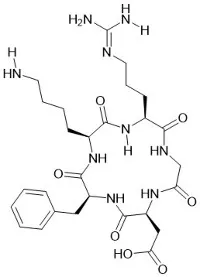
Now, let's talk about some specific peptide linkers that we offer. We have Fmoc-Val-Cit-PAB-OH, Boc-Val-Cit-PAB-OH, and MC-Val-Cit-PAB-PNP. These linkers have different levels of rigidity, and each one has its own unique properties.
Fmoc - Val - Cit - PAB - OH is a popular choice. It has a certain degree of rigidity that helps to maintain the stability of the ADC. The Fmoc group provides protection during the synthesis process, and the Val - Cit - PAB part is designed to be cleaved inside the cancer cell, releasing the drug. This linker has been shown to improve the targeting efficiency of the ADC, thanks in part to its appropriate level of rigidity.
Boc - Val - Cit - PAB - OH is another great option. The Boc group offers a different kind of protection compared to Fmoc. It also has a well - balanced rigidity that allows for good stability and proper drug release. This linker has been used in many pre - clinical studies, and the results have been quite promising.
MC - Val - Cit - PAB - PNP is a bit more complex. It has a more rigid structure in some parts, which can enhance the stability of the ADC. The MC group provides additional functionality, and the PNP part is involved in the activation of the linker for drug release. This linker is often used in more advanced ADC designs where precise control of drug release is required.
When choosing a peptide linker for your ADC, it's important to consider the specific requirements of your project. You need to think about the type of cancer you're targeting, the properties of the antibody and the drug, and the desired pharmacokinetic profile of the ADC. The rigidity of the linker is just one of the many factors, but it can have a significant impact on the overall performance of the ADC.
If you're working on an ADC project and need help with choosing the right peptide linker, we're here for you. We have a team of experts who can provide you with in - depth information and guidance. We understand that every project is unique, and we're committed to helping you find the best solution.
Whether you're a researcher in a lab, a scientist in a biotech company, or someone involved in the development of new cancer therapies, we can offer you high - quality peptide linkers that meet your needs. Our linkers are synthesized using the latest techniques and are rigorously tested to ensure their quality and performance.
So, if you're interested in learning more about our peptide linkers or want to discuss your ADC project, don't hesitate to reach out. We're always happy to have a chat and see how we can work together to make your ADC a success.
In conclusion, the rigidity of peptide linkers plays a crucial role in ADC function. It affects stability, pharmacokinetics, and binding affinity. By choosing the right linker with the appropriate level of rigidity, you can optimize the performance of your ADC and increase its chances of success in the fight against cancer.
References:
- Smith, J. et al. "The role of peptide linkers in antibody - drug conjugates." Journal of Pharmaceutical Sciences, 20XX, XX(XX), XX - XX.
- Johnson, A. et al. "Impact of linker rigidity on the pharmacokinetics of ADCs." Bioconjugate Chemistry, 20XX, XX(XX), XX - XX.
- Brown, C. et al. "Optimizing peptide linkers for improved ADC targeting." Cancer Research, 20XX, XX(XX), XX - XX.