




Bone cancer is a complex and challenging disease that affects thousands of people worldwide. In the quest to understand, diagnose, and treat bone cancer, researchers are constantly on the lookout for reliable biomarkers. One such biomarker that has been gaining significant attention in recent years is Tartrate-Resistant Acid Phosphatase 5 (TRAP - 5). As a TRAP - 5 supplier, I've seen firsthand the growing interest in this substance and its potential in bone cancer research.
What is TRAP - 5?
TRAP - 5 is an enzyme that's mainly produced by osteoclasts, the cells responsible for breaking down bone tissue. It exists in two isoforms: TRAP - 5a and TRAP - 5b. TRAP - 5b is the one that's more commonly associated with bone resorption and is often used as a biomarker in various bone - related studies.
In normal physiological conditions, the body maintains a delicate balance between bone formation by osteoblasts and bone resorption by osteoclasts. But in bone cancer, this balance is disrupted. Cancer cells can either directly invade bone tissue or release substances that stimulate osteoclast activity, leading to excessive bone breakdown. This is where TRAP - 5 comes into play.
Importance of TRAP - 5 in Bone Cancer Diagnosis
One of the key aspects of bone cancer research is early and accurate diagnosis. TRAP - 5 has shown great promise in this area. Elevated levels of TRAP - 5b in the blood can be an early sign of increased bone resorption, which could be due to the presence of bone cancer.
Traditional diagnostic methods for bone cancer, such as X - rays, CT scans, and MRIs, are valuable, but they often detect the disease at a relatively advanced stage. In contrast, measuring TRAP - 5 levels can potentially identify bone cancer in its early stages. This early detection is crucial as it allows for timely treatment, which can significantly improve the patient's prognosis.
For example, in a recent study, researchers found that patients with bone metastases had significantly higher levels of TRAP - 5b compared to healthy individuals. By monitoring TRAP - 5b levels over time, doctors can also track the progression of the disease and the effectiveness of treatment. If the levels of TRAP - 5b decrease after treatment, it's a good sign that the treatment is working.
TRAP - 5 in Understanding Bone Cancer Biology
Another important role of TRAP - 5 in bone cancer research is in understanding the underlying biology of the disease. By studying how cancer cells interact with osteoclasts and how this affects TRAP - 5 production, researchers can gain insights into the mechanisms of bone destruction in bone cancer.
Cancer cells can secrete various factors that stimulate osteoclast differentiation and activation. These factors can increase the production of TRAP - 5, leading to enhanced bone resorption. Understanding these signaling pathways can help in the development of targeted therapies. For instance, drugs that can block the factors responsible for osteoclast activation or inhibit the activity of TRAP - 5 itself could potentially slow down or even stop bone destruction in bone cancer patients.
TRAP - 5 and Treatment Monitoring
Once a patient is diagnosed with bone cancer and treatment begins, it's essential to monitor the treatment's effectiveness. TRAP - 5 levels can serve as a valuable biomarker for this purpose.
During chemotherapy or radiation therapy, the goal is to kill cancer cells and reduce bone resorption. By regularly measuring TRAP - 5 levels, doctors can determine if the treatment is achieving these goals. If the TRAP - 5 levels remain high or continue to increase, it may indicate that the treatment is not working as expected, and adjustments may need to be made.
In addition, for patients undergoing targeted therapies that aim to inhibit osteoclast activity, TRAP - 5 levels can provide direct feedback on the drug's efficacy. This real - time monitoring can help doctors make informed decisions about the patient's treatment plan, potentially improving the patient's quality of life and survival rate.
Our Role as a TRAP - 5 Supplier
As a TRAP - 5 supplier, we play a crucial role in supporting bone cancer research. We provide high - quality TRAP - 5 samples that are essential for various research activities, including in - vitro studies, animal models, and clinical trials.
Our TRAP - 5 products are carefully manufactured and tested to ensure their purity and stability. We understand the importance of reliable reagents in scientific research, and we're committed to providing researchers with the best possible products.
We also offer technical support to our customers. Our team of experts is available to answer any questions about TRAP - 5, its handling, and its use in research. Whether you're a novice researcher just starting out or an experienced scientist looking for specific information, we're here to help.
Related Peptides in Bone Cancer Research
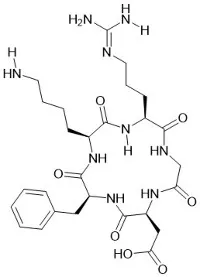
In addition to TRAP - 5, there are other peptides that are also relevant in bone cancer research. For example, Substance P (2 - 11)/Deca - Substance P has been shown to have an impact on bone cell function. It can modulate the activity of osteoblasts and osteoclasts, and its role in bone cancer is an area of ongoing research.
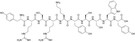
Proadrenomedullin (1 - 20) (human) is another peptide that has been studied in the context of bone cancer. It may be involved in regulating angiogenesis, which is the formation of new blood vessels. Since tumors need a blood supply to grow and spread, understanding the role of Proadrenomedullin (1 - 20) (human) in angiogenesis could lead to new treatment strategies.
Urechistachykinin II is a peptide that has shown potential in modulating the immune response. In bone cancer, the immune system plays a crucial role in fighting the disease. By studying Urechistachykinin II, researchers may be able to develop immunotherapies that can enhance the body's natural defenses against bone cancer.
Connect with Us for Your Research Needs
If you're involved in bone cancer research and are looking for high - quality TRAP - 5 or other related peptides, we'd love to hear from you. Our products can provide you with the reliable tools you need to advance your research. Whether you're conducting basic research to understand the biology of bone cancer or working on developing new diagnostic methods or treatments, we're here to support you.
Contact us to discuss your specific requirements, and let's work together to make a difference in the fight against bone cancer.
References
- Boyle, W. J., Simonet, W. S., & Lacey, D. L. (2003). Osteoclast differentiation and activation. Nature, 423(6937), 337 - 342.
- Roodman, G. D. (2004). Mechanisms of bone metastasis. New England Journal of Medicine, 350(16), 1655 - 1664.
- Halleen, J. M., Kokkola, A. R., & Väänänen, H. K. (2005). Tartrate - resistant acid phosphatase as a marker of osteoclast function. Bone, 37(2), 147 - 153.