




The field of antibody-drug conjugates (ADCs) has witnessed remarkable growth in recent years, emerging as a promising approach for targeted cancer therapy. ADCs combine the specificity of monoclonal antibodies with the potent cytotoxicity of small molecule drugs, offering a more precise and effective treatment option. A critical component of ADCs is the peptide linker, which plays a pivotal role in determining the overall performance of these conjugates. In this blog, as a peptide linkers for ADC supplier, I will delve into the relationship between peptide linker length and ADC performance, exploring how this parameter impacts various aspects of ADC design and function.
Understanding Peptide Linkers in ADCs
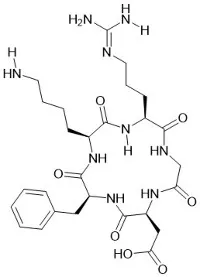
Peptide linkers serve as the bridge between the antibody and the cytotoxic payload in an ADC. Their primary functions include maintaining the stability of the conjugate during circulation, facilitating the release of the payload at the target site, and influencing the pharmacokinetic and pharmacodynamic properties of the ADC. The choice of peptide linker is crucial, as it can significantly affect the efficacy, safety, and overall success of the ADC therapy.
Peptide linkers can be classified into different types based on their cleavage mechanisms, such as cleavable and non - cleavable linkers. Cleavable linkers are designed to release the payload in response to specific stimuli, such as low pH in endosomes or lysosomes, the presence of specific enzymes, or reductive conditions. Non - cleavable linkers, on the other hand, rely on the degradation of the antibody within the target cell to release the payload.
The Impact of Peptide Linker Length on ADC Stability
One of the key factors influenced by peptide linker length is the stability of the ADC. A linker that is too short may cause steric hindrance between the antibody and the payload, leading to improper conjugation and reduced stability. The close proximity of the antibody and the payload can also affect the binding affinity of the antibody to its target antigen.
Conversely, a linker that is too long may increase the flexibility of the conjugate, making it more susceptible to enzymatic degradation and non - specific interactions in the bloodstream. This can result in premature release of the payload, leading to off - target toxicity and reduced efficacy.
Optimal linker length is essential for maintaining the structural integrity of the ADC. It allows for proper orientation of the antibody and the payload, ensuring that the antibody can bind to its target antigen effectively while protecting the payload from premature release. For example, in some cases, a moderately long linker can provide enough space for the payload to be presented to the target cell without compromising the stability of the conjugate.
Peptide Linker Length and Pharmacokinetics
The length of the peptide linker can also have a significant impact on the pharmacokinetic properties of the ADC. Pharmacokinetics refers to the absorption, distribution, metabolism, and excretion of the ADC in the body.
A shorter linker may result in an ADC with a more compact structure, which can potentially lead to faster clearance from the body. This is because smaller molecules are more likely to be filtered by the kidneys and removed from the circulation. On the other hand, a longer linker may increase the hydrodynamic volume of the ADC, slowing down its clearance and increasing its circulation half - life.
However, a very long linker can also cause the ADC to accumulate in non - target tissues due to increased non - specific binding. This can lead to higher levels of off - target toxicity and reduced delivery of the payload to the target site. Therefore, finding the right balance in linker length is crucial for achieving optimal pharmacokinetic properties, such as a long enough circulation time to reach the target site and a low enough non - specific binding to minimize toxicity.
Influence on Payload Release
The release of the cytotoxic payload is a critical step in the mechanism of action of ADCs. The length of the peptide linker can affect the efficiency and timing of payload release.
For cleavable linkers, the linker length can influence the accessibility of the cleavage site to the relevant enzymes or stimuli. A shorter linker may restrict the access of enzymes to the cleavage site, resulting in slower or incomplete payload release. In contrast, a longer linker can provide more flexibility and better exposure of the cleavage site, facilitating more efficient payload release.
However, if the linker is too long, it may also increase the risk of non - specific cleavage in the bloodstream, leading to premature release of the payload. This highlights the importance of carefully selecting the linker length to ensure that the payload is released specifically at the target site.
Examples of Linkers and Their Performance
As a peptide linkers for ADC supplier, we offer a range of linkers with different lengths and properties. For instance, DBCO - PEG4 - NHS Ester is a commonly used linker with a relatively short PEG spacer. This linker is suitable for applications where a more compact conjugate is desired, and it can be used for site - specific conjugation. The short length of the PEG spacer helps to maintain the stability of the conjugate while allowing for efficient conjugation.
DBCO - PEG4 - Acid is another linker option. The PEG4 segment provides a moderate length, which can offer a balance between stability and flexibility. It can be used in various ADC designs to optimize the pharmacokinetic and pharmacodynamic properties of the conjugate.
Fmoc - Val - Cit - PAB - OH is a cleavable linker that contains a peptide sequence. The length of this linker is designed to ensure proper exposure of the cleavage site to lysosomal enzymes, allowing for efficient payload release within the target cell.
Conclusion
In conclusion, the relationship between peptide linker length and ADC performance is complex and multifaceted. The linker length can significantly impact the stability, pharmacokinetics, and payload release of ADCs. Optimal linker length is essential for achieving the desired balance between efficacy and safety in ADC therapy.
As a peptide linkers for ADC supplier, we understand the importance of providing high - quality linkers with well - defined lengths and properties. Our team of experts is dedicated to helping researchers and pharmaceutical companies select the most suitable linkers for their specific ADC designs.
If you are interested in exploring our range of peptide linkers for ADCs or have any questions regarding linker selection and ADC design, we encourage you to contact us for a procurement discussion. Our technical support team is ready to assist you in finding the best solutions for your projects.
References
- Ducry, L., & Stump, B. (2010). Antibody-drug conjugates: linking cytotoxic payloads to monoclonal antibodies. Bioconjugate Chemistry, 21(1), 5 - 13.
- Alley, S. C., Okeley, N. M., & Senter, P. D. (2010). Antibody-drug conjugates: targeted drug delivery for cancer. Current Opinion in Chemical Biology, 14(3), 529 - 537.
- Beck, A., Goetsch, L., Dumontet, C., & Corvaia, N. (2017). Strategies and challenges for the next generation of antibody-drug conjugates. Nature Reviews Drug Discovery, 16(5), 315 - 337.