




Hey there! As a supplier of Tuftsin, I've been super into understanding what this little peptide can do for the immune system. Let's dig into the role of Tuftsin in the development of the immune system.

First off, what the heck is Tuftsin? Tuftsin is a tetrapeptide, which means it's made up of just four amino acids: threonine - lysine - proline - arginine. It was first discovered in the 1970s, and since then, researchers have been peeling back the layers of its functions in our body, especially when it comes to the immune system.
One of the key things Tuftsin does is boost the activity of phagocytes. Phagocytes are like the garbage collectors of our immune system. They gobble up foreign invaders such as bacteria, viruses, and even dead cells. Tuftsin acts as a kind of motivational speaker for these phagocytes. It enhances their ability to move towards the site of infection. Think of it as giving these cells a GPS and a turbo boost. When there's an infection in our body, the phagocytes need to get to the right place quickly. Tuftsin helps them do just that, speeding up the immune response.
Not only does it help with movement, but Tuftsin also ramps up the phagocytic activity itself. Once the phagocytes reach the foreign invaders, they need to engulf and destroy them. Tuftsin makes this process more efficient. It makes the phagocytes better at recognizing the bad guys and then taking them in. This means that our body can get rid of infections faster and more effectively.
Another important aspect is its role in the activation of macrophages. Macrophages are a type of phagocyte, but they're also involved in presenting antigens to other immune cells. Antigens are like the ID tags of foreign invaders. When macrophages present these antigens, it alerts other parts of the immune system, like T - cells and B - cells. Tuftsin helps macrophages do this job better. It enhances their antigen - presenting capabilities, which is crucial for a coordinated immune response. When the immune system can recognize and respond to antigens properly, it can mount a more targeted attack against the pathogens.
Tuftsin also has an impact on the production of cytokines. Cytokines are like the messengers of the immune system. They communicate between different immune cells, telling them what to do. Some cytokines can trigger inflammation, which is a natural part of the immune response. Others can help regulate the immune system to prevent it from overreacting. Tuftsin can influence the production of these cytokines, helping to balance the immune response. For example, it can promote the production of cytokines that help fight off infections while also keeping the inflammation in check.
Now, let's talk about how Tuftsin fits into the bigger picture of immune system development. During the early stages of life, our immune system is still maturing. Tuftsin can play a role in this maturation process. It can help train the immune cells to recognize and respond to different threats. By enhancing the function of phagocytes and macrophages from an early age, it sets the foundation for a strong and efficient immune system. This is especially important for infants and young children, who are more vulnerable to infections.
In addition to its normal functions, Tuftsin has shown potential in treating certain immune - related disorders. For example, in some cases of immunodeficiency, where the immune system is not working properly, Tuftsin might be able to help. By boosting the immune cells' activity, it could potentially improve the body's ability to fight off infections in these patients.
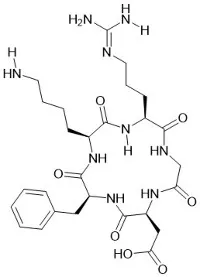
When compared to other peptides in the market, Tuftsin has its unique advantages. Take Cyclo(RGDyC) for example. While Cyclo(RGDyC) has its own set of functions related to cell adhesion and migration, Tuftsin is more focused on directly enhancing the immune - cell functions. Another peptide is Tyr - ACTH (4 - 9). It has effects on the central nervous system and the endocrine system, but Tuftsin's main arena is the immune system. And Substance P (6 - 11)/Hexa - Substance P is involved in pain transmission and inflammation regulation, while Tuftsin is all about boosting the immune response at the cellular level.
As a supplier of Tuftsin, I've seen the growing interest in this peptide. More and more researchers are looking into its potential applications. Whether it's for basic research on the immune system or for developing new treatments for immune - related diseases, Tuftsin has a lot to offer. If you're in the field of immunology, pharmaceuticals, or any area related to the immune system, you might be interested in getting your hands on some high - quality Tuftsin.
We make sure that the Tuftsin we supply is of the highest purity. Our production process is carefully monitored to ensure that you get a product that meets your research or application needs. If you're thinking about using Tuftsin in your projects, I'd love to talk to you. We can discuss the quantity you need, the quality requirements, and the best way to get it to you. So, if you're interested in purchasing Tuftsin for your work, don't hesitate to reach out. We're here to support your research and help you make the most of this amazing peptide.
In conclusion, Tuftsin plays a vital and multi - faceted role in the development and function of the immune system. From enhancing the activity of phagocytes and macrophages to influencing cytokine production and immune - cell communication, it's a key player in keeping our immune system in top shape. Whether you're a researcher looking to explore its potential or a company interested in developing new products, we're here to be your reliable partner in providing high - quality Tuftsin.
References:
- Najjar, V. A., & Nishioka, K. (1970). Tuftsin, a natural activator of phagocytic cells. Proceedings of the National Academy of Sciences, 67(1), 240 - 246.
- Kay, N. E., & Bech, J. (1976). The biology of tuftsin. Immunology, 30(1), 117 - 125.
- Gennaro, R., & Romeo, D. (1980). Tuftsin: biological properties and therapeutic potential. Journal of Leukocyte Biology, 27(2), 137 - 145.