




Cosmetic peptides have gained significant popularity in the beauty and skincare industry in recent years. These small chains of amino acids offer a wide range of benefits, from anti - aging effects to improved skin texture and elasticity. As a supplier of cosmetic peptides, one of the most frequently asked questions I receive is about the shelf life of these products. In this blog post, I will delve into the factors that influence the shelf life of cosmetic peptides and provide some general guidelines.
What are Cosmetic Peptides?
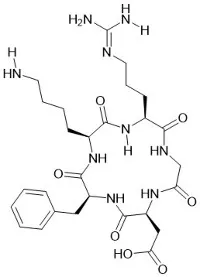
Before discussing the shelf life, it's important to understand what cosmetic peptides are. Peptides are short chains of amino acids, the building blocks of proteins. In the context of cosmetics, they can mimic the functions of proteins in the skin. For example, some peptides can stimulate collagen production, which helps reduce the appearance of fine lines and wrinkles. Others can regulate melanin production, leading to a more even skin tone. Popular cosmetic peptides include L - Carnosine, Tetrapeptide - 30, and Acetyl Tetrapeptide - 11.
Factors Affecting the Shelf Life of Cosmetic Peptides
Chemical Structure
The chemical structure of a peptide is one of the primary factors that determine its stability and shelf life. Peptides with certain amino acid sequences may be more prone to degradation. For instance, peptides containing cysteine residues are more susceptible to oxidation because the sulfur - containing side chain of cysteine can react with oxygen in the air. Oxidation can lead to changes in the peptide's structure, which in turn can reduce its biological activity.
Storage Conditions
Storage conditions play a crucial role in the shelf life of cosmetic peptides. Temperature, humidity, and light exposure are the key environmental factors.
- Temperature: Peptides are generally more stable at lower temperatures. High temperatures can accelerate chemical reactions, such as hydrolysis and oxidation. Most cosmetic peptides should be stored in a cool place, preferably between 2 - 8°C (36 - 46°F). However, freezing can also be a viable option for long - term storage, as it significantly slows down the degradation process. But it's important to note that repeated freeze - thaw cycles can damage the peptide structure.
- Humidity: Moisture can promote the growth of microorganisms and cause hydrolysis of peptides. Therefore, peptides should be stored in a dry environment. Packaging that provides a good barrier against moisture, such as sealed vials or air - tight containers, is essential.
- Light Exposure: Light, especially ultraviolet (UV) light, can cause photodegradation of peptides. Peptides should be stored in opaque containers to protect them from light.
Purity and Impurities
The purity of a peptide also affects its shelf life. Impurities in a peptide sample can act as catalysts for degradation reactions. For example, trace amounts of metal ions can catalyze oxidation reactions. High - purity peptides are generally more stable and have a longer shelf life. During the manufacturing process, strict quality control measures should be in place to ensure the purity of the peptides.
General Shelf Life Guidelines
The shelf life of cosmetic peptides can vary widely depending on the factors mentioned above. In general, if stored under optimal conditions (cool, dry, and dark), most high - quality cosmetic peptides can have a shelf life of 1 - 2 years.
- Short - Term Shelf Life (Less than 6 months): Some peptides with highly reactive chemical structures or those that are more sensitive to environmental factors may have a shorter shelf life. These peptides may need to be used relatively quickly after purchase.
- Medium - Term Shelf Life (6 months - 1 year): Many common cosmetic peptides fall into this category. With proper storage, they can maintain their activity and stability for up to a year.
- Long - Term Shelf Life (1 - 2 years): High - purity peptides with relatively stable chemical structures can have a shelf life of up to 2 years when stored correctly.
Testing and Quality Assurance
As a supplier of cosmetic peptides, we conduct rigorous testing to ensure the quality and stability of our products. We use advanced analytical techniques, such as high - performance liquid chromatography (HPLC) and mass spectrometry, to monitor the purity and integrity of the peptides over time. These tests allow us to determine the actual shelf life of each peptide batch and provide accurate information to our customers.


Importance of Knowing the Shelf Life
Understanding the shelf life of cosmetic peptides is crucial for both manufacturers and consumers.
- For Manufacturers: Manufacturers need to ensure that their products are stable and effective throughout their intended shelf life. This requires proper formulation, packaging, and storage. By knowing the shelf life of peptides, manufacturers can optimize their production processes and quality control measures.
- For Consumers: Consumers should be aware of the shelf life of the cosmetic products they use. Using expired peptides may not only result in reduced efficacy but also pose potential risks, such as skin irritation or allergic reactions. Consumers should always check the expiration date on the product label and follow the storage instructions carefully.
Conclusion
The shelf life of cosmetic peptides is influenced by multiple factors, including chemical structure, storage conditions, and purity. As a reliable supplier of cosmetic peptides, we are committed to providing high - quality products with accurate information about their shelf life. By understanding these factors and following the proper storage guidelines, both manufacturers and consumers can ensure the effectiveness and safety of cosmetic peptides.
If you are interested in purchasing cosmetic peptides for your skincare products, we invite you to contact us for more information and to discuss your specific requirements. Our team of experts is ready to assist you in finding the right peptides for your needs.
References
- Bissett, D. L., Oblong, J. E., & Berge, C. A. (2007). A 12 - month, double - blind, placebo - controlled, randomized study of the efficacy and safety of a topical copper tripeptide complex in facial rejuvenation. Journal of Drugs in Dermatology, 6(6), 568 - 575.
- Leschke, S., & Lademann, J. (2018). Peptides in cosmetics. Peptides, 103, 32 - 39.
- Wang, Y., & Li, Y. (2019). Stability of peptides in solution: Factors and solutions. Molecules, 24(12), 2272.