




Hey there! As a supplier of TRAP - 5, I'm super stoked to dive deep into what the structure of TRAP - 5 is all about. Let's get started, shall we?
First off, TRAP - 5 stands for Tartrate - Resistant Acid Phosphatase 5. It's a pretty important enzyme in the body, especially when it comes to bone metabolism. You see, bones are constantly being broken down and rebuilt in a process called remodeling. TRAP - 5 plays a key role in the bone - resorbing process carried out by osteoclasts, which are the cells responsible for breaking down old bone tissue.
The structure of TRAP - 5 is quite complex but fascinating. At the molecular level, it's a glycoprotein. That means it's a protein that has carbohydrate groups attached to it. These carbohydrate groups can have various functions, like protecting the protein from degradation, helping it to fold correctly, and even influencing its interaction with other molecules.
TRAP - 5 exists in two main isoforms: TRAP - 5a and TRAP - 5b. These two isoforms have slightly different structures and functions. TRAP - 5a is mainly found in the circulation and is associated with immune cells, like macrophages. It has a more basic isoelectric point and a different glycosylation pattern compared to TRAP - 5b.
On the other hand, TRAP - 5b is specifically produced by osteoclasts during bone resorption. It has a lower isoelectric point and a unique glycosylation profile that is thought to be related to its function in breaking down bone matrix. The structure of TRAP - 5b allows it to bind to and degrade certain components of the bone, such as collagen.
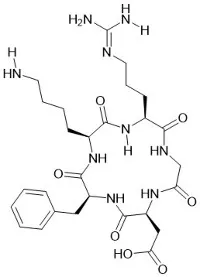
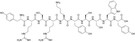
The core protein structure of TRAP - 5 is made up of amino acids, just like any other protein. These amino acids are linked together in a specific sequence, which determines the overall shape and function of the protein. The sequence of amino acids in TRAP - 5 is conserved across different species, which suggests that it has an important and evolutionarily stable function.
One of the key features of the TRAP - 5 structure is its active site. This is the region of the enzyme where the actual catalytic reaction takes place. The active site of TRAP - 5 contains specific amino acid residues that are responsible for binding to the substrate (the molecule that the enzyme acts on) and facilitating the chemical reaction. In the case of TRAP - 5, the substrate is usually a phosphate - containing molecule, and the enzyme catalyzes the removal of the phosphate group.
The tertiary structure of TRAP - 5 is also crucial. It refers to the overall three - dimensional shape of the protein. The folding of the protein into its tertiary structure is determined by various interactions between the amino acid side chains, such as hydrogen bonds, disulfide bonds, and hydrophobic interactions. These interactions hold the protein in a specific shape that is necessary for its function.
Now, let's talk about why understanding the structure of TRAP - 5 is so important. For researchers, it can provide insights into the mechanisms of bone metabolism and related diseases. For example, in osteoporosis, a condition characterized by low bone density and increased risk of fractures, abnormal levels of TRAP - 5 may be involved. By understanding the structure of TRAP - 5, scientists can develop drugs that target this enzyme to either enhance bone formation or reduce bone resorption.
As a supplier of TRAP - 5, I'm well - aware of the demand for high - quality TRAP - 5 products in the research community. We offer a range of TRAP - 5 preparations that are carefully purified and characterized to ensure their quality and activity. Whether you're studying bone biology, developing new drugs, or conducting diagnostic tests, our TRAP - 5 products can be a valuable tool.
In addition to TRAP - 5, we also supply other related peptides that might be of interest to you. For example, you can check out VIP Antagonist, which has potential applications in the study of the nervous and immune systems. Another interesting product is Peptide YY, PYY, Human, which is involved in regulating appetite and energy balance. And if you're into cell - penetrating peptides, R9 Peptide could be a great option for you.

If you're in the market for TRAP - 5 or any of our other products, I encourage you to reach out to us for a purchase negotiation. We're always happy to work with researchers and companies to meet their specific needs. Whether you need a small amount for a pilot study or a large - scale production run, we've got you covered.
In conclusion, the structure of TRAP - 5 is a complex and fascinating topic. Its unique molecular architecture is closely related to its important role in bone metabolism. As a supplier, we're committed to providing high - quality TRAP - 5 products to support your research and development efforts. So, don't hesitate to get in touch and let's start this exciting journey together!
References
- Baron R, Neff L, Boyce BF, et al. Tartrate - resistant acid phosphatase: a cell - specific marker for osteoclasts. Histochemistry. 1984;80(3):285 - 290.
- Halleen JM, Delaisse JM, Kiviranta I, et al. Serum tartrate - resistant acid phosphatase 5b reflects bone resorption in postmenopausal women. J Bone Miner Res. 2001;16(7):1237 - 1243.