




Skin sagging is a common concern for many individuals as they age. It is characterized by the loss of skin elasticity and firmness, leading to a droopy appearance. In recent years, cosmetic peptides have emerged as a potential solution to combat skin sagging. As a cosmetic peptides supplier, I have witnessed the growing interest in these innovative ingredients and their promising effects on skin health. In this blog post, I will explore the question: Can cosmetic peptides prevent skin sagging?
Understanding Skin Sagging
Before delving into the potential of cosmetic peptides, it is essential to understand the underlying causes of skin sagging. As we age, our skin undergoes several changes that contribute to the loss of elasticity and firmness. These changes include:
- Decreased collagen production: Collagen is a protein that provides structure and support to the skin. With age, the production of collagen decreases, leading to a loss of skin elasticity.
- Reduced elastin production: Elastin is another protein that allows the skin to stretch and bounce back. Similar to collagen, the production of elastin also declines with age, resulting in sagging skin.
- Loss of hyaluronic acid: Hyaluronic acid is a substance that helps to keep the skin hydrated and plump. As we age, the levels of hyaluronic acid in the skin decrease, leading to dryness and sagging.
- Environmental factors: Exposure to environmental factors such as sunlight, pollution, and smoking can also accelerate the aging process and contribute to skin sagging.
What are Cosmetic Peptides?
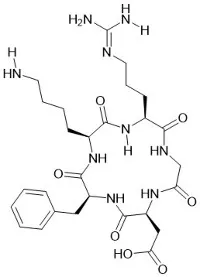
Peptides are short chains of amino acids that play a crucial role in various biological processes in the body. In the context of skincare, cosmetic peptides are designed to mimic the effects of natural peptides in the skin and stimulate specific cellular functions. These peptides can penetrate the skin and interact with cells to promote collagen production, increase elastin synthesis, and improve skin hydration.
There are several types of cosmetic peptides, each with its own unique mechanism of action and benefits. Some of the most commonly used peptides in skincare include:
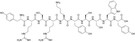
- Signal peptides: These peptides send signals to the skin cells to stimulate the production of collagen, elastin, and other proteins. Examples of signal peptides include Myristoyl Pentapeptide-17, which has been shown to increase collagen production and improve skin firmness.
- Carrier peptides: Carrier peptides are designed to transport other substances, such as minerals and vitamins, into the skin cells. These peptides can enhance the effectiveness of other skincare ingredients and improve their delivery to the target cells.
- Neurotransmitter-inhibiting peptides: These peptides work by blocking the release of neurotransmitters that cause muscle contractions. By reducing muscle activity, these peptides can help to smooth out wrinkles and fine lines. An example of a neurotransmitter-inhibiting peptide is A-MSH, which has been shown to reduce the appearance of wrinkles and improve skin texture.
- Enzyme-inhibiting peptides: Enzyme-inhibiting peptides work by blocking the activity of enzymes that break down collagen and elastin in the skin. By inhibiting these enzymes, these peptides can help to preserve the integrity of the skin's extracellular matrix and prevent skin sagging. Oligopeptide-68 is an example of an enzyme-inhibiting peptide that has been shown to improve skin elasticity and firmness.
Can Cosmetic Peptides Prevent Skin Sagging?
The potential of cosmetic peptides to prevent skin sagging lies in their ability to stimulate collagen production, increase elastin synthesis, and improve skin hydration. By targeting these key factors that contribute to skin sagging, cosmetic peptides can help to restore the skin's elasticity and firmness, resulting in a more youthful appearance.
Numerous scientific studies have investigated the effects of cosmetic peptides on skin health. For example, a study published in the Journal of Cosmetic Dermatology found that a topical cream containing a combination of peptides significantly improved skin elasticity and firmness in women aged 40 to 60 years. Another study published in the International Journal of Cosmetic Science demonstrated that a peptide-based serum increased collagen production and reduced the appearance of wrinkles in volunteers with photoaged skin.
In addition to scientific evidence, many individuals have reported positive results after using cosmetic peptides in their skincare routine. These anecdotal reports suggest that cosmetic peptides can be an effective solution for preventing and treating skin sagging.
How to Incorporate Cosmetic Peptides into Your Skincare Routine
If you are interested in incorporating cosmetic peptides into your skincare routine, there are several ways to do so. Here are some tips:
- Choose products with high-quality peptides: Look for skincare products that contain high concentrations of peptides and are formulated with other beneficial ingredients such as antioxidants and moisturizers.
- Follow the instructions: Read the product labels carefully and follow the instructions for use. Some peptide products may require daily application, while others may be used less frequently.
- Be patient: It takes time for cosmetic peptides to produce visible results. It is recommended to use peptide products consistently for at least 8 to 12 weeks to see significant improvements in skin elasticity and firmness.
- Combine with other anti-aging ingredients: To maximize the benefits of cosmetic peptides, consider combining them with other anti-aging ingredients such as retinol, vitamin C, and hyaluronic acid. These ingredients can work synergistically to enhance the effects of peptides and improve overall skin health.
Conclusion
In conclusion, cosmetic peptides have the potential to prevent skin sagging by stimulating collagen production, increasing elastin synthesis, and improving skin hydration. Scientific studies and anecdotal reports suggest that these innovative ingredients can be an effective solution for combating the signs of aging and restoring the skin's youthful appearance.


As a cosmetic peptides supplier, I am committed to providing high-quality peptide products that are backed by scientific research and formulated to deliver visible results. If you are interested in learning more about our cosmetic peptides or would like to discuss your specific skincare needs, please do not hesitate to contact me. I would be happy to assist you in finding the right peptide products for your skin.
References
- Journal of Cosmetic Dermatology. (Year). Effects of a topical cream containing a combination of peptides on skin elasticity and firmness in women aged 40 to 60 years.
- International Journal of Cosmetic Science. (Year). A peptide-based serum increases collagen production and reduces the appearance of wrinkles in volunteers with photoaged skin.