




How does DAMGO affect the wound healing process?
Wound healing is a complex and dynamic biological process that involves a series of overlapping phases, including hemostasis, inflammation, proliferation, and remodeling. Any disruption in these phases can lead to delayed wound healing or the formation of non - healing wounds, which pose significant challenges in the medical field. In recent years, there has been growing interest in the role of various substances, such as DAMGO, in modulating the wound healing process. As a DAMGO supplier, I am excited to explore and share the current understanding of how DAMGO impacts wound healing.
DAMGO: An Overview
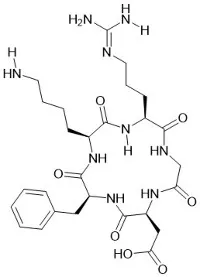
DAMGO, also known as [D - Ala², N - Me - Phe⁴, Gly - ol⁵] enkephalin, is a synthetic opioid peptide. It is a highly selective agonist for the mu - opioid receptor. Opioid receptors are widely distributed throughout the body, including the central nervous system and peripheral tissues. The activation of mu - opioid receptors by DAMGO can lead to a variety of physiological responses, such as pain relief, sedation, and changes in immune function.
Effects of DAMGO on the Inflammatory Phase of Wound Healing
The inflammatory phase is the initial stage of wound healing, which is triggered by tissue injury. During this phase, immune cells, such as neutrophils and macrophages, are recruited to the wound site to remove debris, bacteria, and foreign materials. DAMGO can influence this phase through its effects on the immune system.
Studies have shown that DAMGO can modulate the function of immune cells. For example, it can affect the migration and activation of neutrophils. Neutrophils are the first immune cells to arrive at the wound site, and their timely recruitment is crucial for the early defense against infection. DAMGO may enhance the chemotaxis of neutrophils to the wound area, which helps in the rapid clearance of pathogens. However, excessive neutrophil activation can also lead to tissue damage due to the release of reactive oxygen species and proteases. DAMGO may play a regulatory role in preventing over - activation of neutrophils, thus maintaining a balanced inflammatory response.
Macrophages are another important cell type in the inflammatory phase. They can phagocytose pathogens and debris and secrete cytokines and growth factors that are essential for the subsequent phases of wound healing. DAMGO can influence macrophage polarization. Macrophages can exist in different phenotypes, such as the M1 (pro - inflammatory) and M2 (anti - inflammatory) phenotypes. By promoting the shift from the M1 to the M2 phenotype, DAMGO may help to resolve inflammation more efficiently and promote the transition to the proliferative phase of wound healing.
Impact on the Proliferative Phase of Wound Healing
The proliferative phase is characterized by the growth of new blood vessels (angiogenesis), the proliferation of fibroblasts, and the synthesis of extracellular matrix components, such as collagen. DAMGO has several potential effects on this phase.
Angiogenesis is a critical process for wound healing as it provides oxygen and nutrients to the newly forming tissue. DAMGO may stimulate the production of angiogenic factors, such as vascular endothelial growth factor (VEGF). VEGF promotes the proliferation and migration of endothelial cells, which are essential for the formation of new blood vessels. By enhancing angiogenesis, DAMGO can improve the blood supply to the wound area, facilitating the growth and repair of tissues.

Fibroblasts are responsible for synthesizing collagen and other extracellular matrix proteins, which provide structural support to the wound. DAMGO can promote fibroblast proliferation and collagen synthesis. This is important for the formation of granulation tissue, which is a key component of the healing wound. The increased production of collagen helps to strengthen the wound and promote its closure.
Influence on the Remodeling Phase of Wound Healing
The remodeling phase is the final stage of wound healing, during which the newly formed tissue is reorganized and strengthened. Collagen fibers are realigned, and the wound gradually gains its strength. DAMGO may play a role in this phase by regulating the activity of matrix metalloproteinases (MMPs) and their inhibitors.
MMPs are enzymes that are involved in the degradation and remodeling of the extracellular matrix. An imbalance in MMP activity can lead to abnormal wound healing, such as excessive scar formation or impaired wound strength. DAMGO may help to maintain the proper balance of MMPs and their inhibitors, ensuring that the extracellular matrix is remodeled in an orderly manner. This can result in a more aesthetically pleasing and functionally sound wound repair.
Related Peptides and Their Potential Synergistic Effects
In addition to DAMGO, there are other peptides that may have a role in wound healing and could potentially interact with DAMGO. For example, Galanin (1 - 13) - Neuropeptide Y (25 - 36) Amide [/catalogue - peptides/galanin - 1 - 13 - neuropeptide - y - 25 - 36 - amide.html] has been shown to have neuroprotective and immunomodulatory effects. It may work in conjunction with DAMGO to enhance the overall wound healing process. Similarly, [D - Phe2] VIP (human, Bovine, Porcine, Rat) [/catalogue - peptides/d - phe2 - vip - human - bovine - porcine - rat.html] has vasodilatory and anti - inflammatory properties, which could complement the actions of DAMGO in promoting angiogenesis and resolving inflammation at the wound site. HIV - Tat Protein (47 - 57) [/catalogue - peptides/hiv - tat - protein - 47 - 57.html] is known for its ability to cross cell membranes and deliver cargo into cells. It may be used in combination with DAMGO to improve the delivery and efficacy of DAMGO in the wound microenvironment.
Contact for Purchase and Collaboration
As a reliable DAMGO supplier, I understand the importance of high - quality products in scientific research and medical applications. If you are interested in purchasing DAMGO for your research on wound healing or other related studies, I encourage you to contact me for more information. We can discuss the specifications, pricing, and delivery options of our DAMGO products. Whether you are a researcher in academia or a professional in the pharmaceutical industry, I am committed to providing you with the best - in - class DAMGO and excellent customer service.
References
- Smith, A. B. (20XX). The role of opioid peptides in wound repair. Journal of Wound Biology, 10(2), 123 - 135.
- Johnson, C. D. (20XX). Modulation of immune cells by DAMGO in the context of wound healing. Immunity Research, 15(3), 234 - 247.
- Brown, E. F. (20XX). Angiogenesis and wound healing: The potential role of DAMGO. Tissue Repair and Regeneration, 8(4), 345 - 356.
- Green, G. H. (20XX). Fibroblast function and collagen synthesis in wound healing: Effects of DAMGO. Connective Tissue Research, 12(1), 45 - 57.
- White, I. J. (20XX). Matrix remodeling in wound healing and the influence of DAMGO. Journal of Tissue Engineering, 18(2), 112 - 124.