




Can I use cosmetic peptides on my scalp?
When it comes to hair care, we often focus on shampoos, conditioners, and hair masks. However, there's a rising star in the beauty and hair care industry that you might not be as familiar with: cosmetic peptides. As a supplier of high - quality cosmetic peptides, I'm frequently asked whether these peptides can be used on the scalp. In this blog, I'll delve into the science behind using cosmetic peptides on the scalp, explore some specific peptides, and discuss the potential benefits and considerations.
Understanding Cosmetic Peptides
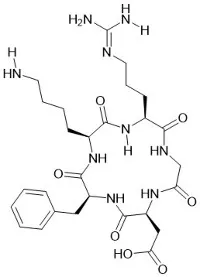
Peptides are short chains of amino acids, the building blocks of proteins. In the context of cosmetics, peptides can act as signaling molecules. They can communicate with skin cells (and in this case, scalp cells) to perform various functions. For example, some peptides can stimulate collagen production, while others can regulate the activity of certain enzymes or hormones.
The Scalp as a Target for Peptides
The scalp is an extension of our skin, and it has its own unique set of biological processes. Hair follicles, which are embedded in the scalp, go through a cycle of growth, regression, and rest. Many factors can disrupt this cycle, leading to hair loss, thinning, or poor hair quality. Cosmetic peptides have the potential to target these issues at a cellular level.
One of the key advantages of using peptides on the scalp is their ability to penetrate the skin. The scalp has a relatively thin stratum corneum (the outermost layer of the skin), which allows peptides to reach the deeper layers where hair follicles are located more easily compared to other areas of the body.
Specific Cosmetic Peptides for the Scalp
-
Myristoyl Pentapeptide - 17
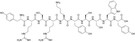
Myristoyl Pentapeptide - 17 is a promising peptide for scalp health. This peptide has been shown to have a positive impact on hair follicle function. It can stimulate the proliferation of dermal papilla cells, which are crucial for hair growth. Dermal papilla cells play a central role in regulating the hair growth cycle by communicating with hair follicle stem cells. By promoting the growth of these cells, [Myristoyl Pentapeptide - 17](/cosmetic - peptides/myristoyl - pentapeptide - 17.html) can potentially extend the anagen (growth) phase of the hair cycle and lead to thicker, healthier hair. -
Palmitoyl Hexapeptide - 14
Palmitoyl Hexapeptide - 14 is another peptide that can be beneficial for the scalp. It has been found to have anti - inflammatory properties. Inflammation on the scalp can be a major contributor to hair loss and other scalp issues. Conditions such as seborrheic dermatitis or psoriasis can cause inflammation, which in turn can disrupt the normal function of hair follicles. By reducing inflammation, [Palmitoyl Hexapeptide - 14](/cosmetic - peptides/palmitoyl - hexapeptide - 14.html) can create a more favorable environment for hair growth. Additionally, it may also help to improve the overall health and appearance of the scalp. -
Palmitoyl Sh - Tripeptide - 5 Norisoleucyl Sh - Nonapeptide - 1
This complex peptide combination has shown potential in promoting hair growth and preventing hair loss. It works by targeting multiple pathways involved in the hair growth cycle. For example, it can regulate the levels of certain hormones that affect hair follicle activity. Androgens, such as dihydrotestosterone (DHT), can shrink hair follicles and lead to hair thinning in some individuals. [Palmitoyl Sh - Tripeptide - 5 Norisoleucyl Sh - Nonapeptide - 1](/cosmetic - peptides/palmitoyl - sh - tripeptide - 5 - norisoleucyl - sh.html) may help to counteract the effects of DHT and support healthy hair growth.
Benefits of Using Cosmetic Peptides on the Scalp
- Promote Hair Growth: As mentioned earlier, peptides can stimulate the growth of dermal papilla cells and regulate the hair growth cycle. This can result in increased hair density and longer, thicker hair.
- Improve Scalp Health: Peptides with anti - inflammatory properties can reduce scalp irritation, redness, and itching. A healthy scalp provides a better foundation for hair growth.
- Enhance Hair Quality: By nourishing the hair follicles at a cellular level, peptides can improve the strength and resilience of the hair shaft. This can lead to less breakage and more manageable hair.
Considerations When Using Cosmetic Peptides on the Scalp
- Allergic Reactions: Although peptides are generally well - tolerated, some individuals may be allergic to certain peptides. It's always a good idea to perform a patch test on a small area of the scalp before using a peptide - based product extensively.
- Product Formulation: The effectiveness of peptides can depend on the formulation of the product. Peptides need to be stable and delivered in a way that allows them to reach the target cells. Look for products that are formulated with high - quality ingredients and have been tested for stability.
- Consistency: Results from using cosmetic peptides on the scalp may not be immediate. It usually takes time for the peptides to have a noticeable effect on hair growth and scalp health. Consistent use of peptide - containing products is key to achieving the desired results.
How to Incorporate Cosmetic Peptides into Your Scalp Care Routine
There are several ways to use cosmetic peptides on the scalp. You can look for hair serums, scalp treatments, or shampoos that contain peptides. When using a peptide - based product, follow the instructions on the label carefully. Generally, it's recommended to apply the product directly to the scalp and massage it in gently to ensure good absorption.
If you're considering formulating your own hair care products with peptides, as a cosmetic peptides supplier, I can offer you high - quality peptides and technical support. We have a wide range of peptides that have been carefully tested for purity and efficacy.
Conclusion
In conclusion, using cosmetic peptides on the scalp is a promising approach to hair care. Peptides such as Myristoyl Pentapeptide - 17, Palmitoyl Hexapeptide - 14, and Palmitoyl Sh - Tripeptide - 5 Norisoleucyl Sh - Nonapeptide - 1 have the potential to promote hair growth, improve scalp health, and enhance hair quality. However, it's important to be aware of the considerations and use the products consistently.


If you're interested in incorporating cosmetic peptides into your hair care products or have any questions about our peptide offerings, I encourage you to reach out for a procurement discussion. We're here to help you find the best peptide solutions for your specific needs.
References
- Alberts, B., Johnson, A., Lewis, J., Raff, M., Roberts, K., & Walter, P. (2002). Molecular Biology of the Cell. Garland Science.
- Bolognia, J. L., Jorizzo, J. L., & Rapini, R. P. (2012). Dermatology. Elsevier.
- Zouboulis, C. C., & Makrantonaki, E. (2011). Biology of the Hair Follicle in Health and Disease. Springer.