




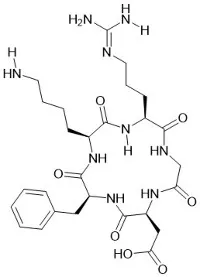
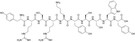
Cosmetic peptides have gained significant popularity in the beauty industry over the past few decades. These small chains of amino acids are known for their potential to improve skin health, reduce the appearance of wrinkles, and enhance overall skin quality. As a cosmetic peptides supplier, I've encountered numerous inquiries regarding the possible side - effects of these products. In this blog, I'll delve into the scientific aspects of cosmetic peptides and explore whether they pose any risks.
Understanding Cosmetic Peptides
Cosmetic peptides are short chains of amino acids, the building blocks of proteins. They are often used in skincare products because they can mimic the functions of natural proteins in the skin. For example, some peptides can stimulate collagen production, which is essential for maintaining skin elasticity and firmness. Others can block the signals that cause muscle contractions, thereby reducing the appearance of dynamic wrinkles.
One of the most well - known cosmetic peptides is Palmitoyl Hexapeptide - 14. This peptide has been shown to improve skin texture and reduce the depth of wrinkles. Another popular peptide is Acetyl Hexapeptide - 38, which is often used for its anti - aging properties. L - Carnosine is also a common ingredient in many skincare products, known for its antioxidant and anti - glycation effects.
Potential Side - Effects of Cosmetic Peptides
In general, cosmetic peptides are considered safe for most people. They are typically derived from natural sources and are designed to work in harmony with the body's natural processes. However, like any skincare ingredient, there is a possibility of side - effects, although they are relatively rare.
Allergic Reactions
Some individuals may be allergic to certain peptides. Allergic reactions can manifest as redness, itching, swelling, or a rash on the skin. These reactions are usually caused by an immune response to the peptide, which the body perceives as a foreign substance. It's important to note that true allergies to peptides are quite rare, but they can occur, especially in people with sensitive skin or a history of allergies.
To minimize the risk of an allergic reaction, it's advisable to perform a patch test before using a new peptide - containing product. Apply a small amount of the product to a small area of skin, such as the inner wrist or behind the ear, and wait 24 - 48 hours to see if any reaction occurs. If there is no sign of irritation, it's generally safe to use the product on the face.
Skin Irritation
In addition to allergic reactions, some people may experience skin irritation when using peptide - based products. This can be due to the concentration of the peptide, the formulation of the product, or individual skin sensitivity. Symptoms of skin irritation may include redness, dryness, flakiness, or a burning sensation.
The risk of skin irritation can be reduced by starting with a low - concentration peptide product and gradually increasing the strength as the skin becomes accustomed to it. It's also important to choose products that are formulated with high - quality ingredients and are free from harsh chemicals, fragrances, and preservatives.
Interactions with Other Skincare Products
Cosmetic peptides can interact with other skincare ingredients, which may lead to unexpected side - effects. For example, some peptides may be less effective when used in combination with certain acids or exfoliants. Additionally, the combination of multiple peptide products may increase the risk of skin irritation.
To avoid potential interactions, it's important to read the labels of all skincare products carefully and consult with a dermatologist or skincare professional if you're unsure about which products can be used together.
Scientific Evidence on the Safety of Cosmetic Peptides
Numerous scientific studies have been conducted to evaluate the safety and efficacy of cosmetic peptides. Overall, the results suggest that these peptides are generally safe and well - tolerated.
A study published in the Journal of Cosmetic Dermatology examined the safety and efficacy of a peptide - based anti - aging cream. The study found that the cream was well - tolerated by the majority of participants, with only a small percentage experiencing mild skin irritation. Another study in the International Journal of Cosmetic Science investigated the effects of a specific peptide on skin elasticity and found no significant adverse effects.
These studies, along with many others, provide evidence that cosmetic peptides can be used safely in skincare products. However, it's important to note that more research is needed to fully understand the long - term effects of these peptides, especially when used in high concentrations or over extended periods.
Factors Affecting the Side - Effects of Cosmetic Peptides
Several factors can influence the likelihood and severity of side - effects associated with cosmetic peptides.
Peptide Concentration
The concentration of the peptide in a product is a crucial factor. Higher concentrations of peptides may increase the risk of side - effects, such as skin irritation. Manufacturers need to carefully balance the concentration of peptides to ensure efficacy while minimizing the risk of adverse reactions.
Skin Type
Individual skin type plays a significant role in determining how a person's skin will react to cosmetic peptides. People with sensitive skin are more likely to experience side - effects, such as allergic reactions or skin irritation. On the other hand, individuals with normal or oily skin may tolerate peptide - based products better.
Product Quality
The quality of the product formulation is also important. Products that are poorly formulated or contain low - quality ingredients may increase the risk of side - effects. It's essential to choose products from reputable manufacturers who adhere to strict quality control standards.


Minimizing the Risk of Side - Effects
As a cosmetic peptides supplier, I understand the importance of ensuring the safety of our products. Here are some tips to minimize the risk of side - effects when using cosmetic peptides:
- Patch Test: Always perform a patch test before using a new peptide - containing product.
- Start with Low Concentrations: Begin with products that have a low concentration of peptides and gradually increase the strength as your skin adjusts.
- Choose High - Quality Products: Opt for products from reputable manufacturers that use high - quality ingredients and have undergone rigorous testing.
- Follow Usage Instructions: Read and follow the usage instructions provided with the product carefully.
Conclusion
In conclusion, cosmetic peptides are generally safe and effective ingredients in skincare products. While there is a possibility of side - effects, such as allergic reactions, skin irritation, and interactions with other products, these are relatively rare. By following the tips mentioned above and choosing high - quality products, consumers can enjoy the benefits of cosmetic peptides with minimal risk.
If you're interested in incorporating cosmetic peptides into your skincare products or have any questions about our peptide offerings, I encourage you to contact us for more information and to discuss potential procurement opportunities. We're committed to providing high - quality cosmetic peptides and excellent customer service.
References
- Journal of Cosmetic Dermatology, various issues
- International Journal of Cosmetic Science, various issues