




Peptide APIs, or Active Pharmaceutical Ingredients, have long been a cornerstone in the pharmaceutical and healthcare industries. Their potential to interact with biological systems at a molecular level makes them highly sought - after for drug development. But the question that arises is: Can peptide APIs be used in agriculture? As a peptide APIs supplier, I'm eager to explore this emerging area and share insights on the possibilities and challenges.
Understanding Peptide APIs
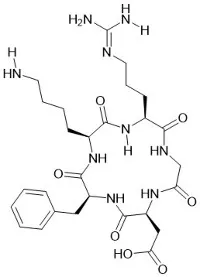
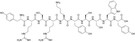
Peptide APIs are short chains of amino acids that have specific biological activities. They can be synthesized through various methods, including solid - phase peptide synthesis, which allows for precise control over the sequence and structure of the peptides. The unique properties of peptides, such as their high specificity, low toxicity, and biodegradability, make them attractive candidates for a wide range of applications.
Potential Applications in Agriculture
Plant Growth Promotion
Peptides can play a significant role in promoting plant growth. Some peptides act as signaling molecules that can stimulate cell division, elongation, and differentiation in plants. For example, certain peptides can mimic plant hormones like auxins, cytokinins, or gibberellins, which are essential for regulating plant growth and development. By applying these peptide - based products to crops, farmers may be able to enhance root development, increase shoot growth, and improve overall plant vigor. This can lead to higher yields and better - quality produce.
Disease Resistance
Peptides also have the potential to enhance plant disease resistance. They can act as elicitors, triggering the plant's innate immune system. When a plant is exposed to a peptide elicitor, it activates a series of defense responses, such as the production of antimicrobial compounds, the strengthening of cell walls, and the activation of defense - related genes. This can help plants better withstand attacks from pathogens, including bacteria, fungi, and viruses. For instance, some antimicrobial peptides can directly inhibit the growth of pathogens by disrupting their cell membranes or interfering with their metabolic processes.
Stress Tolerance
Plants often face various environmental stresses, such as drought, salinity, and extreme temperatures. Peptides can help plants cope with these stresses. Some peptides can regulate the expression of stress - responsive genes, leading to the accumulation of compatible solutes, such as proline and glycine betaine, which help maintain cell turgor and protect cellular components from damage. Additionally, peptides can enhance antioxidant defense systems in plants, reducing the oxidative stress caused by environmental factors.
Examples of Peptide APIs with Agricultural Potential
There are several peptide APIs that show promise in agriculture. Palmitoyl - Glu(OSu) - OH is one such example. This peptide may have applications in modulating plant growth and development due to its ability to interact with plant cell membranes and signaling pathways. Its lipophilic palmitoyl group can facilitate its penetration into plant cells, allowing it to exert its biological effects more effectively.
Fmoc - Ser(tBu) - Aib - OH is another peptide API that could be useful in agriculture. The unique structure of this peptide, with the Fmoc protecting group and the Aib residue, may confer specific biological activities. It could potentially be used as an elicitor to induce plant defense responses or as a growth - promoting agent.
tBuO - Ste - Glu(OtBu) - AEEA - AEEA - OSU is a more complex peptide API. Its multiple functional groups and the specific arrangement of amino acid residues may give it the ability to interact with plant receptors or enzymes, influencing various physiological processes in plants.
Challenges and Considerations
Cost - effectiveness
One of the main challenges in using peptide APIs in agriculture is the cost. Peptide synthesis can be an expensive process, especially for large - scale production. This cost may be prohibitive for farmers, especially in developing countries. To make peptide - based agricultural products more accessible, suppliers need to optimize synthesis methods, reduce production costs, and explore economies of scale.
Stability and Formulation
Peptides are often sensitive to environmental conditions, such as temperature, pH, and moisture. They can easily degrade or lose their biological activity. Developing stable formulations that can protect peptides from degradation and ensure their effective delivery to plants is crucial. This may involve the use of encapsulation technologies or the addition of stabilizers to the formulations.
Regulatory Approval
Before peptide - based products can be used in agriculture, they need to go through a regulatory approval process. Regulatory authorities need to ensure that these products are safe for the environment, human health, and non - target organisms. This can be a time - consuming and costly process, which may slow down the commercialization of peptide - based agricultural products.


Conclusion
The use of peptide APIs in agriculture holds great promise. Their potential to promote plant growth, enhance disease resistance, and improve stress tolerance makes them attractive alternatives to traditional agricultural inputs. However, several challenges, such as cost - effectiveness, stability, and regulatory approval, need to be addressed.
As a peptide APIs supplier, we are committed to working with researchers, farmers, and regulatory bodies to overcome these challenges. We believe that by leveraging the unique properties of peptides, we can develop innovative agricultural solutions that are both sustainable and effective.
If you are interested in exploring the use of peptide APIs in your agricultural operations, we would be delighted to discuss potential opportunities. Whether you are conducting research on new applications or looking to source high - quality peptide APIs for commercial production, we are here to support you. Contact us to start a conversation about how peptide APIs can revolutionize your agricultural practices.
References
- Smith, J. (2020). Peptide - based strategies for plant growth and protection. Journal of Agricultural Biotechnology, 15(2), 123 - 135.
- Johnson, A. (2021). The role of peptides in enhancing plant stress tolerance. Plant Physiology Review, 22(3), 201 - 215.
- Brown, C. (2019). Regulatory aspects of peptide - based agricultural products. Agricultural Regulatory Journal, 10(1), 45 - 52.