




Tissue engineering is an interdisciplinary field that combines the principles of engineering and life sciences to develop biological substitutes that can restore, maintain, or improve tissue function. Peptide substrates, short chains of amino acids, have emerged as promising candidates in tissue engineering research due to their unique biological and chemical properties. As a peptide substrates supplier, I have witnessed the growing interest in these molecules and their potential applications in tissue engineering. In this blog, I will explore whether peptide substrates can be used in tissue engineering research, highlighting their advantages, limitations, and current applications.
Advantages of Peptide Substrates in Tissue Engineering
Biocompatibility
One of the primary advantages of peptide substrates is their excellent biocompatibility. Peptides are naturally occurring molecules that are easily recognized and metabolized by cells. They can interact with cell surface receptors, promoting cell adhesion, proliferation, and differentiation. This biocompatibility reduces the risk of immune rejection and inflammation, making peptide substrates ideal for use in tissue engineering applications.
Bioactivity
Peptide substrates can be designed to mimic the extracellular matrix (ECM), a complex network of proteins and carbohydrates that provides structural and biochemical support to cells. By incorporating specific amino acid sequences, peptides can mimic the bioactive domains of ECM proteins, such as fibronectin, laminin, and collagen. These bioactive peptides can stimulate cell behavior, including cell migration, angiogenesis, and tissue regeneration.
Customizability
Peptide substrates offer a high degree of customizability. The amino acid sequence of a peptide can be easily modified to achieve specific biological functions. For example, peptides can be designed to have specific binding affinities for cell surface receptors or to release bioactive molecules in a controlled manner. This customizability allows researchers to tailor peptide substrates to the specific requirements of different tissue engineering applications.
Low Immunogenicity
Compared to larger proteins and polymers, peptide substrates generally have low immunogenicity. This means that they are less likely to trigger an immune response when implanted in the body. Low immunogenicity is crucial for tissue engineering applications, as it reduces the risk of implant rejection and allows for long-term tissue integration.
Limitations of Peptide Substrates in Tissue Engineering
Stability
One of the main limitations of peptide substrates is their relatively low stability. Peptides are susceptible to enzymatic degradation and can be rapidly cleared from the body. This limited stability can reduce the effectiveness of peptide substrates in tissue engineering applications, as they may not be able to maintain their bioactivity for a sufficient period of time.
Cost
The synthesis of peptide substrates can be expensive, especially for large-scale production. The cost of peptide synthesis is influenced by factors such as the length of the peptide, the complexity of the amino acid sequence, and the purity requirements. This high cost can limit the widespread use of peptide substrates in tissue engineering research and clinical applications.
Scale-up
Scaling up the production of peptide substrates can be challenging. Peptide synthesis typically involves complex chemical reactions that require specialized equipment and expertise. Ensuring consistent quality and purity during large-scale production can be difficult, which can limit the availability of peptide substrates for tissue engineering applications.
Current Applications of Peptide Substrates in Tissue Engineering
Cell Adhesion and Migration
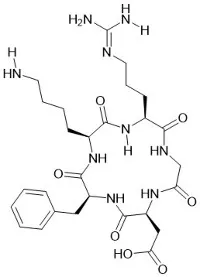
Peptide substrates can be used to promote cell adhesion and migration in tissue engineering scaffolds. For example, peptides containing the arginine-glycine-aspartic acid (RGD) sequence, which is found in many ECM proteins, can enhance cell adhesion to synthetic scaffolds. These RGD peptides can be incorporated into the surface of scaffolds or used as coatings to improve cell attachment and spreading.
Angiogenesis
Angiogenesis, the formation of new blood vessels, is essential for tissue regeneration. Peptide substrates can be designed to stimulate angiogenesis by mimicking the bioactive domains of angiogenic factors, such as vascular endothelial growth factor (VEGF). For example, peptides containing the VEGF-binding domain can promote the migration and proliferation of endothelial cells, leading to the formation of new blood vessels.
Tissue Regeneration
Peptide substrates have shown promise in promoting tissue regeneration in various organs and tissues. For example, in bone tissue engineering, peptides can be used to enhance the differentiation of mesenchymal stem cells into osteoblasts, the cells responsible for bone formation. In neural tissue engineering, peptides can be used to promote the growth and guidance of neurons, facilitating nerve regeneration.
Drug Delivery
Peptide substrates can also be used as drug delivery systems in tissue engineering. Peptides can be designed to encapsulate drugs or bioactive molecules and release them in a controlled manner. This controlled release can improve the efficacy of drugs and reduce their side effects. For example, Calpain Inhibitor VI, Z-Val-Phe-CHO, and Z-LLY-FMK are peptide-based inhibitors that can be used to target specific enzymes involved in tissue damage and inflammation. These inhibitors can be incorporated into peptide substrates and delivered to the site of injury to promote tissue repair.
Conclusion
In conclusion, peptide substrates have significant potential in tissue engineering research. Their biocompatibility, bioactivity, customizability, and low immunogenicity make them attractive candidates for a wide range of tissue engineering applications. However, their limitations, such as stability, cost, and scale-up challenges, need to be addressed to fully realize their potential. With ongoing research and technological advancements, peptide substrates are likely to play an increasingly important role in the development of novel tissue engineering strategies.
If you are interested in exploring the use of peptide substrates in your tissue engineering research, I encourage you to contact us for more information. Our team of experts can provide you with high-quality peptide substrates and technical support to help you achieve your research goals. We look forward to discussing your specific requirements and collaborating with you on your next project.


References
- Lutolf, M. P., & Hubbell, J. A. (2005). Synthetic biomaterials as instructive extracellular microenvironments for morphogenesis in tissue engineering. Nature biotechnology, 23(1), 47-55.
- Zhang, S. (2003). Fabrication of novel biomaterials through molecular self-assembly. Nature biotechnology, 21(10), 1171-1178.
- Mooney, D. J., & Vandenburgh, H. H. (2008). Tissue engineering: the next generation. Genes & development, 22(24), 3265-3283.
- Langer, R., & Vacanti, J. P. (1993). Tissue engineering. Science, 260(5110), 920-926.